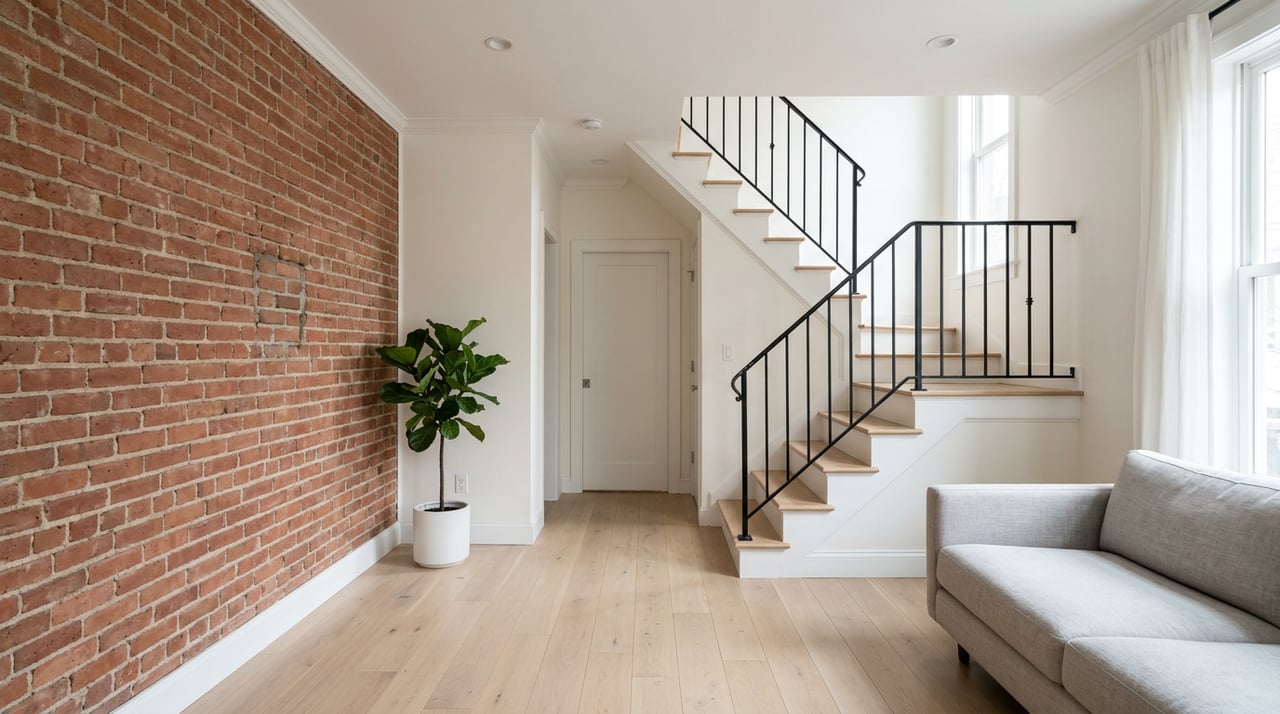
Dreaming of a walk-to-everything home near the Italian Market but unsure how condos and townhomes work in this part of South Philly? You are not alone. Bella Vista is charming and convenient, yet it comes with tradeoffs like stairs, compact rooms, and limited parking. In this guide, you will learn what is on the market, what homes typically cost, how Pennsylvania’s condo rules protect you, and how to plan your financing and parking. Let’s dive in.
Why Bella Vista draws condo and townhome buyers
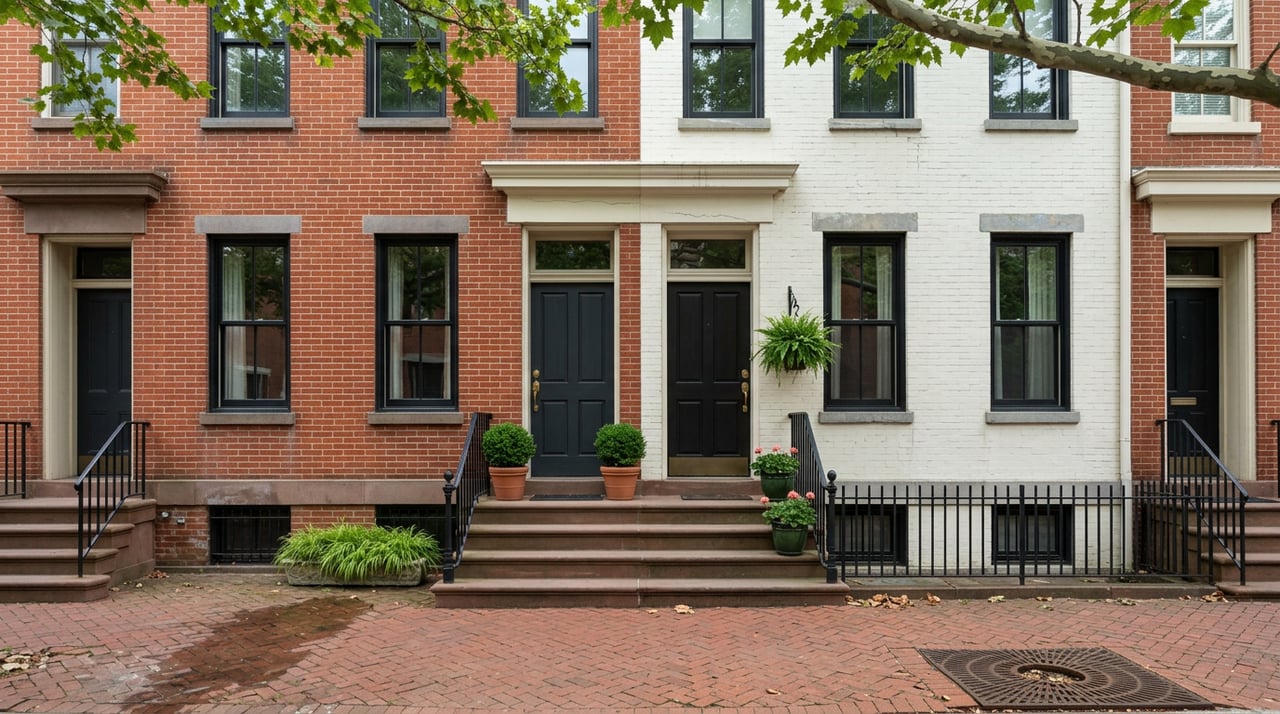
Bella Vista sits between South Street and Washington Avenue, and 6th to 11th Streets. It centers on the 9th Street Italian Market and a network of local shops and eateries. The area mixes historic brick rowhouses with pockets of modern infill, which is part of its appeal. You can confirm boundaries and civic resources through the active Bella Vista Neighbors Association, the local registered community organization that tracks land use and neighborhood updates. Visit the association’s overview to learn more about local context and meetings at the Bella Vista Neighbors Association.
You will find a strong walking lifestyle here. One neighborhood guide reports Walk Score values in the high 90s, which is why many buyers accept smaller footprints or fewer on-site parking options. Transit access to Center City and the rest of South Philadelphia is straightforward. If you want daily errands, dining, and groceries close by, Bella Vista fits.
What you will see on the market
Trinities and classic row-style living
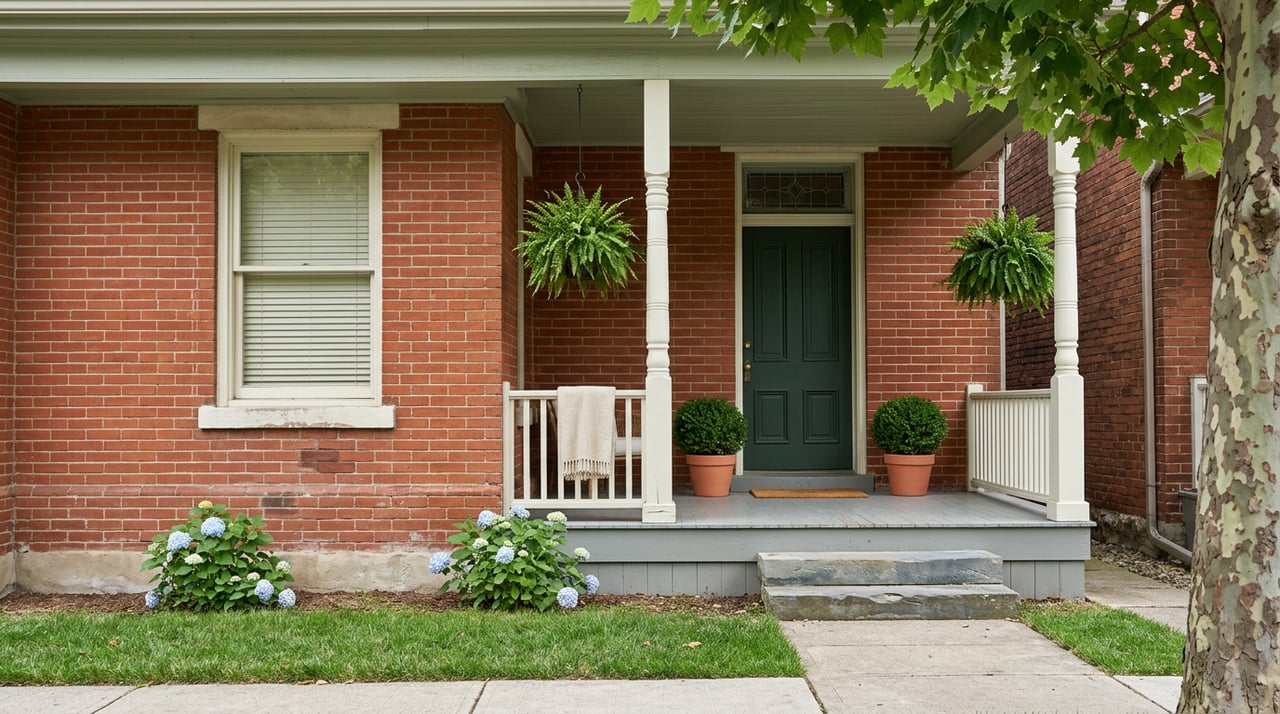
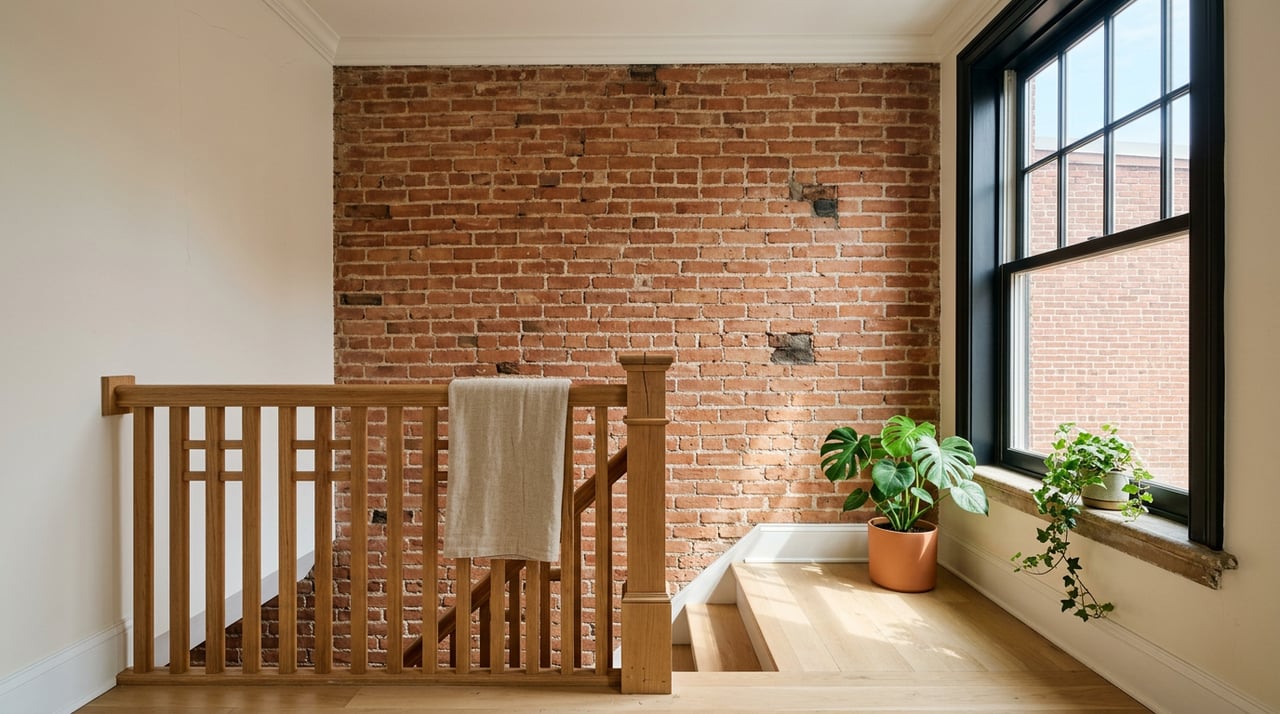
Classic South Philadelphia trinities are common across Bella Vista. These are narrow three-level homes where each floor is generally one room, which creates compact, vertical living. Many have been updated with roof decks or reworked stairs and kitchens, and some include small patios or yards. For entry-level buyers, a renovated trinity can be an attractive footprint if you are comfortable with stairs and smaller rooms.
Condo conversions and small multi-unit buildings
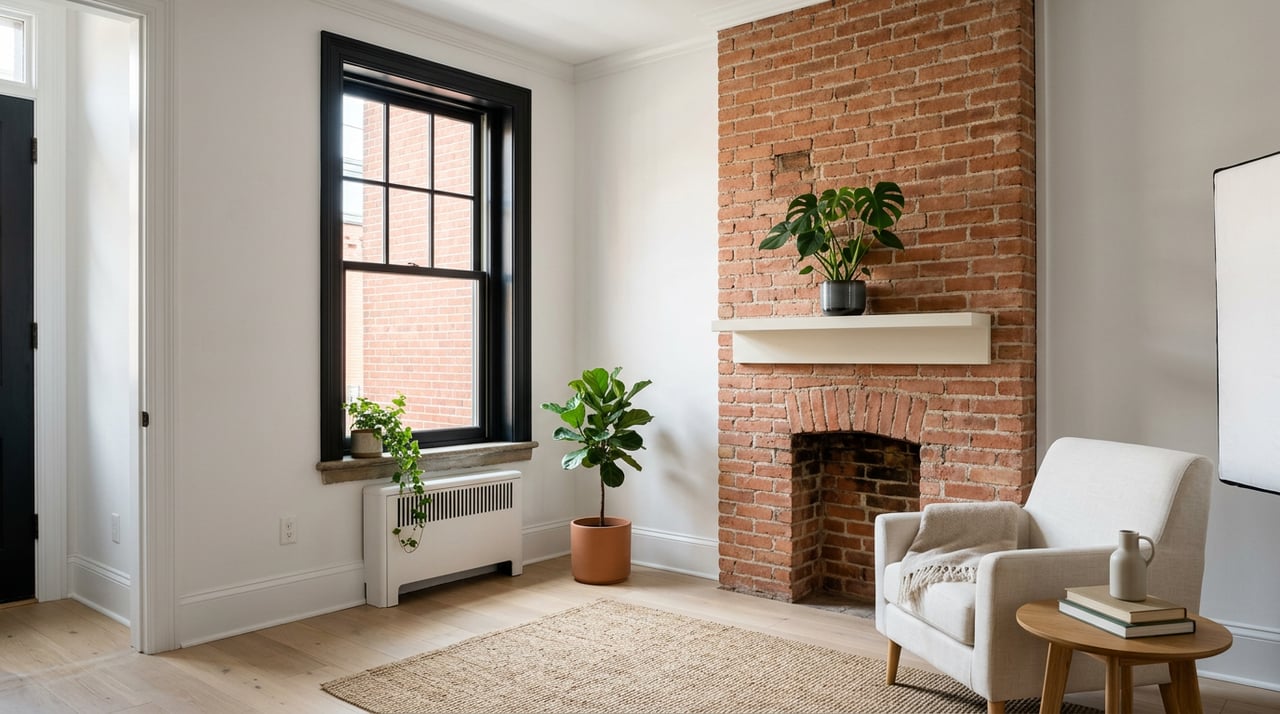
Many condos are conversions of older rowhouses or small brick apartment buildings. You will see 1 to 3 bedroom units, including bi-level layouts that split living and sleeping spaces across floors. Interior finishes range widely based on the timing and quality of past renovations. In smaller associations, it pays to understand the budget, reserve fund, and any building projects on the horizon, since costs are shared across a small group of owners.
Newer townhomes and modern infill
You will also find newer townhomes dotted across certain blocks. These are typically three or more stories and sometimes include assigned off-street parking or a small garage. They are less common than classic rowhouses yet can offer modern systems, open kitchens, and roof decks. If you need parking or a newer build, target these pockets in your search.
Current prices in Bella Vista
Bella Vista is a small, active neighborhood where monthly sales counts can be low, so a few transactions can move the numbers. Multiple data providers paint a similar picture as of early 2026:
- Redfin (January 2026) reports a median sale price around 501,000 dollars. Their page also shows fewer closed sales and days on market in the multiple-week range in recent months.
- Zillow’s Home Value Index (ZHVI) as of January 31, 2026 sits near 512,800 dollars with a modest year-over-year rise. ZHVI is a modeled index, not the median of closed sales.
- Realtor.com has shown medians in the high 500,000s for some reporting months. Listing medians often differ from closed-sale medians because of timing and sample size.
Taken together, median values cluster near 500,000 dollars as of January 2026, with wide variation by building, size, finish level, and parking. In a small-sample market like Bella Vista, unit-level comps and building history matter as much as neighborhood medians. Ask your agent for a current comparative market analysis before you write an offer.
HOA and legal must-knows in Pennsylvania
The resale certificate rule
Pennsylvania’s Uniform Condominium Act gives you important protections. Before you go under contract or complete a purchase, the seller must furnish key association documents and a resale certificate that states the monthly assessment, any unpaid assessments, and other required disclosures. The association must provide these within 10 days after request. If the certificate is not delivered within the statutory timeframe, buyers may have limited rights to cancel as set out in the law. You can read the statute in Title 68 at the Pennsylvania General Assembly site. Request the resale certificate early and do not skip this review.
What to review in your packet
Ask for and review the full set of documents. Focus on:
- Declaration, bylaws, and rules. Understand use restrictions, pet rules, noise policies, and any transfer or move-in fees.
- Current budget, recent financials, reserve balance, and the latest reserve study. Low reserves or recent dues spikes are signals to dig deeper.
- Board meeting minutes from the last 12 to 24 months. Look for repeated repair issues, vendor changes, or votes about special assessments.
- Resale certificate contents. Confirm monthly dues, unpaid balances, special-assessment history, and any planned assessments that could affect you.
- Master insurance declarations and the deductible. Verify what the association covers and what your HO‑6 policy must cover for interior items and liability.
- Any pending litigation or mechanic’s liens. These can trigger assessments and complicate financing.
Typical monthly dues in Philadelphia
Association fees vary widely by building age and amenities. In Philadelphia, monthly dues can range from about 100 dollars in small associations to 700 or 800 dollars in larger elevator buildings with more services. Always confirm what your dues include, such as water, gas or heat, trash, common-area electricity, common insurance, and whether parking or storage is bundled. Keep in mind that insurance costs and capital needs have pushed dues higher in recent years, so budget for them as a meaningful part of your monthly payment.
Will your loan work in this building?
Some loan programs require building-level approvals or extra paperwork. If you plan to use FHA or VA financing, confirm early whether the condo project is approved or whether your lender can obtain a single-unit or spot approval. Lenders may also ask the association to complete a questionnaire about insurance, reserves, and owner‑occupancy ratios. You can learn more about FHA condo guidelines at the HUD Single-Family partners page. If you are using conventional financing, your lender may still review project details before issuing a final approval.
Parking and getting around
On-street parking exists, but it can be tight during peak hours. Many residents use walking and transit for daily life, which is part of the appeal. If you expect to rely on street parking, verify your block’s residential permit rules and timing through the Philadelphia Parking Authority. Visit the property at the times you would normally arrive home to see how parking actually feels.
Some newer townhomes and select condos include assigned off-street parking or small garages. Listings will state this clearly. If parking is essential, filter your search for properties with assigned or deeded spaces and confirm the details in the resale packet and deed. Roof decks and patios are common, so outdoor space may be easier to find than a private spot.
Your pre-offer checklist
- Get pre-approved and confirm your loan type. If using FHA or VA, check project approval options early.
- Request the resale packet and resale certificate immediately after serious interest. Pennsylvania law gives a strict 10-day timeline for associations to respond.
- Have an attorney or an experienced condo buyer’s agent review the declaration, bylaws, and resale certificate. Look for transfer fees, leasing rules, and limits on renovations.
- Review financials, the reserve study, and recent minutes. If reserves are thin or projects are planned, ask for timing, scope, and any expected assessments.
- Schedule a detailed home inspection. In multi-unit buildings, consider a building-level review of the roof, facade, balconies, sprinklers, and elevator if applicable.
- Confirm parking details, any guest parking, and city permit rules. Test your commute or daily routes at realistic times before you commit.
Smart questions to ask
To the seller or listing agent
- What is the expected turnaround for the resale certificate, and who pays the estoppel or resale fee?
- Are any special assessments pending or planned in the next 12 to 24 months for this unit or the association?
- Which utilities and services are included in the monthly association fee?
To the association or property manager
- Please provide the last 2 to 3 years of budgets and financial statements, the current reserve balance, and the latest reserve study.
- Is the building or association in any form of litigation, and what is the expected financial impact?
- What is the current owner‑occupancy rate, and are there any rental caps or short‑term rental policies?
- Is the project FHA or VA approved, if relevant, and can you share any recently completed lender questionnaires?
Red flags to watch
- Repeated large special assessments or sharp recent dues increases without a long-term plan.
- Low or no reserves for an older building, or a reserve study that shows a major funding gap.
- High delinquency rates where many owners are behind on dues.
- Ongoing litigation or unresolved building-envelope or systems issues.
- A building that does not meet FHA or VA requirements when your financing depends on it.
Next steps
Bella Vista offers a rare mix of historic character, daily convenience, and a true neighborhood feel. If you value a walkable lifestyle and can plan around stairs and parking, a condo or townhome here can be a great fit. The key is to pair smart due diligence with current, building-specific comps so you buy with confidence.
If you would like a focused search, a pricing brief on a unit, or help reading HOA documents, connect with Frank Genzano for a local, data-informed consultation.
FAQs
What is a “trinity” house in Bella Vista?
- A trinity is a narrow, three-story rowhome where each floor is roughly one room, which creates compact, vertical living that often includes steep stairs and smaller rooms.
How much are HOA fees for Bella Vista condos?
- Fees vary widely across Philadelphia, from around 100 dollars in small associations to 700 or 800 dollars in larger amenity buildings, so confirm what dues include for your unit.
Can I use FHA or VA to buy a Bella Vista condo?
- Often yes, but the condo project may need FHA or VA approval, or a lender may seek a single-unit approval, so check status early with your lender and the association.
How competitive is the Bella Vista condo market right now?
- As of January 2026, medians cluster near 500,000 dollars with days on market in the multiple-week range, but small monthly sales counts mean unit-level comps drive pricing.
Where can I park if my condo has no dedicated spot?
- Most residents rely on on-street parking with residential permits and the neighborhood’s strong walkability, so verify block rules and test parking at your typical arrival times.