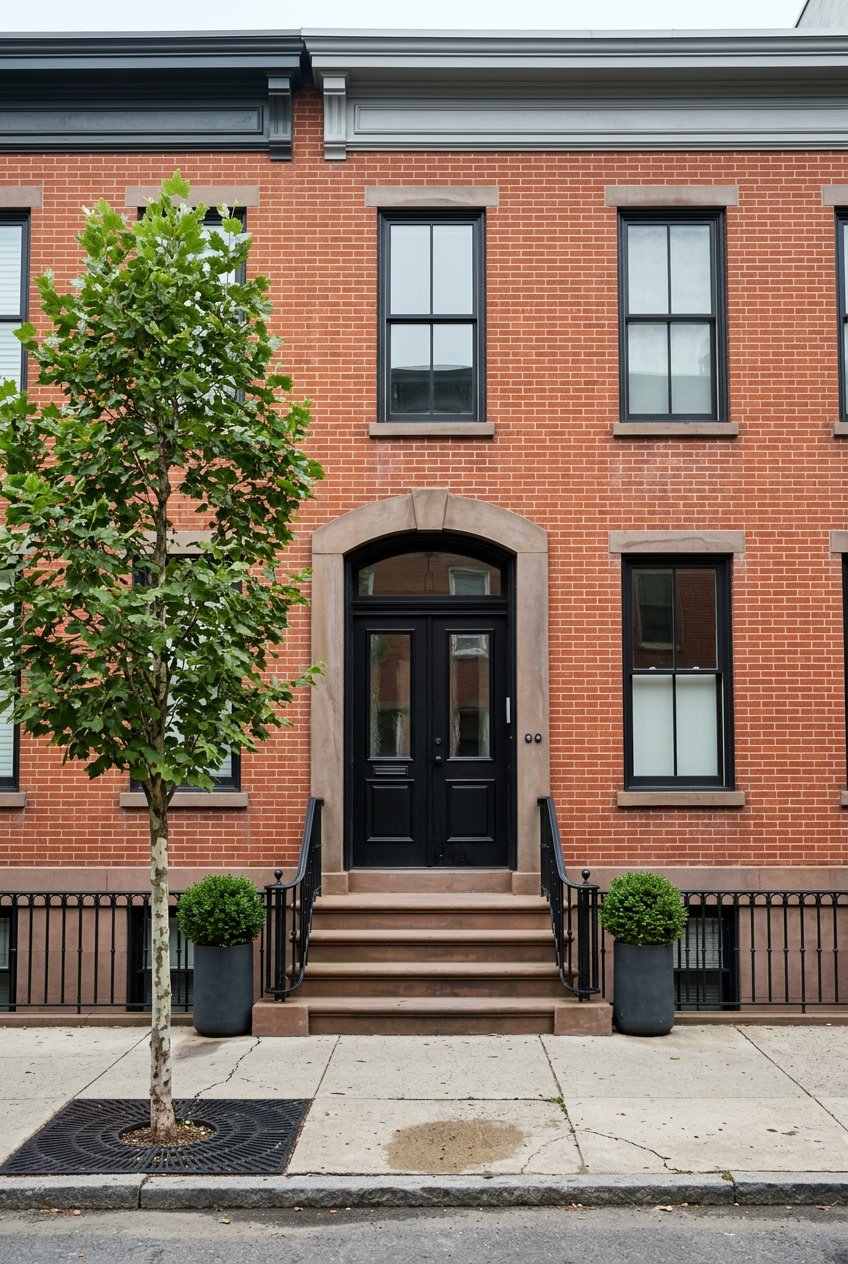
Thinking about buying a duplex or triplex in Graduate Hospital? You are not alone. Investors and house hackers are drawn to this Center City–adjacent pocket for its steady renter pool, strong walkability, and well-kept brick rowhomes. In this guide, you will get a clear, numbers-first look at rents, cap rates, financing options, licensing must-haves, and an easy action plan for next steps. Let’s dive in.
Graduate Hospital at a glance
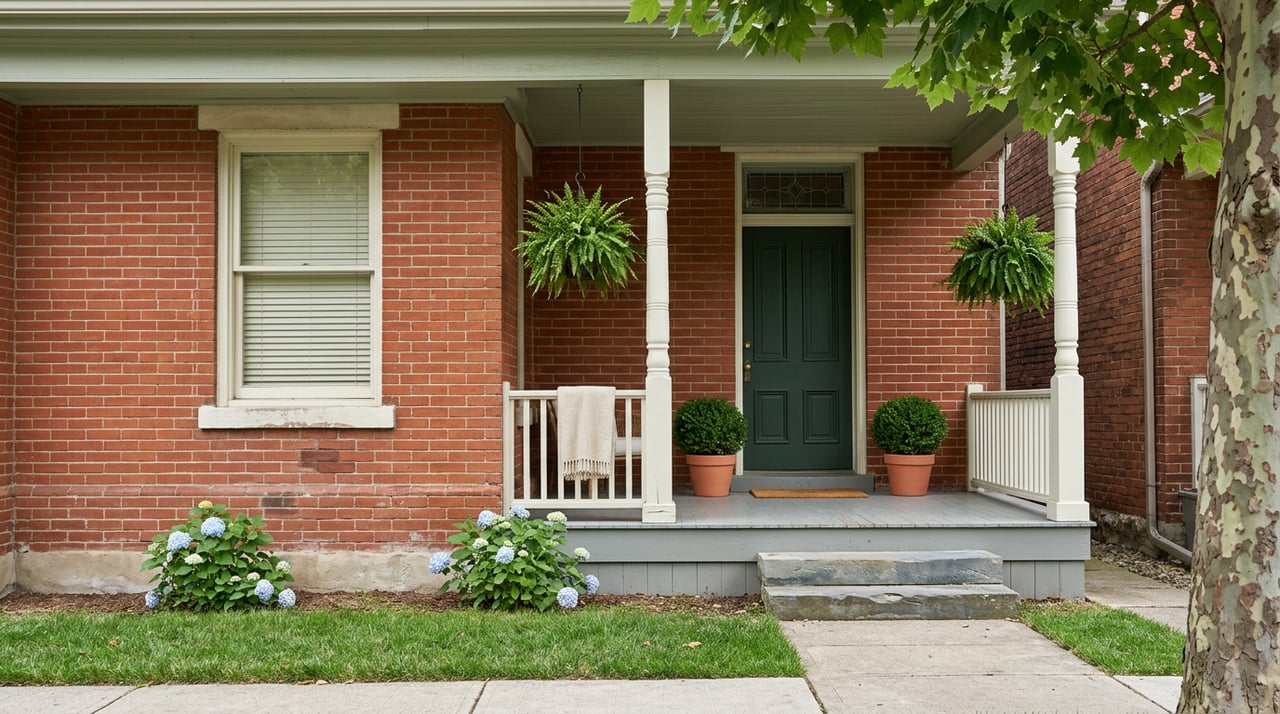
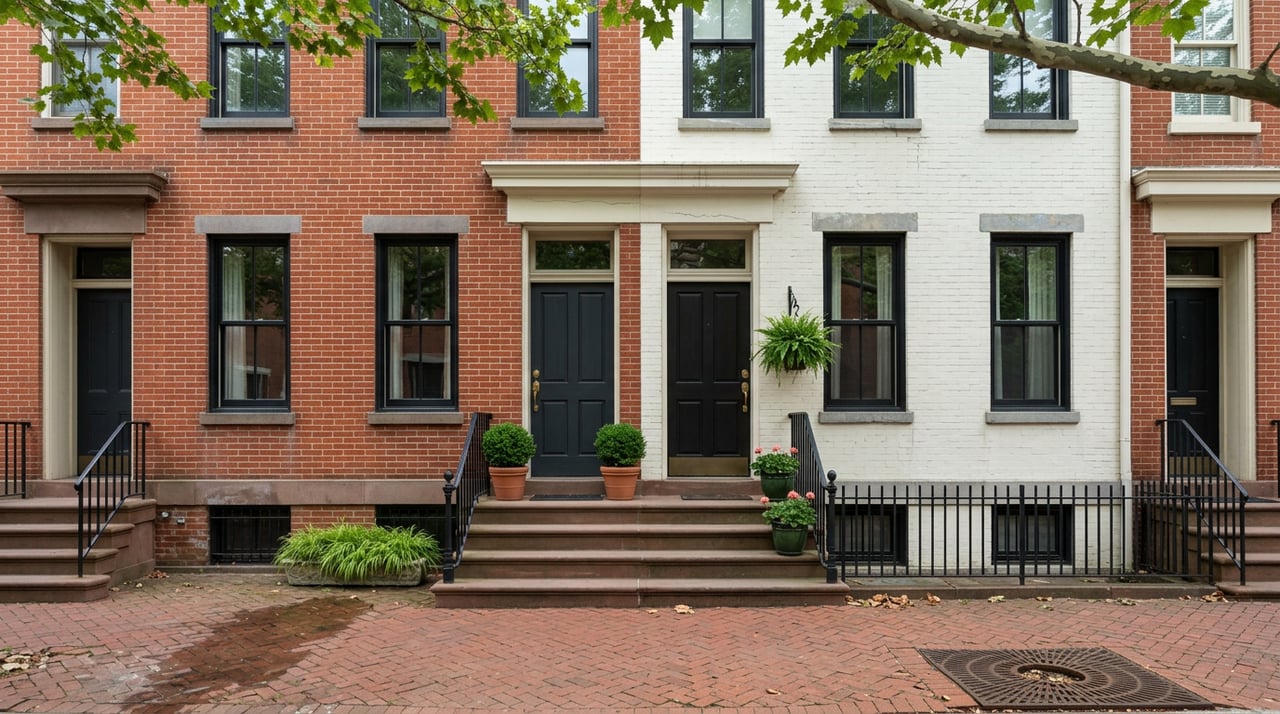
Graduate Hospital sits between Center City and University City, with dense streets, classic rowhomes, and newer infill. It is a higher-price neighborhood by Philadelphia standards, and many small multi-unit buildings are well located for both work and lifestyle. That combination attracts local professionals and owner-occupant buyers who plan to live in one unit and rent the others.
Why renter demand is steady here
Graduate Hospital benefits from large, nearby employers and easy access to Center City and University City. Penn Medicine reports nearly 49,000 faculty and staff across its system, and Children’s Hospital of Philadelphia is another major employer nearby. That employee base includes clinicians, residents, researchers, allied health, and administrative staff who often rent close to work. This creates a recurring tenant pool for well-kept 1 to 3 bedroom units.
- Employer demand signal: See Penn Medicine’s published system-wide staffing for context in your rent-up assumptions using their content guidelines page. Penn Medicine employment context
Rents and unit mix to underwrite
If you are modeling a duplex or triplex in ZIP 19146, neighborhood summaries show typical market rents that can help you start a pro forma. Zip-level rental evidence points to a median or average around $2,000 to $2,300 per unit, with many leases clustering in the $1,501 to $2,000 band. One-bedrooms often land near $1,600 and two-bedrooms around $2,100 in median estimates. Always verify with a current rent roll or recent comps on the exact block.
- Quick rent reference: 19146 rent estimates and bands
Cap rates and pricing expectations
Analysts place larger, institutional-quality multifamily deals in greater Philadelphia in the mid-4% to mid-6% cap range. Smaller 2 to 4 unit assets in prime, infill neighborhoods like Graduate Hospital typically trade at somewhat higher caps because they attract local buyers and owner-occupants. A realistic working range for small properties here is often about 5% to 8%, depending on condition, tenant stability, and location on the block.
- Market context: Philadelphia multifamily cap-rate insights
What that means for you: a renovated, lease-stable duplex can price closer to the lower end of that range, while a dated, value-add property may need a higher cap to reflect the added work and risk. Because many duplexes and triplexes trade quietly or off-market, you should plan on a Bright MLS sold-comp pull to see true, recent pricing for legal 2 to 4 unit properties in 19146.
Simple back-of-envelope example
Use this as a quick illustration, not a guarantee. Say you are evaluating a duplex with two 2-bedroom units. If market rent is $2,100 per unit per month, gross annual rent is $50,400. If you subtract 30% to 35% for taxes, insurance, utilities, repairs, management, and vacancy, projected NOI might land around $32,000 to $35,000.
- At a 6% cap, that NOI implies a price in the $533,000 to $583,000 range.
- At a 5% cap, the same income implies about $640,000.
This shows how a small change in cap rate or rent can move price by six figures. Validate rents with active and recent leases near your target block and confirm expenses with real quotes.
Owner-occupant financing advantages
If you plan to live in one unit, recent updates have made 2 to 4 unit purchases more accessible.
- Conventional: Industry reporting shows Fannie Mae now allows as little as 5% down for many owner-occupied 2 to 4 unit purchases. Always confirm current rules and overlays with your lender. Owner-occupied 2–4 unit, 5% down overview
- FHA: FHA allows owner-occupied 2 to 4 unit purchases with 3.5% down, subject to credit and reserve rules. For 3 to 4 units, the self-sufficiency test may apply. FHA 2–4 unit basics
Pure investors usually face higher down payments and tighter reserve needs. Talk with a lender who regularly underwrites small multifamily so your pre-approval aligns with your target property and rent assumptions.
Licensing and compliance in Philadelphia
To protect your cash flow and avoid delays, plan licensing steps early. Philadelphia requires several items when you rent out a unit.
- Rental License. One rental license can cover all units in a single building. Ownership structure, tax standing, and code compliance all matter. Owner-occupied buildings up to three units have different activity-license rules than non-owner-occupied buildings. How to get a Rental License
- Lead Certification. For properties built before 1978, you must have a valid lead-safe or lead-free certification before executing or renewing a lease, and it can be required to issue or renew the rental license. Lead certification rules
- Certificate of Rental Suitability. This certificate documents habitability and safety and must be provided to tenants when a lease is signed. Certificate of Rental Suitability
If you are considering conversions, basement apartments, or changing unit count, confirm legal use and zoning early. Request prior rental licenses, certificates, and proof of legal occupancy as part of due diligence.
Taxes, expenses, and your NOI
City carrying costs can shift your cap rate quickly. Philadelphia’s real estate tax rate is 1.3998% of assessed value. Plan for potential supplemental assessments after major improvements. Insurance, utilities, maintenance, and management add up, so a 30% to 35% operating-expense placeholder is a practical first pass until you collect real quotes.
- City tax details: Philadelphia real estate tax basics
Walkability, transit, and livability
Graduate Hospital is highly walkable, near grocery options, parks, and the Schuylkill River Trail. The Broad Street Line and multiple bus routes are within a short walk for many addresses, which helps both leasing and retention. For many renters, the ability to walk or bike to Center City or University City is a key reason to pick this neighborhood.
Risks to watch and where the upside lives
- Market opacity. Many duplex and triplex deals trade off-market. Your best read of price per unit and cap rate will come from a targeted Bright MLS sold-comp pull filtered to legal 2 to 4 unit properties in 19146.
- Renovation surprises. Rowhomes can hide old systems, roof issues, and electrical or plumbing that need upgrades. Build a contingency into your budget and get multiple local bids.
- Policy shifts. Philadelphia does not have rent control as of early 2026, but fees, inspections, or transfer tax changes can affect your numbers. Stay current on city policy. Pennsylvania rent law context
Where the upside lives: consistent demand from medical and university staff, strong walkability, and owner-occupant financing options that can reduce cash needed to close. If you house hack a well-located duplex, the second unit’s rent can offset a large share of your mortgage while you build equity.
Your action plan for Graduate Hospital
- Pull small-multifamily comps. Ask for a Bright MLS report with a 12 to 24 month lookback, filtered to legal 2 to 4 unit properties in 19146. Review price per unit, in-place rents, renovation level, and days on market.
- Build a conservative pro forma. Use neighborhood rent evidence for 1 and 2 bedroom units, plug in a 30% to 35% expense load as a starting point, and test at 5%, 6%, and 7% cap rates to see price sensitivity.
- Confirm licensing and lead status early. Order the Rental License, lead certification, and Certificate of Rental Suitability as needed to avoid delays at lease signing.
- Talk to a lender who does 2 to 4 units. Ask about Fannie 5% down and FHA 3.5% down if you plan to live in one unit, and verify reserves and the self-sufficiency test for 3 to 4 units.
- Scope the work. Get at least three local contractor bids for any value-add. Include a contingency and time for permits if you plan to alter layouts or add legal units.
Ready to run numbers on a specific duplex or triplex in Graduate Hospital? Get a hyper-local comp pull and a straight, practical plan for your next move. Reach out to Frank Genzano for a no-pressure consult.
FAQs
What cap rate should I expect for a Graduate Hospital duplex?
- Small 2 to 4 unit properties in prime infill areas like Graduate Hospital often underwrite in the 5% to 8% range, depending on condition, tenant stability, and exact location.
What are typical rents for 1 and 2 bedroom units in ZIP 19146?
- Zip-level summaries show many rents in the $1,501 to $2,000 band, with median estimates around $1,600 for 1-bedrooms and $2,100 for 2-bedrooms; verify with current comps.
Which licenses do I need to rent out a duplex in Philadelphia?
- Plan for a Rental License, a Certificate of Rental Suitability, and a lead-safe or lead-free certification for pre-1978 properties before signing new or renewed leases.
Are there low-down-payment options if I live in one unit?
- Yes. Many owner-occupants can use Fannie Mae with as little as 5% down or FHA with 3.5% down, subject to credit, reserves, and program rules.
Does Philadelphia have rent control?
- As of early 2026, Philadelphia does not have rent control, but keep an eye on local policy changes that could affect costs or compliance.
How do Philadelphia real estate taxes affect my cash flow?
- The city tax rate is 1.3998% of assessed value, and assessments can change after improvements, so include updated tax estimates in your NOI calculations.