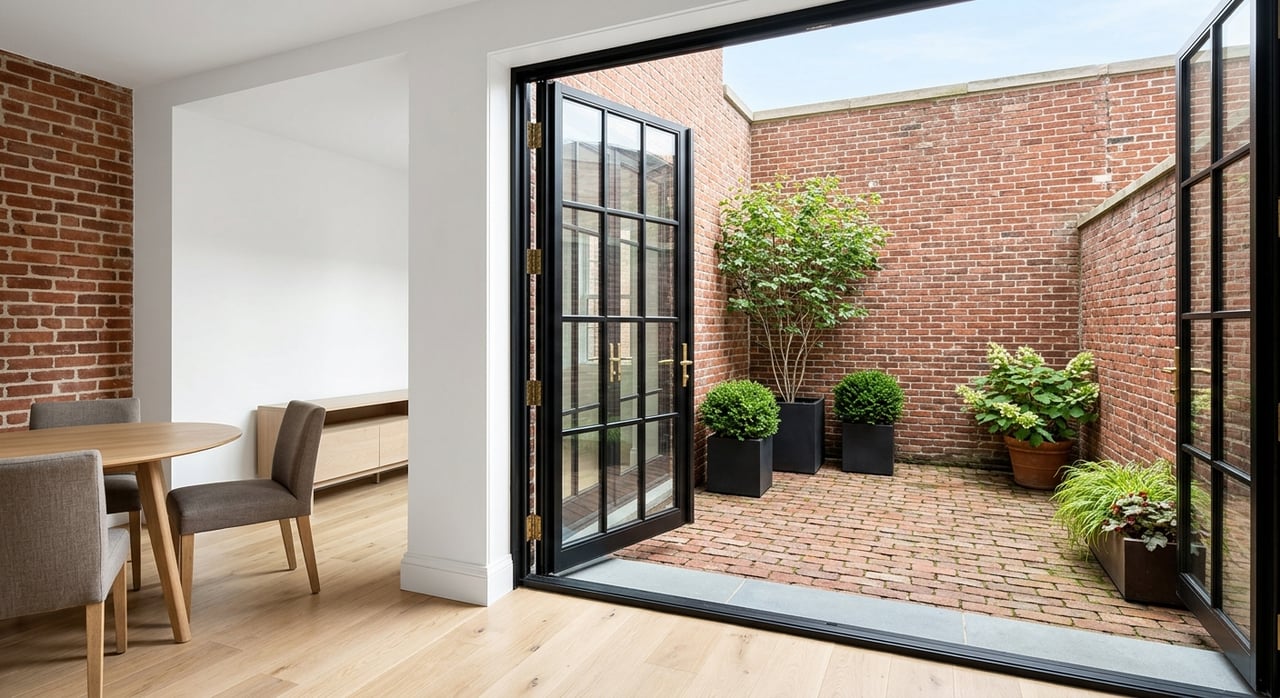
Thinking about trading a big yard and long drives for a more walkable daily routine? If you are downsizing from the suburbs to Queen Village, the move is often less about simply buying a smaller home and more about reshaping how you live. The good news is that with the right expectations around space, parking, costs, and home style, you can make the transition with confidence. Let’s dive in.
Why Queen Village Appeals to Downsizers
Queen Village offers a very different pace from many suburban neighborhoods. According to Visit Philadelphia’s Queen Village neighborhood guide, the area is known for being walkable and bikeable, with easy access to the waterfront and historic sites.
That matters if you want more convenience built into your day. Instead of driving for errands, dining, or weekend activities, you may find that more of life happens a short walk from your front door.
The neighborhood also has deep roots. The Queen Village Neighbors Association notes that the area began as a Swedish settlement in the 17th century and later became known as Southwark, while today it remains an active neighborhood with committees, meetings, grants, and resident services.
For many downsizers, that mix of history and daily convenience is the draw. You may be giving up square footage, but you gain access to a neighborhood with strong identity and active community infrastructure.
What Downsizing Really Means Here
Downsizing to Queen Village usually involves a lifestyle tradeoff. In practical terms, you are often exchanging private space and car-dependent routines for walkability, nearby amenities, and easier access to city life.
That can be a great fit if your current home feels like more work than you need. If maintaining extra bedrooms, a large yard, or a long commute no longer matches your priorities, Queen Village can offer a simpler day-to-day setup.
Still, it helps to be honest about the adjustment. Homes are typically closer together, lots are smaller, and private outdoor space may be limited compared with what you are used to in the suburbs.
Expect Less Private Outdoor Space
Queen Village is a compact urban neighborhood, so many buyers should expect less yard space than they had before. That is one of the clearest changes when moving from suburban homes into rowhomes or condos.
The upside is that neighborhood amenities help fill the gap. The QVNA settling-in resources highlight local tree cover, parks, playground groups, and programs tied to greening and outdoor improvement.
If you are used to spending time outside, it is smart to think differently about that habit. Instead of relying on a large private backyard, you may enjoy nearby public spaces, neighborhood walks, and local gathering spots.
Rowhomes and Condos Need a Different Mindset
Many downsizers looking at Queen Village end up comparing rowhomes and condos. Both can work well, but each comes with a different ownership experience.
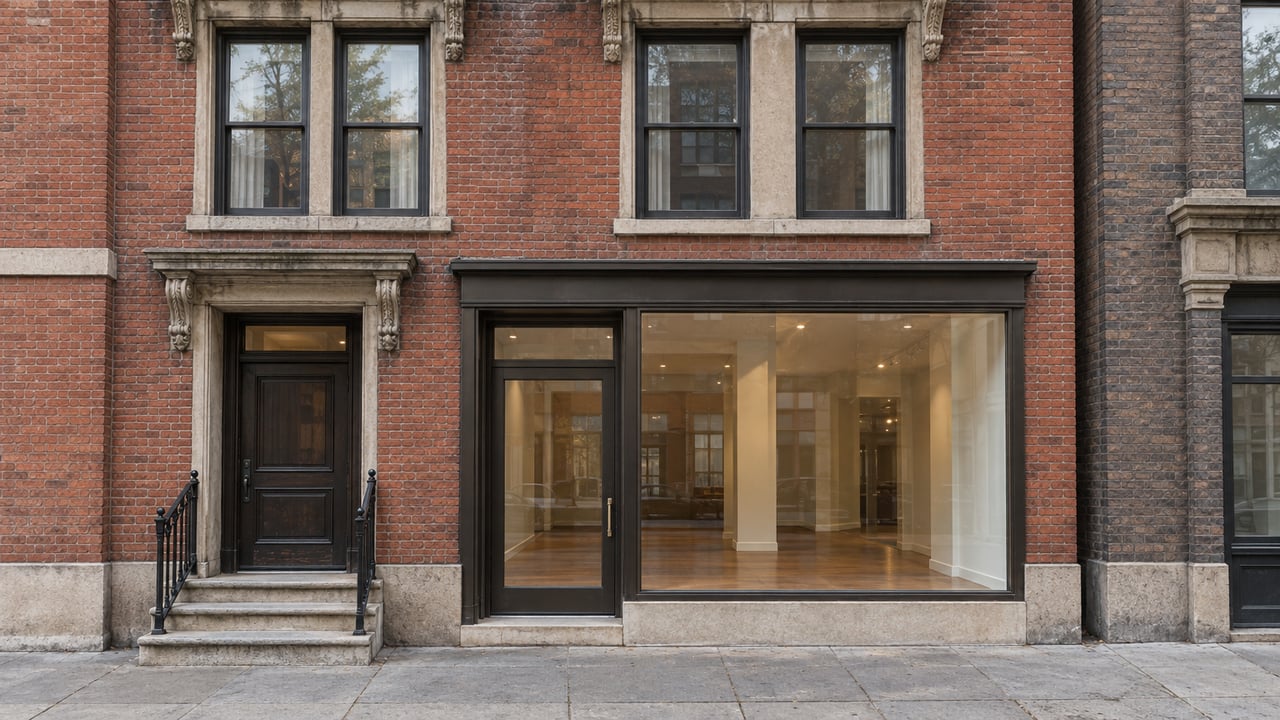
A rowhome may offer more privacy and direct control over the property, but it also usually means you handle more maintenance yourself. A condo can reduce exterior maintenance responsibilities, though monthly dues and shared building rules become part of the picture.
If you are choosing between the two, focus on how you want to live day to day. Think about stairs, storage, exterior upkeep, monthly carrying costs, and whether you want a lock-and-leave option for travel.
Renovation Plans May Face More Review
If your downsizing plan includes buying a home and updating it, Queen Village has an important wrinkle to understand. The City of Philadelphia lists Queen Village as a Neighborhood Conservation Overlay district.
In an NCO, certain building alterations and new construction can trigger design review. That review may consider details such as setbacks, roof decks, façade composition, cornice lines, landscape features, vehicle access, and setbacks above the second floor.
This does not mean improvements are off the table. It does mean you should go in with clear expectations if you hope to add a roof deck, change the exterior, or expand the home after closing.
What to Budget Beyond the Purchase Price
The price of the home is only part of the financial picture. Recent data points place Queen Village roughly in the mid-$500,000s to low-$600,000s, depending on the source and methodology. Zillow’s Queen Village Home Value Index was $563,212 as of February 28, 2026, and the same source cited a 4.5% year-over-year increase.
Once you move beyond pricing headlines, your monthly and upfront costs deserve just as much attention. The Consumer Financial Protection Bureau says closing costs typically range from 2% to 5% of the home price.
If you buy a condo, HOA dues are usually separate from your mortgage payment unless escrowed in a specific way, and the CFPB notes those dues can range from a few hundred dollars per month to more than $1,000. Condo buyers also still need their own unit insurance, even when the association carries master coverage for common areas.
Compare Monthly Costs Carefully
When you are downsizing, monthly cost often matters as much as total price. A smaller home does not always mean a lower monthly payment once taxes, insurance, condo dues, and financing are all included.
The CFPB recommends comparing multiple Loan Estimates and giving lenders the exact property taxes and HOA dues for the home you plan to buy so the monthly figures are more accurate. It also notes that condo loans can sometimes cost slightly more than loans for a standard single-family home.
That kind of detail can make a big difference in your comfort level after closing. If your goal is simpler living, it helps to understand your real monthly carrying cost before you commit.
Prepare for Closing and Future Repairs
A smooth move depends on more than finding the right home. Before closing, the CFPB advises buyers to review their Closing Disclosure and related documents at least three business days in advance.
You should also confirm whether taxes, insurance, and HOA dues are included in escrow or paid separately. On top of that, it is wise to keep cash reserves for repairs and future home expenses, especially if you are moving from a newer suburban property into an older city home.
That reserve matters even when you are buying smaller. Older urban housing stock can come with maintenance needs that are simply different from what you may have dealt with in the suburbs.
Parking Is a Real Adjustment
Parking is one of the biggest practical changes for suburban buyers moving into Queen Village. According to Visit Philadelphia, the neighborhood’s tightly packed residential streets can make parking a challenge, especially at night.
If you plan to keep a car, it is important to treat parking as part of your home search, not an afterthought. A block that feels perfect during a daytime showing may feel different when you come back in the evening.
The Philadelphia Parking Authority says residential permits are virtual, require Pennsylvania plates registered to the home address in a permit district, and cost $75 per vehicle per year, with a household limit of three permits. Temporary permits are also available, ranging from $7 for one day to $300 for 60 days.
Off-Street Parking May Be Worth It
If you want more certainty, off-street parking may be worth factoring into your budget. The QVNA settling-in page also notes covered off-street parking at Front & Christian for $195 per month.
That added expense may be worth it if you drive often or simply do not want the stress of circling for street parking. For some downsizers, paying for convenience becomes part of making city living feel easier.
This is one area where your habits matter. If you expect to walk, bike, or use transit most days, you may feel comfortable with one car or even none.
Transit and Walkability Change Daily Life
Queen Village’s convenience is one of its biggest advantages. Visit Philadelphia points to multiple SEPTA bus routes through the neighborhood, with the Market-Frankford Line only a few blocks away.
That kind of access can reduce how often you need to drive. For many downsizers, the appeal is not just a smaller home. It is a day that involves fewer errands by car and more options close to home.
The neighborhood’s commercial density helps too. Visit Philadelphia highlights Fabric Row, bookstores, vintage shops, restaurants, bars, galleries, and easy access to Penn’s Landing and the Delaware River waterfront.
Nearby Amenities Support the Lifestyle Shift
A big reason Queen Village works for downsizers is that everyday life can happen nearby. The South Street Headhouse District includes more than 400 businesses, making the area one of Philadelphia’s most visited destinations, as noted by Visit Philadelphia.
You also have practical neighborhood resources woven into that lifestyle. The Headhouse Farmers Market operates year-round on Sundays at 2nd and Lombard and accepts SNAP/EBT, Food Bucks, WIC, and senior FMNP vouchers.
In other words, the value of Queen Village is not just the home itself. It is the ability to step outside and have shops, services, food, parks, and neighborhood activity within reach.
How to Decide if the Move Fits You
Queen Village may be a strong fit if you are ready to simplify space and increase convenience. It can be especially appealing if you want a home base close to restaurants, shopping, transit, and public spaces, without depending on a car for every part of your routine.
It may be a harder adjustment if you strongly value large private outdoor space, easy parking right outside your door, or extensive renovation freedom. Those are not dealbreakers, but they should be weighed honestly before you move.
The best downsizing decisions start with lifestyle, not just square footage. When you match the home type, location, and monthly budget to how you actually want to live, the move tends to feel a lot more successful.
If you are weighing a move from the suburbs to Queen Village, a neighborhood-specific strategy can help you compare options, understand tradeoffs, and avoid surprises. When you are ready to talk through pricing, property type, and what downsizing could look like for you in Philadelphia, connect with Frank Genzano.
FAQs
What is it like downsizing to Queen Village from the suburbs?
- Downsizing to Queen Village usually means trading more private space and easier parking for a more walkable, amenity-rich lifestyle with transit access and nearby neighborhood services.
What should buyers expect from Queen Village homes?
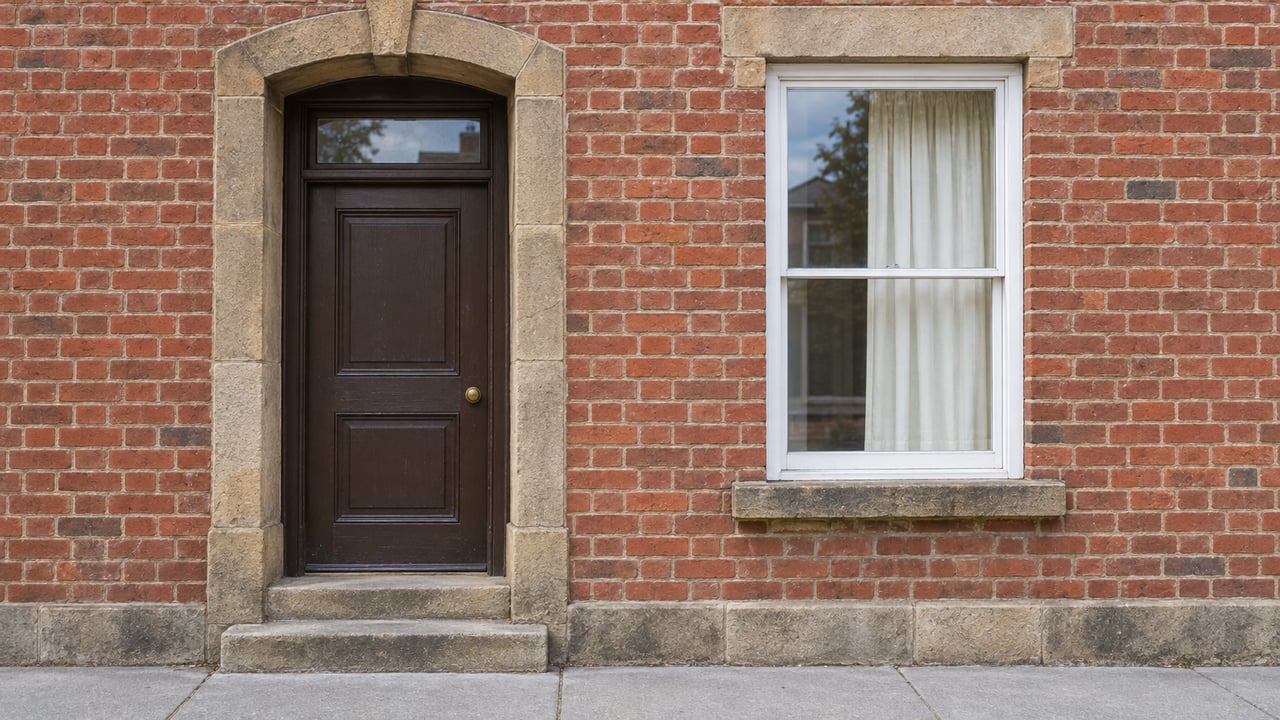
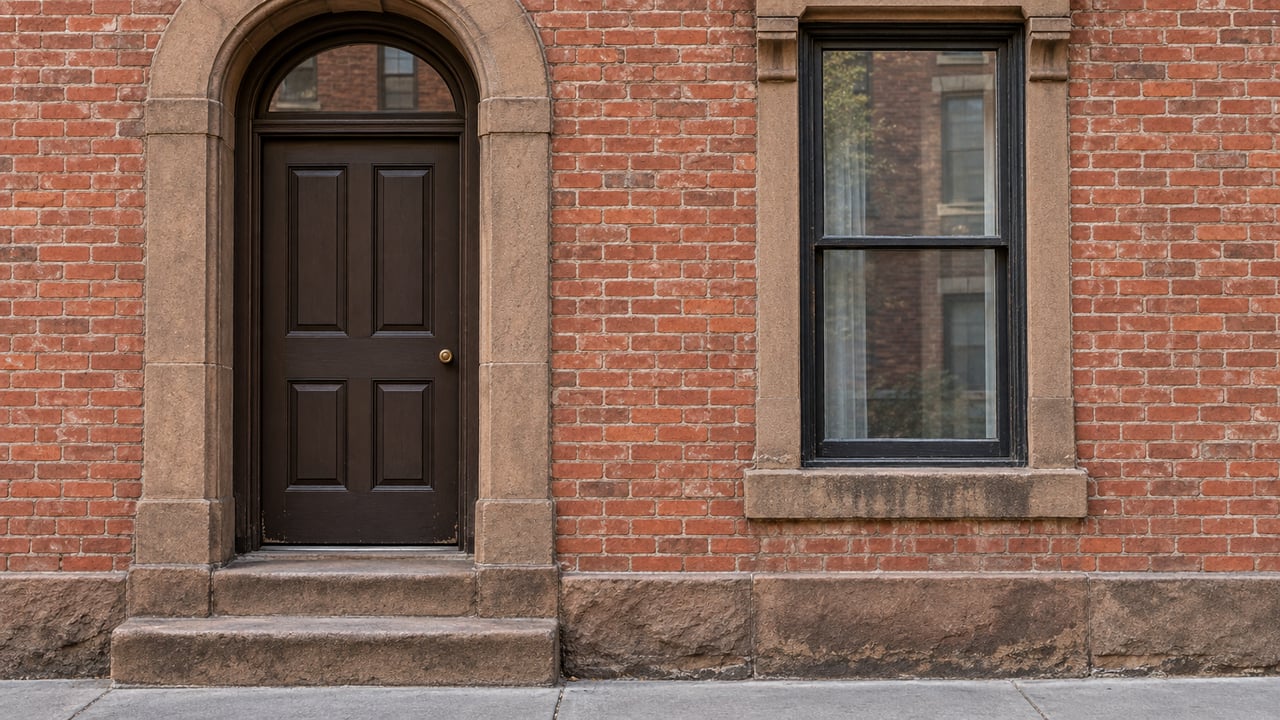
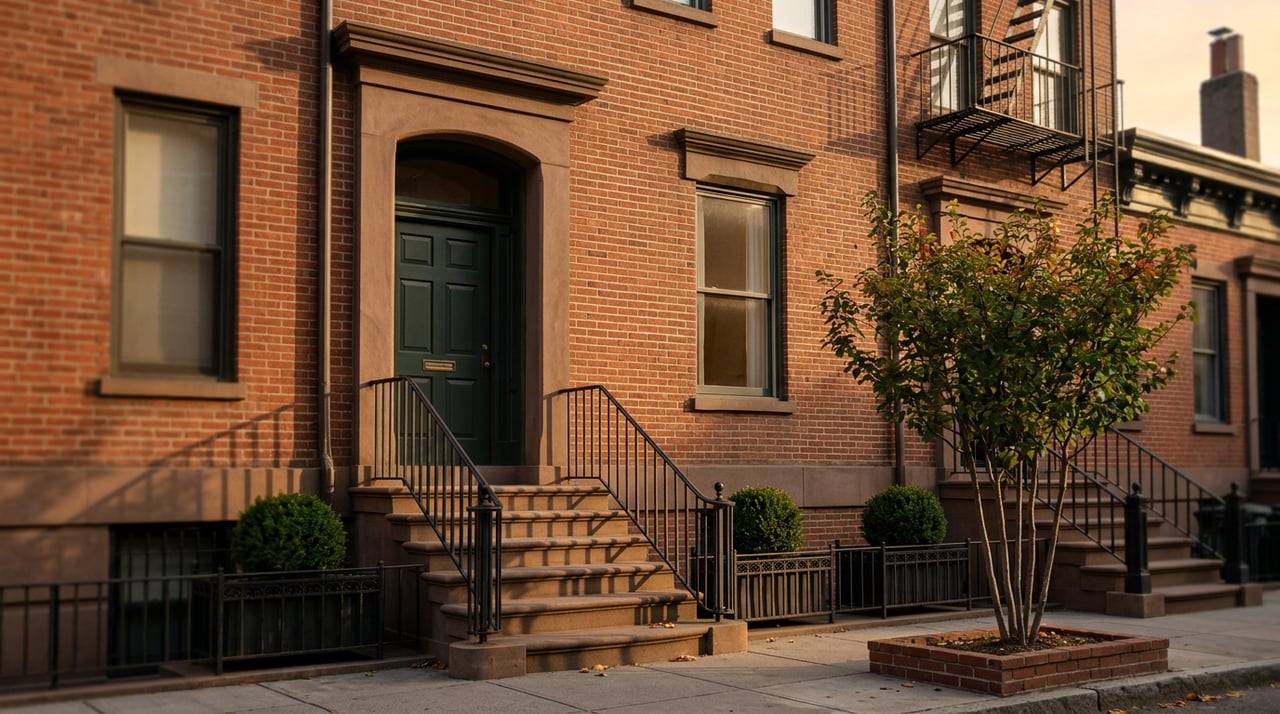
- Many Queen Village homes are rowhomes or condos on smaller lots, so you should expect less yard space, closer neighbors, and a more urban ownership experience than in many suburban settings.
What do Queen Village buyers need to know about renovations?
- Because Queen Village is a Neighborhood Conservation Overlay district, some exterior changes or additions may face design review by the City of Philadelphia.
What does parking cost in Queen Village, Philadelphia?
- Residential parking permits cost $75 per vehicle per year through the Philadelphia Parking Authority, and some buyers may also consider off-street parking options such as covered parking noted by QVNA for $195 per month.
What extra costs should downsizers budget for in Queen Village?
- In addition to the purchase price, you should budget for closing costs, property taxes, insurance, possible condo or HOA dues, and future repair or maintenance expenses.
Is Queen Village a walkable neighborhood for downsizers?
- Yes, Queen Village is widely recognized for walkability, with access to shops, dining, parks, transit, the waterfront, and neighborhood organizations that support daily convenience.