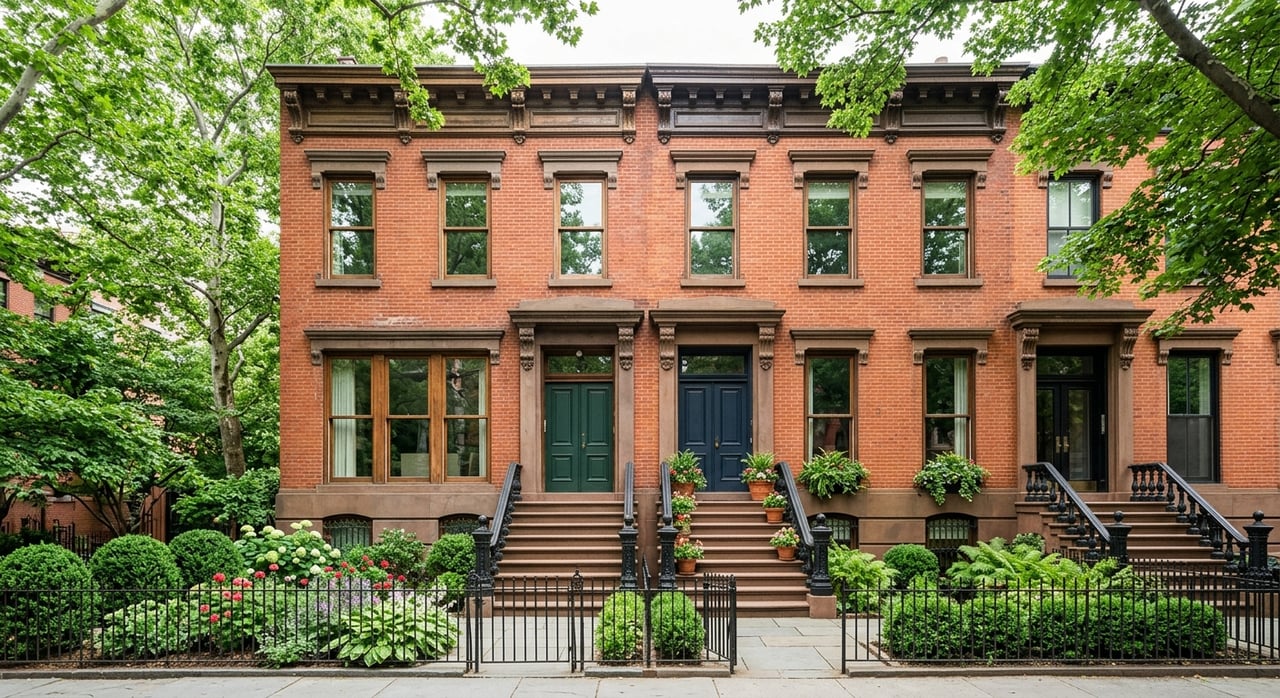
Curious why Girard Estates feels so different from many other South Philadelphia neighborhoods? Once you walk its streets, the answer is hard to miss. This pocket of South Philly has a distinct look and rhythm shaped by intentional planning, varied early 20th-century architecture, and a greener streetscape than many nearby blocks. If you are buying, selling, or simply trying to understand what gives the area its identity, this guide will help you see how architecture and neighborhood character come together in Girard Estates. Let’s dive in.
Planned from the start
Girard Estates did not evolve in quite the same way as many nearby city neighborhoods. According to the Philadelphia Historical Commission inventory, the area was developed from farmland surrounding Stephen Girard’s former country estate by the Board of Directors of City Trusts to generate revenue for Girard College.
That planned origin still matters today. The neighborhood was designed by James H. Windrim and later John T. Windrim, and the historic district was designated in 1999. Instead of feeling accidental or pieced together over time, Girard Estates reads as a cohesive district with a strong visual identity.
Why Girard Estates looks different
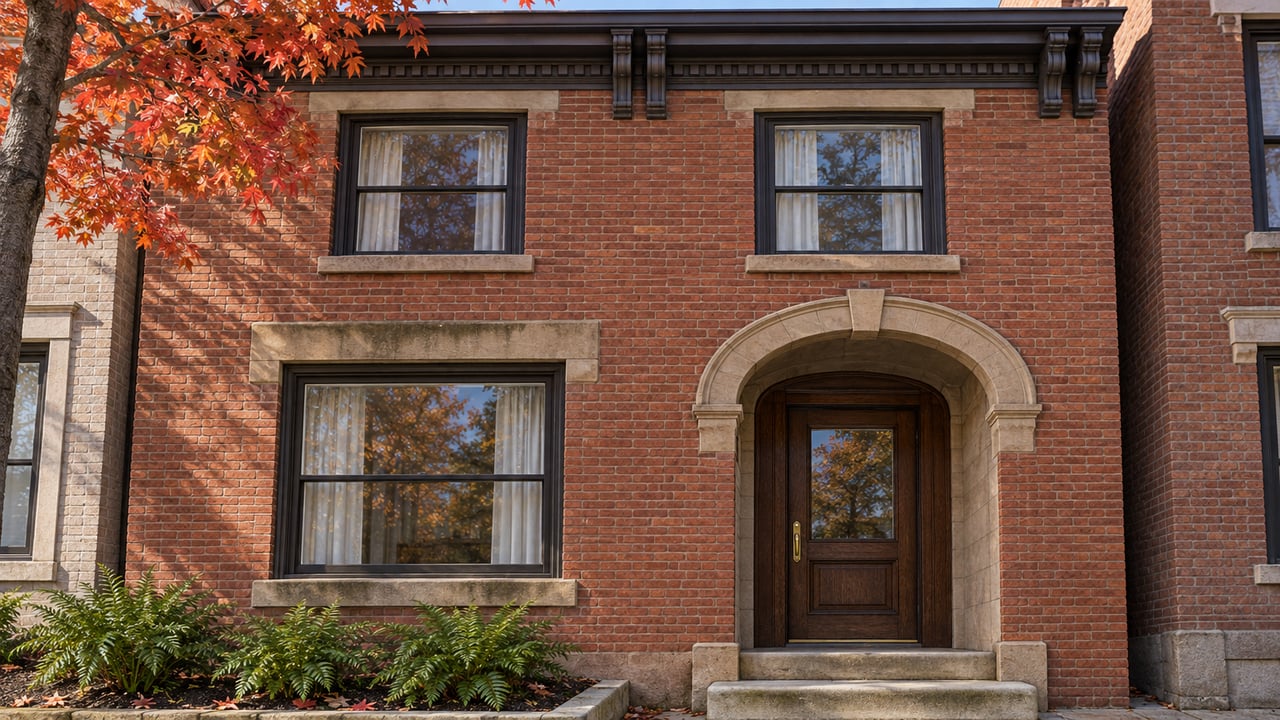
One of the biggest reasons Girard Estates stands out is its housing pattern. The neighborhood is known for semi-detached twin homes rather than the continuous rowhouses that define much of South Philadelphia, as noted in the historic district inventory.
That difference changes how the streets feel when you move through them. More space between homes, combined with front, side, and rear yards, creates a more open and park-like setting. It gives many blocks a lighter, airier character that people often notice right away.
Twin homes shape the streetscape
Because many homes are semi-detached, you often see more windows on multiple sides of the house. The original design emphasized light, air, and comfort, which helped set Girard Estates apart from tighter urban housing patterns nearby.
This layout also affects curb appeal. Front lawns, side yards, and space between buildings create visual breaks along the block, which can make the neighborhood feel less dense while still keeping a city setting.
A greener feel than typical South Philly
The neighborhood’s tree-lined streets are another major part of its character. The preservation material notes that almost all streets are tree-lined, and many homes still retain small front lawns and side and rear yards, adding to the area’s park-like atmosphere.
That greener setting is not just cosmetic. It helps define the day-to-day feel of the neighborhood and gives Girard Estates a look that many buyers find memorable when comparing South Philadelphia areas.
Architecture with variety and control
Girard Estates is not a one-style neighborhood. What makes it visually interesting is the controlled mix of domestic architectural styles documented in the Philadelphia Historical Commission inventory.
Styles found here include Colonial Revival, Tudor and Tudor Vernacular, Prairie, Arts and Crafts, Mission or Spanish Colonial, Jacobean Revival, and Bungalow forms. In practice, that means you may notice different rooflines, porch details, bay windows, brick and stucco facades, and slate or red-tile roofs from one block to the next.
Details that define the homes
Many of the homes share features that give the neighborhood its classic look. Porches, bay windows, and varied facade materials create a layered architectural feel that is uncommon in areas dominated by a single housing type.
Even with that variety, the neighborhood still feels cohesive. The planning framework tied those homes together, so the district reads as a complete environment rather than a collection of unrelated buildings.
Preservation matters here
A key part of Girard Estates’ identity is how much of that original character remains. The historic inventory notes that after a rent dispute in the early 1950s, the houses were sold to private owners, but the district retained most of its original architectural integrity.
For buyers and sellers, that continuity matters. It helps explain why the neighborhood has such a recognizable sense of place and why architecture is often central to how people talk about Girard Estates.
Streets designed for character
The street plan was not perfectly uniform, and that is part of what makes the neighborhood interesting. The Girard Estate preservation guide explains that Garnet and some other streets were plotted to create more frontages.
Some blocks also included small circular planting plots between paired houses for greenery or a tree. These design choices may seem minor, but together they contribute to the softer, more landscaped feeling that sets the area apart.
Girard Park anchors the neighborhood
At the center of Girard Estates is Stephen Girard Park, also called Girard Park, bounded by Porter, 21st, Shunk, and 22nd Streets. The historic district documentation from the City of Philadelphia describes it as a square, grass-covered park with beech trees, perimeter sidewalks, walkways, half-buried cannons, and a statue of Stephen Girard in front of Gentilhommiere, the estate house.
This central open space does more than provide a visual focal point. It reinforces the neighborhood’s planned identity and gives the area a clear center, which is not something every city neighborhood has.
Community life still gathers here
The park is also tied to ongoing neighborhood stewardship. Philadelphia Parks & Recreation includes Stephen Girard Park among its Park Friends groups, which points to continued local involvement around the space.
That sense of participation extends beyond the park itself. Philadelphia’s 2025 RCO list includes Girard Estate Area Residents and Girard Estate Neighbors Association, highlighting active civic organizations connected to the neighborhood.
Open space beyond the neighborhood
Girard Estates also benefits from being near larger South Philadelphia open spaces. The city notes that Marconi Plaza is one of Philadelphia’s largest public open spaces and was created in 1913.
That same city source also notes that FDR Park is a 348-acre historic district designed by the Olmsted Brothers. For many buyers, access to both neighborhood-scale green space and larger nearby parks adds another layer to the area’s appeal.
What this means if you are buying
If you are shopping in Girard Estates, understanding the neighborhood’s architecture can help you evaluate homes with more context. You are not just comparing square footage or finishes. You are also comparing how a property fits into a planned historic setting known for twin homes, varied architectural styles, and greener blocks.
That can influence what stands out during your search. Lot layout, side-yard presence, facade details, park proximity, and block character may all matter more here than they would in a more standardized housing stock.
What this means if you are selling
If you own a home in Girard Estates, neighborhood character is often a real part of your property’s story. Buyers may respond not only to the home itself but also to the features that make this section of South Philadelphia feel distinct, from tree-lined streets to architectural detail and the central park.
That is why strong positioning matters. When a home is marketed with clear neighborhood context, buyers can better understand what makes Girard Estates different and why that difference may be valuable.
Why neighborhood context matters
In a city of micro-markets, Girard Estates stands out because it feels intentionally designed. The combination of twin houses, diverse early 20th-century styles, landscaped streets, and a central park creates a neighborhood identity that is both visual and experiential.
For buyers, that can make the area easier to connect with. For sellers, it can help frame your home within a broader story that buyers already recognize when they step onto the block.
If you are thinking about buying or selling in Girard Estates, working with someone who understands how neighborhood identity shapes demand can make a real difference. Frank Genzano brings a neighborhood-first, data-informed approach to Philadelphia real estate and can help you understand how to position your move with clarity and confidence.
FAQs
What makes Girard Estates architecture different from other South Philadelphia neighborhoods?
- Girard Estates is known for semi-detached twin homes, a wider mix of early 20th-century architectural styles, and more yards and tree-lined streets than the continuous rowhouse pattern common in much of South Philadelphia.
What architectural styles are found in Girard Estates?
- Documented styles in Girard Estates include Colonial Revival, Tudor and Tudor Vernacular, Prairie, Arts and Crafts, Mission or Spanish Colonial, Jacobean Revival, and Bungalow forms.
Why does Girard Estates feel greener than nearby areas?
- The neighborhood was planned with tree-lined streets, small front lawns, and side and rear yards, which create a more open, park-like setting than a standard dense city block.
What is the central park in Girard Estates?
- The neighborhood’s central green space is Stephen Girard Park, also called Girard Park, located between Porter, 21st, Shunk, and 22nd Streets.
Is Girard Estates a historic district?
- Yes. The Philadelphia Historical Commission inventory shows that Girard Estates was designated as a historic district in 1999.
How can neighborhood character affect a home sale in Girard Estates?
- In Girard Estates, a home’s appeal may be shaped by its architectural details, lot layout, block setting, and proximity to neighborhood landmarks like Girard Park, so thoughtful marketing can help buyers understand the full value of the location.