If you are getting ready to sell in Girard Estates, the prep work you do before listing can have a real impact on your timeline, stress level, and final result. This neighborhood has a distinct housing stock, older homes, and some city-specific requirements that can catch sellers off guard if they wait too long. In this guide, you will learn how to prepare your Girard Estates home for the market, what paperwork to line up early, and how to make smart pricing decisions based on the right data. Let’s dive in.
Start With Girard Estates Context
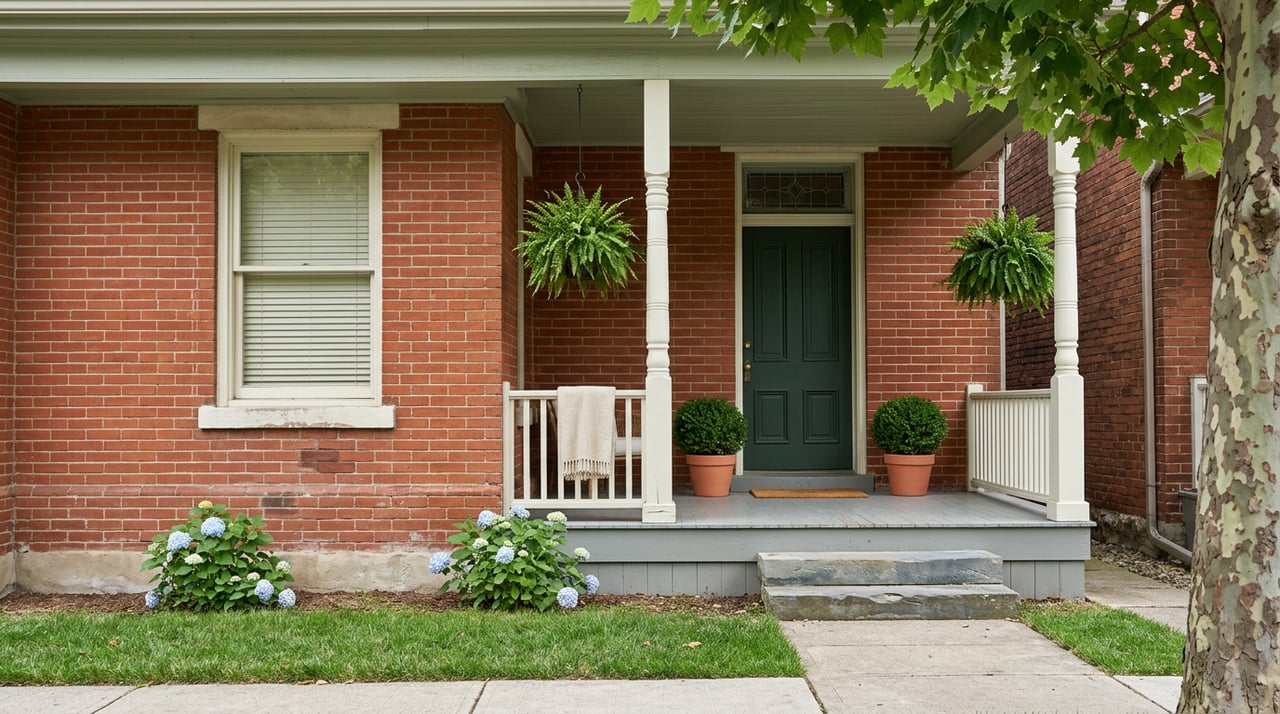
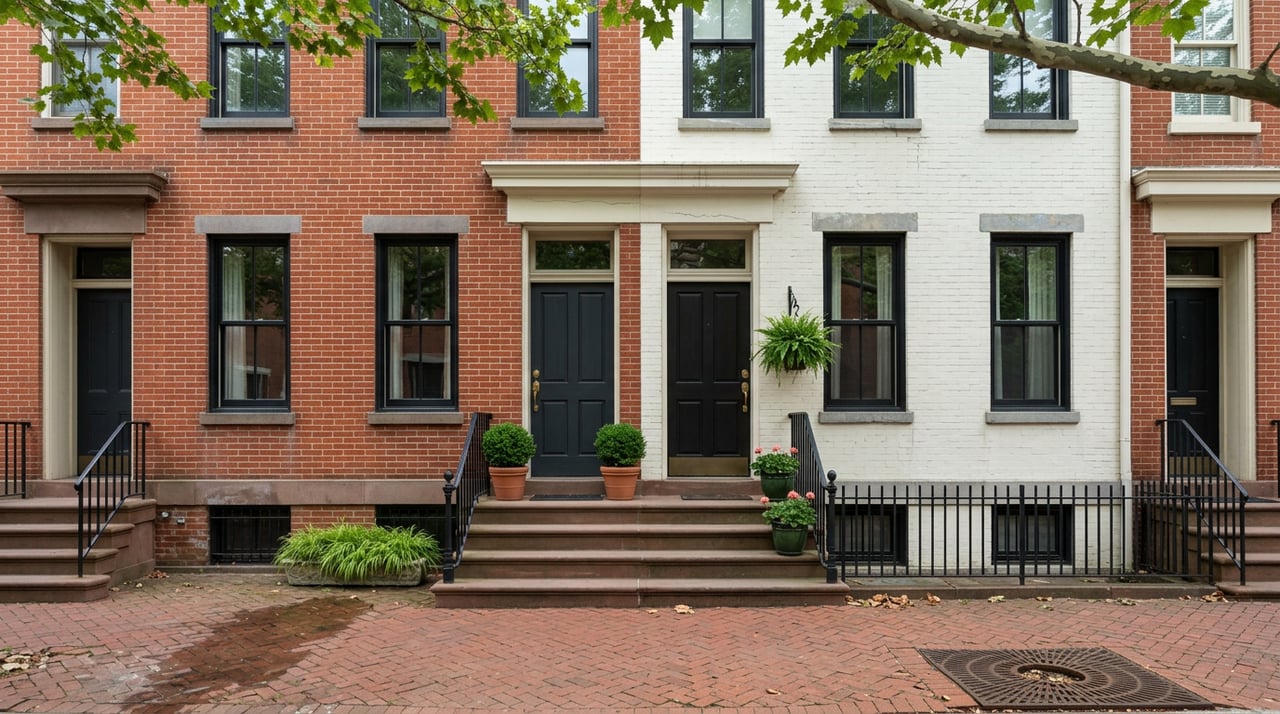
Girard Estates is closely tied to Philadelphia’s historic district framework, and that matters when you prepare a home for sale. The city’s district inventory shows a housing stock dominated by semi-detached brick and stucco homes with full-width porches and other period details. That means original exterior character may be part of your home’s appeal, not something to rush to remove or cover up.
If your property is on the Philadelphia Register of Historic Places, exterior changes may require approval from the Historical Commission. According to the city’s guidance on Philadelphia historic districts, work involving windows, doors, porches, roofs, masonry, and other façade elements can require review, while routine maintenance like scraping and painting wood trim, cleaning gutters, and replacing clear window glass generally does not.
Before making exterior updates, it helps to confirm whether your home is historic and whether the address matches the city record. Philadelphia notes that historic-property records use OPA-compliant addresses, which can differ from mailing addresses when you find a historic property or district. That small detail can save you time if you are checking status before scheduling work.
Price With Comps, Not Headlines
One of the biggest mistakes sellers make is relying on a single neighborhood median. In Girard Estates, that can be especially risky because reported market snapshots vary meaningfully by source and date.
For example, Redfin’s Girard Estates housing market data reported a March 2026 median sale price of $260,000 and 78 days on market. Realtor.com’s neighborhood overview, referenced in the research, showed a $335,000 median home sale price, 30 homes for sale, and a 92-day median days on market through December 2025. That spread is a strong reminder that averages do not price your specific house.
What should matter more is the most recent same-type comparable sales, adjusted for size, condition, layout, and finish level. Two recent examples show how much pricing can move when presentation and layout are stronger. 2533 S Lambert St sold on March 19, 2026 for $527,500 as a 3-bedroom, 2.5+ bath, 1,720-square-foot 1920 townhouse or semi-detached home, while the research also notes that 2526 S Cleveland St sold on February 18, 2026 for $580,000 as a 4-bedroom, 1.5-bath, 1,728-square-foot 1927 single-family home.
The takeaway is simple: your list price should be built from current, relevant comps and your home’s actual condition, not a portal headline. In a neighborhood with older housing and varied finishes, move-in readiness can shift value materially.
Handle Required Paperwork Early
If you want a smoother listing process, start your paperwork before photos and showings are on the calendar. Philadelphia and Pennsylvania both require documents that sellers should not leave until the last minute.
First, Philadelphia requires a Property Sales Certification. The city says this certification includes the property’s zoning classification, last established use in the zoning record, and any uncorrected housing, building, safety, and fire violations. Processing takes five business days, so ordering it early is one of the easiest ways to avoid delays later.
Second, Pennsylvania law requires sellers to disclose known material defects before the agreement of transfer is signed. For many older homes, lead-based paint rules also apply. Under Pennsylvania’s disclosure requirements, sellers of most pre-1978 homes must provide the EPA pamphlet, disclose known lead information, share available records and reports, include the lead warning statement, and give buyers a 10-day inspection period unless that period is waived. You can review the state requirements in the Pennsylvania property disclosure law.
Because much of Girard Estates consists of older homes, it is smart to verify the home’s age, gather any prior reports, and review disclosures carefully before you go live. Buyers tend to feel more confident when the file is complete and organized from the start.
Review Repairs and Violations First
Before you spend money on cosmetic work, identify issues that could create friction during a sale. Visible defects, unresolved city violations, and unclear permit history can all affect buyer confidence and negotiation.
Start with a practical walkthrough of the home and note anything that looks unfinished, worn, or nonfunctional. Then compare that list against your city paperwork once the Property Sales Certification comes back. If there are uncorrected items on record, you will want a plan for resolution before listing whenever possible.
If you have completed repairs or upgrades over the years, especially to the exterior, confirm whether permits were required and whether any inspections remain open. That is particularly important if the home may be historically designated, because the city’s historic property approval guidance explains that exterior changes to register-listed properties can require review for windows, doors, porches, roofs, masonry, mechanical equipment, and more.
The same city guidance also notes that for one- and two-family dwellings, Philadelphia does not require annual smoke-alarm certification. At the time of sale, though, the seller must certify in writing that required smoke and carbon monoxide detectors are installed and operating. That is a small but important compliance item to keep on your checklist.
Protect Historic Character
In Girard Estates, sellers sometimes assume that newer always means better. That is not always true, especially on the exterior.
If your home has original brick, stucco details, porch elements, or façade features, treat them as assets unless there is a clear maintenance issue to solve. Buyers who are drawn to this part of South Philadelphia often respond to homes that feel well cared for and true to their architecture.
That does not mean you should avoid maintenance. It means you should separate routine upkeep from appearance-changing work. The city makes that distinction clearly: maintenance like painting trim, cleaning gutters, and replacing clear glass is generally exempt, while changes to visible exterior elements may need approval if the property is register-listed.
Time Your Launch Around Readiness
Spring is often the busiest ramp-up period, but timing is not just about seasonality. It is about whether your house is actually ready to hit the market.
According to the Bright MLS March 2026 market report, Philadelphia metro new listings rose 4.7% year over year, new contracts rose 41.5% from February, median sold price reached $385,000, inventory rose 8.9% year over year, and median days on market was 19. At the same time, the market was still described as cautious because higher mortgage rates and uncertainty were weighing on activity.
That is why the best launch window is usually the one that follows completed prep, not the one that looks best on a calendar. If your disclosures are ready, city certification is in hand, any needed repairs are complete, and the home is clean and photo-ready, you are in a much better position to make a strong first impression.
A smart prep sequence often looks like this:
- Review recent same-type comps.
- Identify visible defects and deferred maintenance.
- Order the Property Sales Certification.
- Resolve violations or open items where possible.
- Verify historic status before making façade changes.
- Gather disclosures, lead documents, and repair records.
- Finish cleaning, touch-ups, and listing photography.
- Launch once the home is fully documented and ready.
Budget for Closing Costs Too
Preparing to sell is not only about the front end of the process. It also helps to understand what may affect your net proceeds once you are under contract.
Philadelphia’s realty transfer tax changed as of July 1, 2025. The city states that the city portion is 3.578% and the Commonwealth adds 1%, with the tax usually paid when the deed is filed. The city also notes that the transfer tax must generally be paid within 30 days of the transfer, and the deed will not be recorded until it is paid, according to this Philadelphia transfer tax update.
While transfer tax is part of the closing side of the transaction, it belongs in your planning early. Understanding likely costs helps you make clearer pricing and timing decisions before the property hits the market.
What Strong Seller Prep Looks Like
The sellers who tend to have the smoothest launches are not always the ones who spend the most. They are usually the ones who prepare in the right order.
In Girard Estates, that means respecting the home’s architecture, using current comparable data instead of broad averages, and handling city and state requirements before they become urgent. It also means being honest about condition and organized with records, especially in an older housing stock where buyers may look more closely at repairs, disclosures, and exterior work.
If you want a clear plan for pricing, prep, and launch timing in Girard Estates, working with a neighborhood-focused team can make the process much more manageable. If you are thinking about selling, connect with Frank Genzano for a local, data-informed strategy and a clear path to market.
FAQs
What paperwork is required before selling a home in Girard Estates?
- You should plan for a Philadelphia Property Sales Certification, Pennsylvania seller disclosure documents, and for most pre-1978 homes, lead-based paint disclosure materials.
Do historic rules affect exterior repairs on a Girard Estates home?
- If the property is on the Philadelphia Register of Historic Places, exterior changes such as windows, doors, porches, roofs, or masonry may require approval, while routine maintenance is generally exempt.
How should you price a home in Girard Estates?
- You should rely on recent same-type comparable sales and your home’s condition rather than a single neighborhood median, because published market averages can vary by source and date.
How long should seller prep take before listing in Girard Estates?
- You should allow at least five business days for the Property Sales Certification, plus additional time if you need to resolve violations, close permits, or seek historic-review approval.
What should sellers check before making updates to a Girard Estates façade?
- You should verify whether the home is historically designated, confirm the correct OPA-compliant address in city records, and determine whether the planned work is routine maintenance or an exterior change that may require approval.