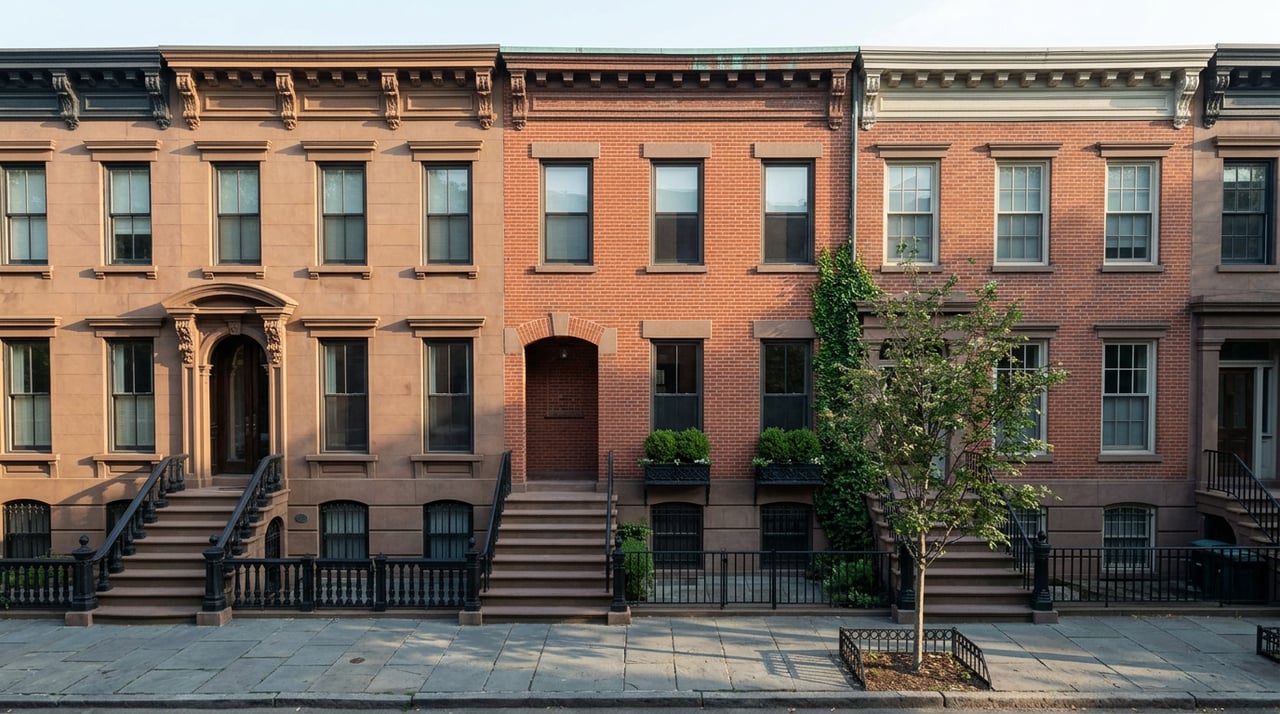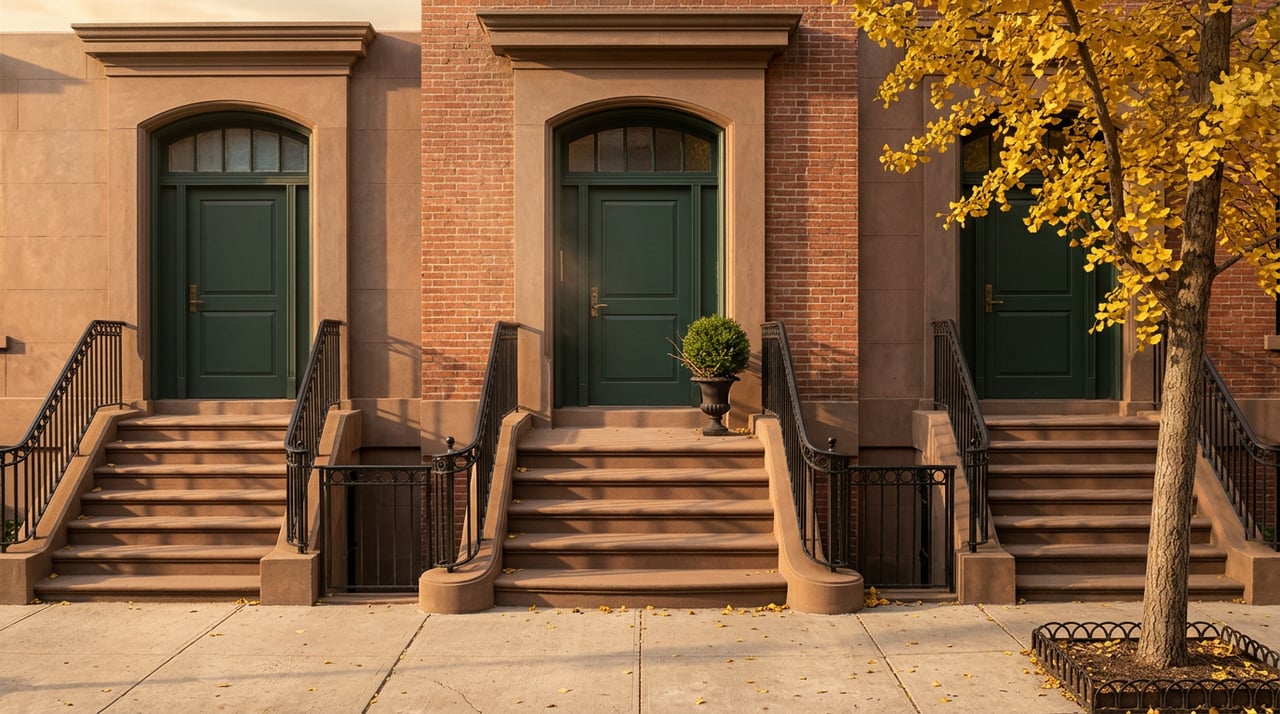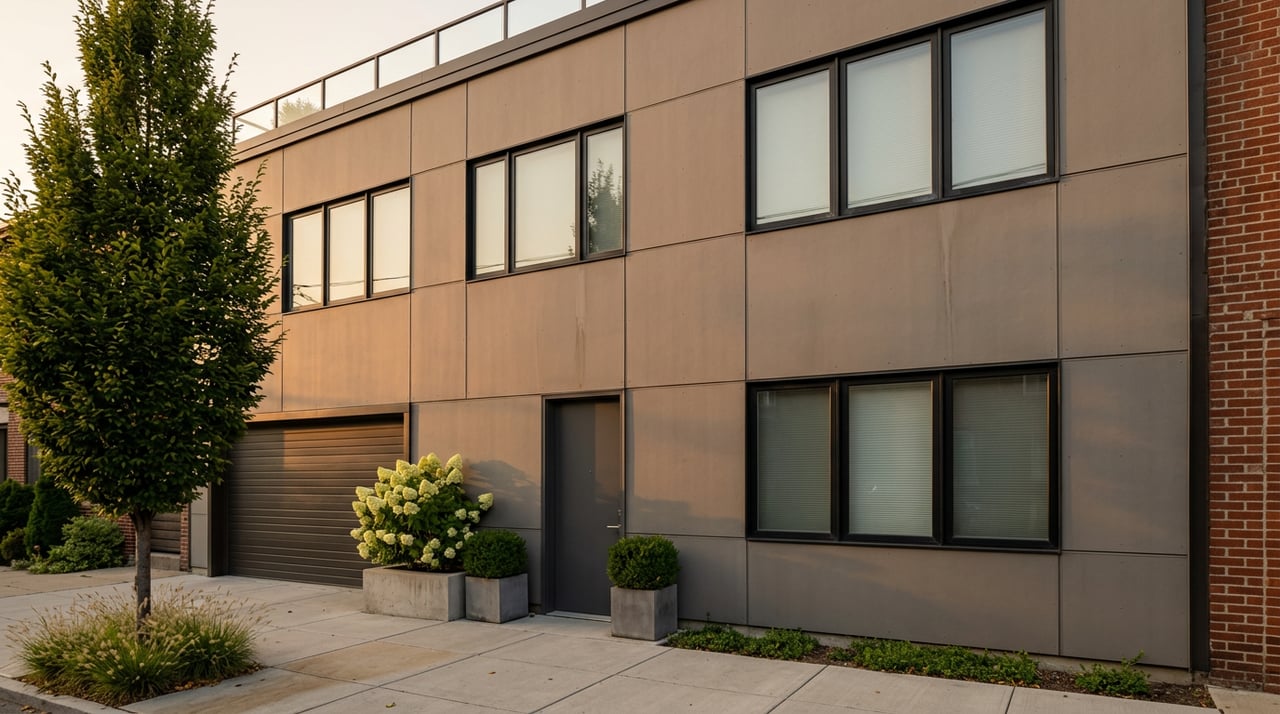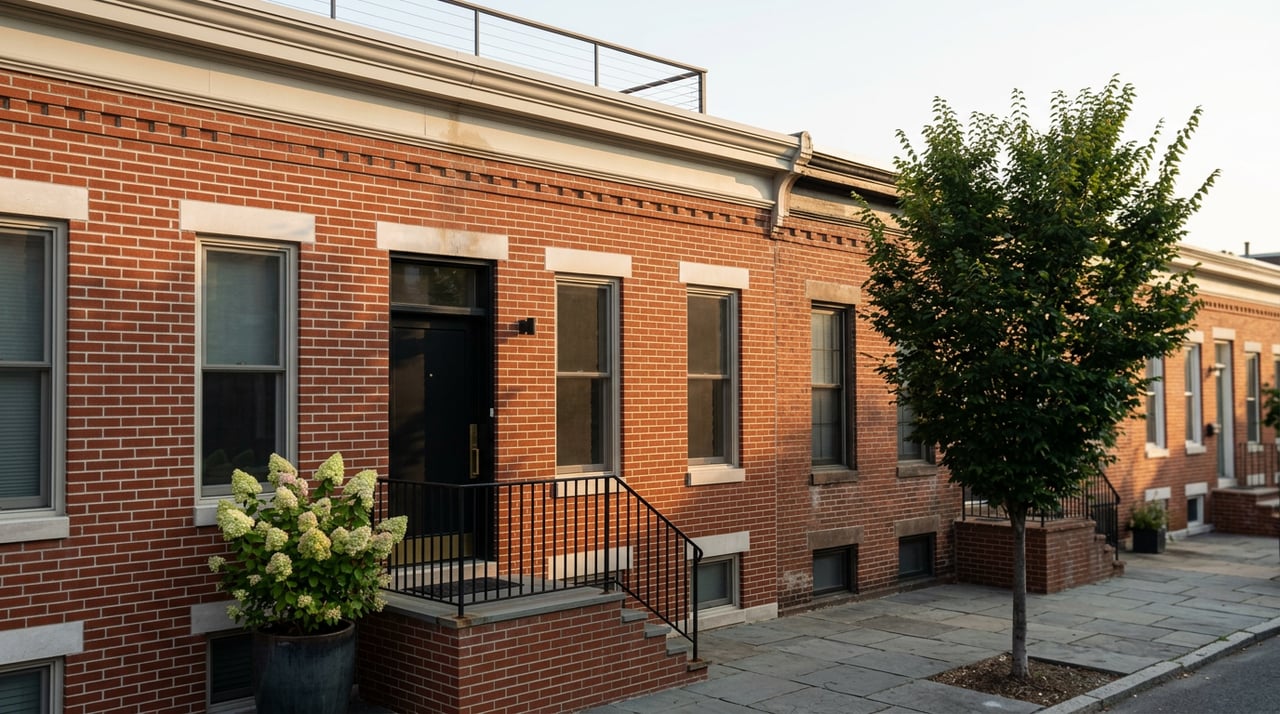
Two townhomes go up for sale on the same Pennsport block. Both are new construction. Both advertise a ten-year tax abatement. Both list for roughly the same price per square foot. On paper, they are the same deal.
They are not. One of them pulled its building permit before January 1, 2022, which means it carries the old-style abatement: zero property tax on the improvement value for the full ten years. The other pulled its permit after that date, which means it falls under the reformed schedule, a declining abatement that starts at 100 percent and steps down 10 percent a year until it phases out entirely. By year six, the two houses have meaningfully different tax bills. Nothing on the listing sheet tells you which one you're looking at. You have to check the permit date yourself.
That single detail is a useful way into a broader point about Pennsport right now. The headline numbers on the major portals are technically accurate and still manage to tell you less than you think.
Two Sites, Two Numbers, Both Correct
Pull up Pennsport on two different sites and you'll get two different prices, and neither one is wrong. Redfin's neighborhood page put the median sale price at $370,000 for the three months ending April 2026, down 0.97 percent from the same period a year earlier. Homes.com's trailing 12-month figure landed at $375,000, also down about 1 percent year over year. Close to each other, but not the same window, and not the same math.
The bigger issue is what happens inside a single source. Pennsport is a low-volume market. Redfin logged 28 home sales in April 2026, up from 18 the year before. When your monthly sample size sits in the twenties, one or two unusually priced closings can swing a single-month median by double digits. A separate Redfin snapshot for March 2026 showed the median down 14.5 percent year over year, a far more dramatic swing than the multi-month figure suggests. Same source, different month, wildly different headline. That's not a data error. It's what happens to medians in a neighborhood where the sales count is small enough that outliers carry weight.
The Number That Actually Moved the Other Way
Here's the detail that changes the story. While the median sale price sat flat to down, the median sale price per square foot in Pennsport rose 3.6 percent over the same year, reaching $285 as of the three months ending April 2026.
| Metric (3 months ending April 2026) | This year | Year prior |
|---|---|---|
| Median sale price | $370,000 | ~$373,600 |
| Median price per square foot | $285 | ~$275 |
| Median days on market | 72 | 77 |
| Homes sold (April) | 28 | 18 |
A falling median alongside a rising price per square foot is not a market getting cheaper. It's a market where the mix of what's selling has shifted. More homes changed hands this spring than a year ago, days on market compressed slightly, and the underlying value per square foot kept climbing even as the sticker price of the typical closing came down. The simplest explanation is that a larger share of recent transactions were smaller or older rowhomes rather than the larger new-construction product that tends to anchor the top of the median. That doesn't mean anyone got a discount. It means a different type of home was the one selling that month.
If you're comparing Pennsport to a neighboring pocket of South Philly using nothing but the median price line, you're comparing two different baskets of goods and calling it one number.
The Abatement Clock Nobody Puts on the Flyer
Which brings the conversation back to that permit date, because it's the piece of the Pennsport market with the most direct dollar impact on a buyer's actual carrying cost.
Philadelphia's residential tax abatement has been in place since 2000, exempting the added assessed value of new construction or major improvements from property tax for ten years. City Council reformed the program for applications filed on or after January 1, 2022. Anything permitted before that date still gets the old version: a full, flat 100 percent exemption for the entire ten-year term. Anything permitted after gets the new version, a schedule that phases down 10 percentage points a year until it disappears.
Pennsport has real, named examples of this split sitting a few blocks apart. Greenwich Square, a twelve-unit luxury townhome community with river views, delivered its second phase in the summer of 2022, which puts its permits comfortably on the old side of the cutoff and lines up with the developer's advertised full ten-year abatement. Magnolia Court, a newer project from local developer Lily Development offering both single-family and carriage-style homes, is a more recent entrant to the same stretch of the neighborhood, and its permit timing relative to the 2022 reform is exactly the kind of thing a buyer needs to confirm rather than assume. A separate existing development known as Pennsport Point has come up for resale with one listing noting six years remaining on its abatement, a small reminder that every project in the neighborhood is running its own clock on its own start date.
None of this shows up in a listing description. It shows up in the permit record.
Before You Compare Two "New Construction, Full Abatement" Listings
A few minutes of verification changes what you're actually comparing:
- Look up the property on the city's Atlas tool at atlas.phila.gov and check the permit issue date under the property's history, not the completion or move-in date.
- Confirm whether the abatement is listed as flat or declining in the assessment record. The Office of Property Assessment applies it automatically once the permit closes, and the record will show the expiration year.
- If a listing agent tells you a project has a "full ten-year abatement," ask when the permit was pulled. Before January 1, 2022 supports that claim. After that date, it doesn't, no matter what the marketing copy says.
- Remember the abatement clock starts on permit issuance, not on the date you close. A resale of a 2021-permitted new build still carries the old full exemption for whatever years remain, which can make an otherwise similar-looking resale meaningfully cheaper to carry than new inventory permitted more recently.
What This Means If You're Comparing Pennsport to the Rest of South Philly
None of this changes what draws people to Pennsport in the first place. Two Street still anchors the neighborhood's identity, the Mummers clubhouses off 2nd Street are still part of its civic texture, and Herron Playground still functions as the kind of everyday green space that doesn't show up in a market report but matters to daily life. Those things haven't moved.
What has moved is how confidently you can read a single price number and assume it tells you what the neighborhood costs right now. It doesn't, not on its own. The median tells you what happened to sell. The price per square foot tells you something closer to what things are actually worth. And the permit date on any new-construction listing tells you what you'll actually be paying in taxes five years from now, which no median ever will.
If you're weighing a purchase or a sale in Pennsport and want someone to walk through the actual numbers on a specific address, including what its abatement record shows, that's exactly the kind of groundwork Frank Genzano and the Love City Group team do before a client ever makes an offer. Get your free home valuation and we'll start with the details the portals leave out.
FAQ
Does a declining abatement still save meaningful money? Yes, particularly in the early years. A property permitted after January 1, 2022 still gets a full exemption in year one, then steps down 10 percentage points annually. The savings shrink over time rather than disappearing immediately.
How do I check a property's abatement status myself before making an offer? Search the address at atlas.phila.gov, open the property record, and look for the permit issue date and the abatement expiration year listed under the assessment history. The Office of Property Assessment's record controls if it differs from what a seller or listing states.
Does the 2022 reform affect rehabs of existing rowhomes, or only new construction on vacant lots? The reform targeted new residential construction most directly. Renovations to existing residential structures have continued to qualify for the abatement on a separate track, so a gut-renovated Pennsport rowhome and a ground-up new build permitted the same month are not automatically on identical schedules. Always confirm the specific ordinance type tied to the permit.