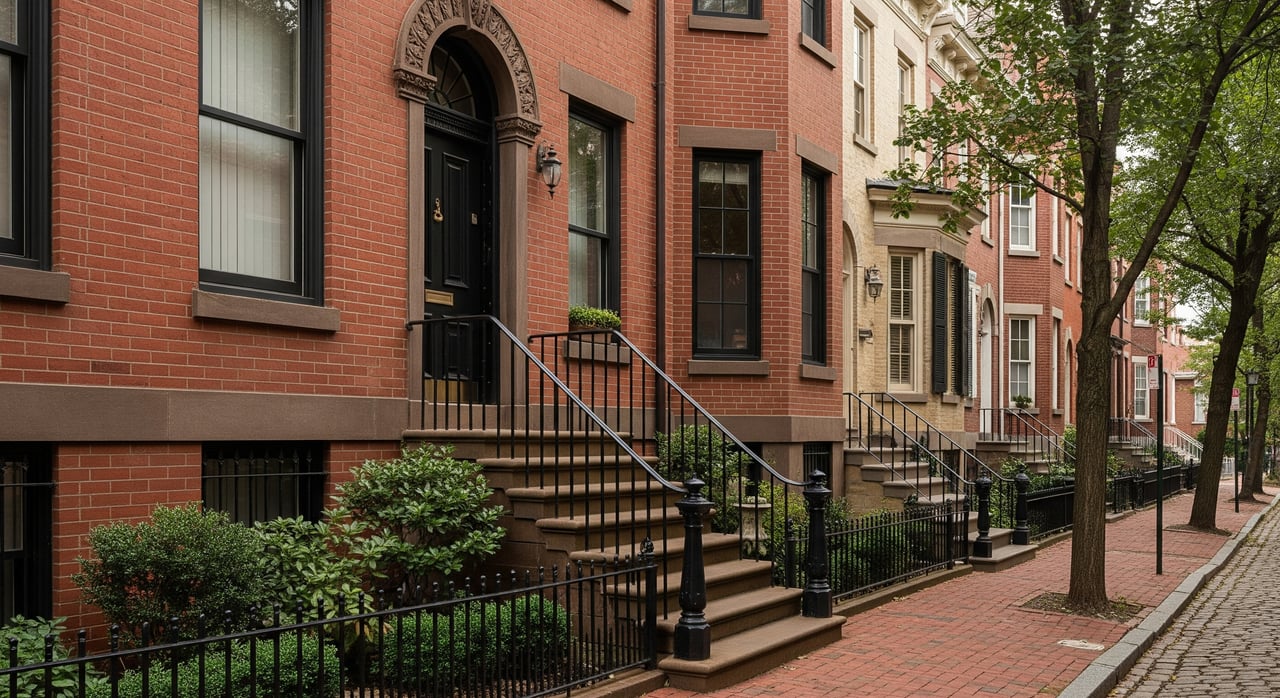
Buying a historic rowhome in Queen Village can feel like stepping into a living museum. The brick, the cornices, the intimate streetscapes all pull you in. But the details behind the charm matter when you plan how you will live, renovate, and maintain your home. In this guide, you will learn the typical sizes, layouts, stairs, systems, and renovation checkpoints unique to Queen Village rowhomes so you can shop with confidence and plan smart. Let’s dive in.
What makes Queen Village unique
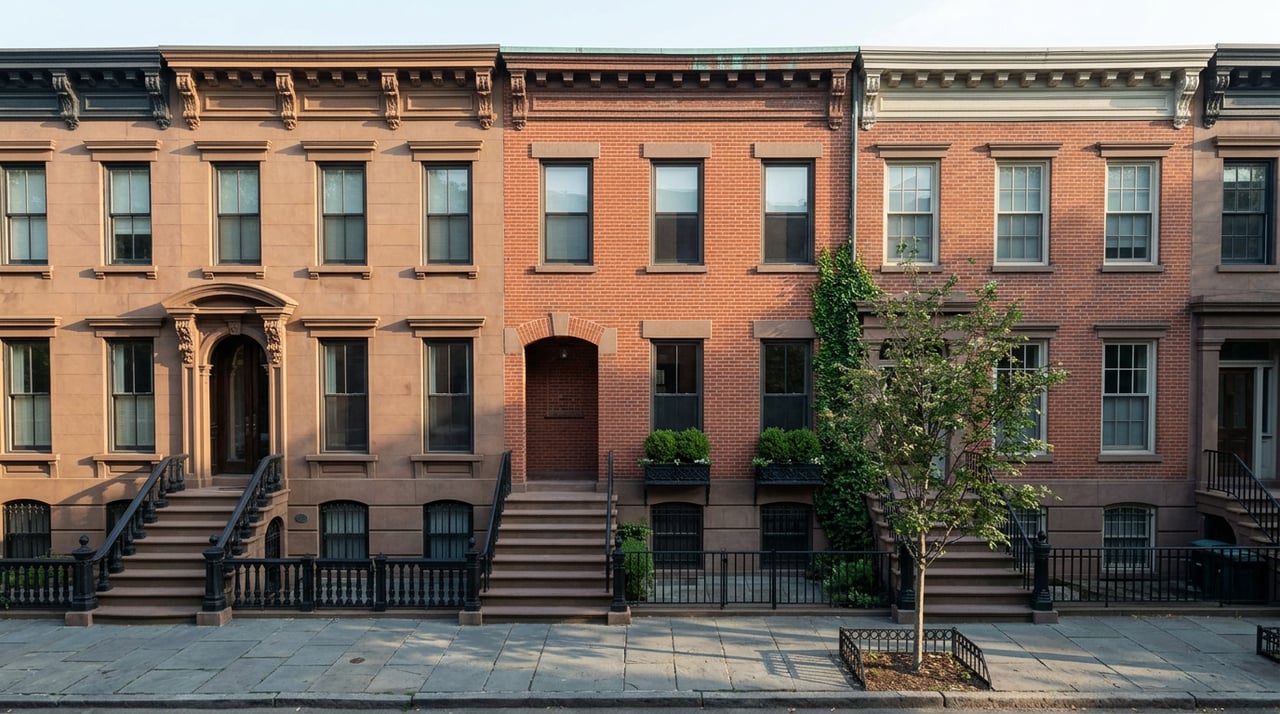
Queen Village is one of Philadelphia’s oldest residential neighborhoods, with housing that took shape mainly in the 18th and 19th centuries. You will see continuous rows on narrow, deep lots, which means attached homes with party walls and compact frontages. Many houses date from the Federal and Greek Revival eras, with later Victorian and Italianate infill and some 20th-century adaptations.
Parts of the neighborhood fall under local historic-district oversight. Exterior changes in these areas often require review by the Philadelphia Historical Commission. Even outside designated districts, you should plan to confirm permit needs with the City’s Department of Licenses & Inspections. If you are considering a visible exterior change, expect a closer look at your plans.
Styles you will see on the block
Federal and Georgian
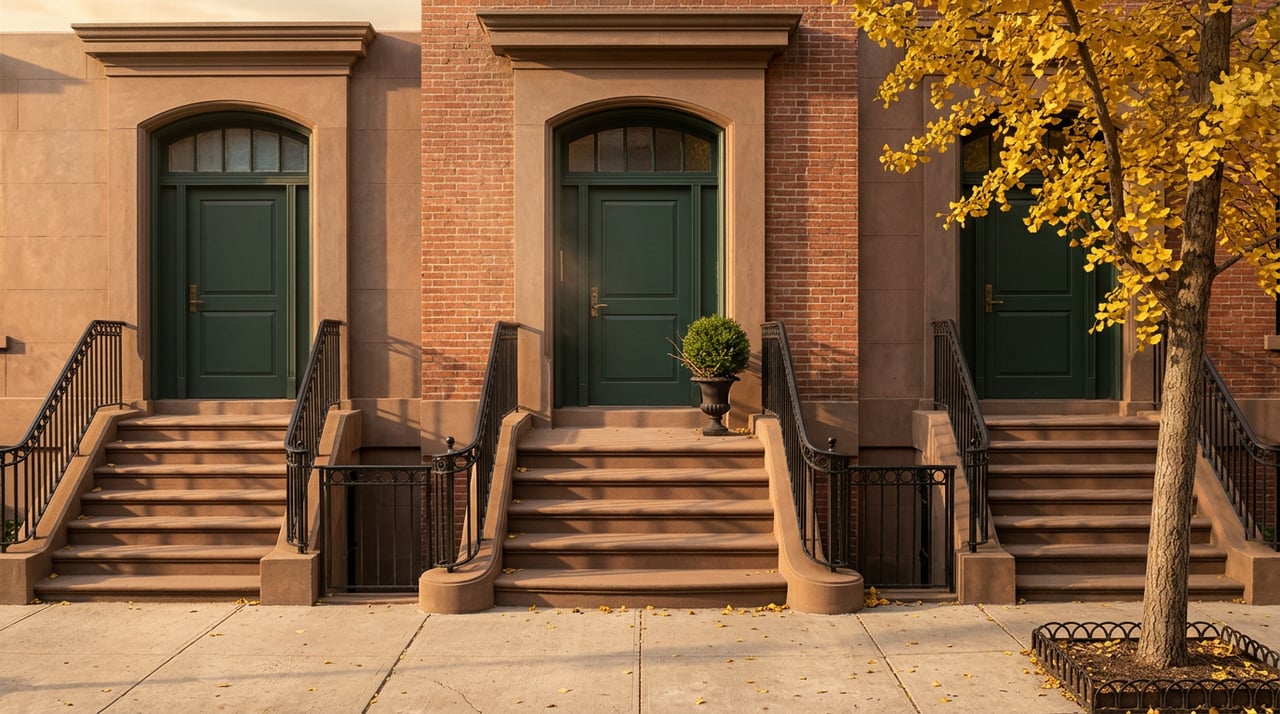
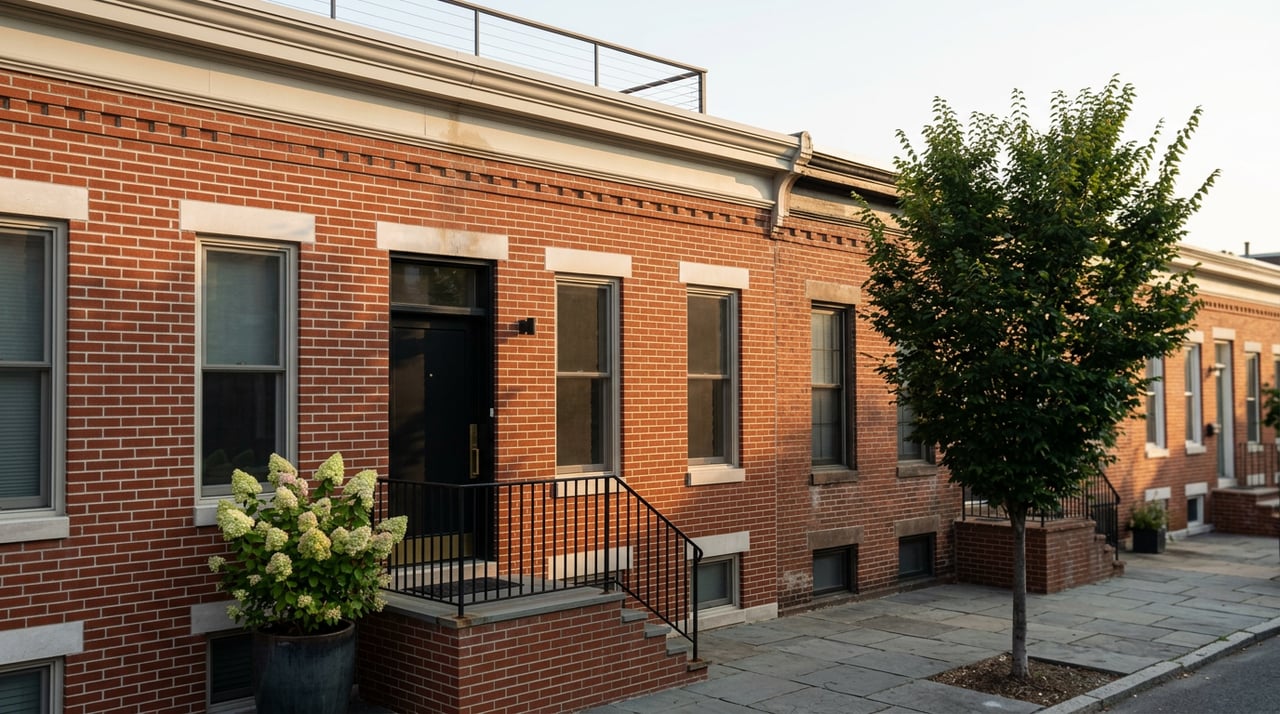
These earlier homes tend to have simple brick facades, symmetrical windows, and flat or slightly pitched roofs. Entries may be at grade or on a modest stoop. The lines are clean and understated, which makes maintenance and historically sympathetic upgrades straightforward if you respect the proportions.
Greek Revival
Look for heavier cornices, entries with transoms and sidelights, and simple pilasters. Many of these houses are similar in size to Federal homes but add a bit more visual weight at the roofline and door surrounds.
Italianate and Victorian
These mid to late 19th-century houses often show bracketed cornices, tall narrow windows, and decorative lintels with stone or brownstone trim. Facades are usually brick. You will frequently see tall window openings that bring in good light at the front rooms.
20th-century infill and conversions
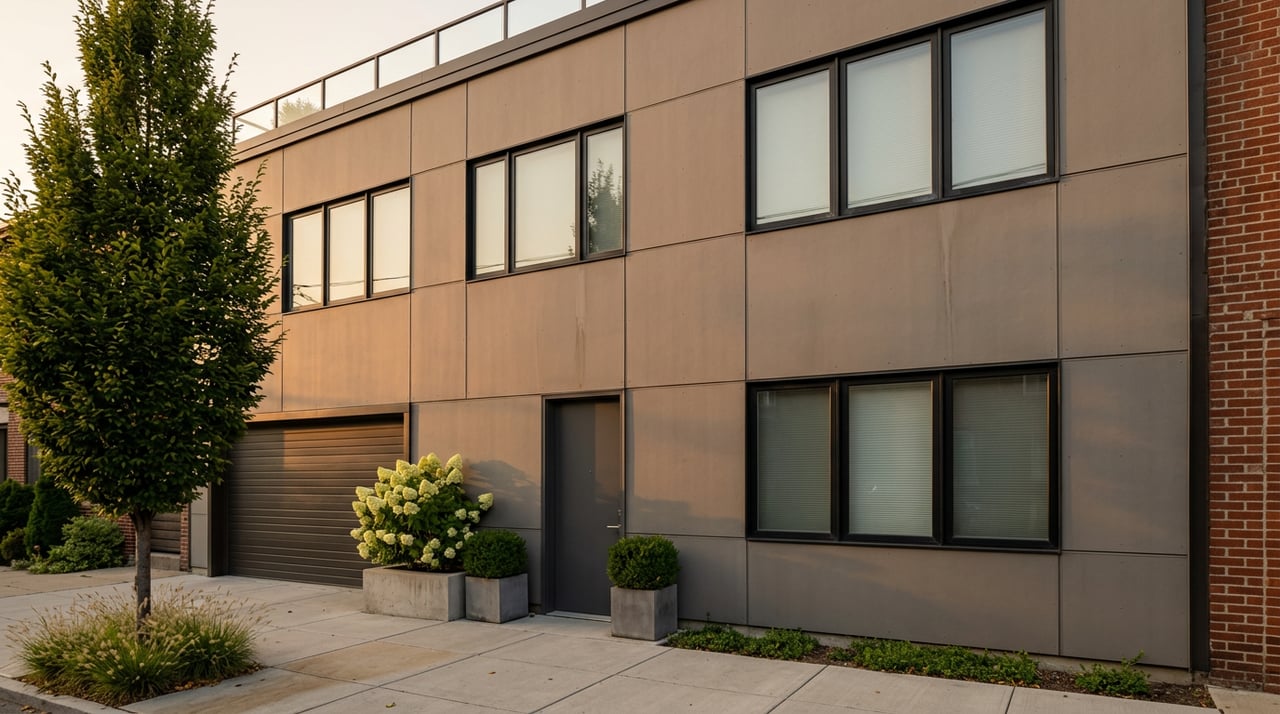
Some properties were adapted or rebuilt over time. You may find small apartment conversions behind main rows or former carriage houses. These can offer unusual layouts or access to rear alleys that differ from the typical street-facing row.
Typical sizes and layouts
Most Queen Village rowhomes are narrow by modern standards. Frontages commonly range from 14 to 20 feet, with 16 to 18 feet especially common. The house footprint rarely fills the entire lot, so you often have a small rear yard or access to a service alley.
Ceiling heights on main living floors can be generous for older homes, often 9 to 12 feet, which helps rooms feel larger. Your floor plan will likely follow one of these patterns:
- Raised-parlor plan: A stoop leads to an elevated parlor floor for formal rooms, with a garden-level basement below that historically held the kitchen and service spaces.
- Garden-level entry (English basement): The front door opens directly to a lower-level parlor or living area, with main floors above.
- Stacked plan: Each level has compact front and back rooms, with stairs tucked along a party wall or near the center.
Kitchens were historically in the rear or basement. Many modern renovations move the kitchen to a rear extension or open the rear parlor to create a combined kitchen, dining, and living zone.
Stairs and circulation realities
Expect narrow, steep stairs. You may see straight runs, winders that turn, or L-shaped stairs. Widths and headroom are often less than modern code allows in new construction. This affects daily living and also moving logistics. Measure stair widths, turns, and landings before you buy or before moving large furniture and appliances.
Basement and attic stairs are usually even tighter. If you plan to finish a basement or convert an attic, remember that egress, headroom, and stair geometry will influence what is possible and what permits will require.
Systems and structural basics for older rows
Historic party walls are shared and load-bearing. If you want to remove interior walls, widen openings, or add new spans, you will likely need new beams or engineering. Avoid assumptions about cutting into party walls for added light or mechanical runs. That work needs careful assessment and coordination with neighbors.
Plumbing, electrical, and HVAC systems may be dated. You might encounter galvanized plumbing, lead solder, or older electrical like knob-and-tube or early NM cable. Central HVAC was not original in most homes. In narrow houses, running full ducts can be tough, so ductless mini-split systems are a common choice to deliver efficient heating and cooling with less invasive work. Many buyers also plan for an electrical service upgrade to support modern loads.
Moisture, basements, and drainage
Basements in garden-level homes can be damp or at risk of water infiltration, especially during heavy rain. Smart steps include exterior grading, interior waterproofing, sump pumps, and attention to downspout drainage. If you want the basement as living space, confirm egress, ventilation, and mechanical placement, and plan to pull permits for any conversion.
If a property sits lower than the street, ask about any history of water events. Check floor elevations carefully, and understand how the lot and adjacent properties handle stormwater.
Light, air, and energy efficiency
A 16-foot-wide rowhome typically has two compact rooms front to back, which limits how much light reaches the interior. Popular strategies include opening the rear parlor to create a brighter great room, adding light wells or skylights where allowed, and using reflective finishes that bounce light deeper into the space.
Older windows may be single-pane sash units that are historically significant. Energy performance can improve with careful weatherstripping, storm windows, and attic or roof insulation. If you plan to replace windows, confirm historic requirements before you order anything.
Outdoor space and parking
Rear yards are usually modest, sometimes with alley access. Roof decks are a popular way to add outdoor space, but they come with structural, zoning, and often historic review considerations. On-site parking is limited in this neighborhood. A few homes may offer rear-alley garages or carriage house options, but converting yards to parking is complex and often restricted.
Permits, zoning, and historic review
- Permits and inspections: The Philadelphia Department of Licenses & Inspections oversees building permits and code compliance. Structural changes, exterior work, and most systems work require permits.
- Historic review: If your property is in a designated historic district, exterior changes visible from the street will likely need approval from the Philadelphia Historical Commission. Expect to apply for a Certificate of Appropriateness for visible changes.
- Zoning and use: The Philadelphia Zoning Code regulates lot coverage, height, and use. Rear or rooftop additions, creating an extra dwelling unit, or changing use may require zoning relief.
Before you draw plans, verify your property’s district status, zoning, and which elements of the facade are protected. Early checks prevent costly redesigns.
Common buyer projects, simplified
- Open-plan living: Often achievable by removing rear partitions or building a sensitive rear extension. Plan for structural reinforcement and permits.
- Kitchen relocation: Moving the kitchen from a basement to the parlor or rear extension is common. Map existing plumbing chases along the rear wall or utility stack to reduce invasiveness.
- Attic conversion: Turning an attic into a bedroom is popular but depends on joist capacity, headroom, egress, and possibly dormers. Expect structural and zoning reviews.
- Roof deck or penthouse: Feasible in many cases, yet frequently constrained by height limits, party-wall issues, and historic oversight. Start with an architect familiar with Queen Village.
- HVAC modernization: Ductless mini-splits can deliver comfort without sacrificing interior space for large duct runs.
- Energy updates: Focus on attic or roof insulation, targeted air sealing, and historically sensitive window strategies.
Health and safety checks in older homes
Homes built before 1978 may have lead paint, and mid-century retrofits can introduce asbestos-containing materials like old pipe insulation or certain tiles. If you plan any renovation, testing and proper treatment by licensed professionals are standard steps. This is especially important if you will disturb painted surfaces or replace older systems.
What to inspect before you write an offer
Create a simple checklist to guide your walk-through and inspection planning:
- Width and stair geometry: measure stair runs, turns, and key door openings for move-in logistics.
- Basement moisture: look for efflorescence, musty odors, or active seepage; ask about prior water events.
- Structure: note sloping floors, cracks at party walls, or deflection at joist spans that may indicate needed reinforcement.
- Systems age: panel amperage, visible plumbing materials, HVAC type and age, and location of mechanicals.
- Light and ventilation: observe interior room daylight, window condition, and opportunities for rear opening or skylights.
- Rear yard and alley: confirm access, drainage patterns, and any neighbors’ encroachments.
- Historic context: ask whether the property lies in a local historic district and which exterior elements are protected.
Planning and phasing your improvements
Older homes reward a phased approach. Tackle structure and water management first, then mechanicals and electrical, then insulation and interior finishes. This order protects your investment and keeps you from undoing finished work later. It also helps you spread decisions and move in sooner if you prefer to live through parts of the process.
Work with the right local pros
For significant changes, talk to an architect who understands Philadelphia rowhomes and historic review. A structural engineer can validate spans and beam sizes for wall removals. Licensed contractors familiar with Philadelphia permitting can save time at L&I. Environmental inspectors can test for lead and asbestos, and reputable waterproofing specialists can address basements.
How a local guide helps
A neighborhood-first agent helps you match the house type to your lifestyle, flag block-by-block differences, and line up the right specialists before you commit. You get clarity on zoning, historic status, and the scope of work that fits your budget and timeline. When you want a smooth search and a plan you can trust, local experience matters.
Ready to refine your search, review a renovation idea, or map your next steps in Queen Village? Connect with Frank Genzano for neighborhood-savvy guidance from contract to close.
FAQs
Can I create an open kitchen in a Queen Village rowhome?
- Often yes. Many buyers remove rear partitions or add a small rear extension to create a combined kitchen, dining, and living area, with structural reinforcement and permits as needed.
How feasible is a roof deck on a historic rowhome in Queen Village?
- It is technically feasible but frequently limited by zoning heights, party-wall constraints, and historic-district review. Start with an architect and confirm requirements early.
Are garden-level basements usable living space in Queen Village?
- Many are, if you address waterproofing and meet egress and ventilation requirements. Conversions typically require permits and may involve relocating mechanicals.
What HVAC works best in narrow historic houses?
- Ductless mini-split systems are a common solution because they add heating and cooling without large duct runs, which is helpful in tighter rowhome layouts.
Should I worry about lead paint or asbestos in older rowhomes?
- Yes. Homes built before 1978 may have lead paint, and some mid-century materials can contain asbestos. Testing and licensed abatement are standard when renovations are planned.
Do I need permits for interior updates in Queen Village?
- Most work that affects structure, plumbing, electrical, HVAC, or visible exteriors requires permits through the Philadelphia Department of Licenses & Inspections. Verify your scope before starting.