Trying to make a Bella Vista condo or rowhome fit your budget? You have more options than you might think. Between state programs, city grants, and lender credits, you can reduce cash at closing and improve monthly affordability. This guide walks you through how PHFA, local grants, and credits work in Philadelphia, what to watch for with condos versus rowhomes, and the steps to get preapproved. Let’s dive in.
Buyer assistance options in Philadelphia
You can combine several tools to lower upfront costs and monthly expenses:
- PHFA programs: fixed-rate mortgages, down payment and closing cost assistance, and the Mortgage Credit Certificate (MCC). Explore current offerings on the Pennsylvania Housing Finance Agency site.
- City and nonprofit grants: periodic down payment help or forgivable loans from the City of Philadelphia and local nonprofits. Check current programs on phila.gov and PHDC.
- Lender credits: a lender-paid credit that reduces closing costs in exchange for a higher rate.
- Housing counseling: HUD-approved counseling can streamline applications and help you stack programs. Find local counselors through HUD’s directory.
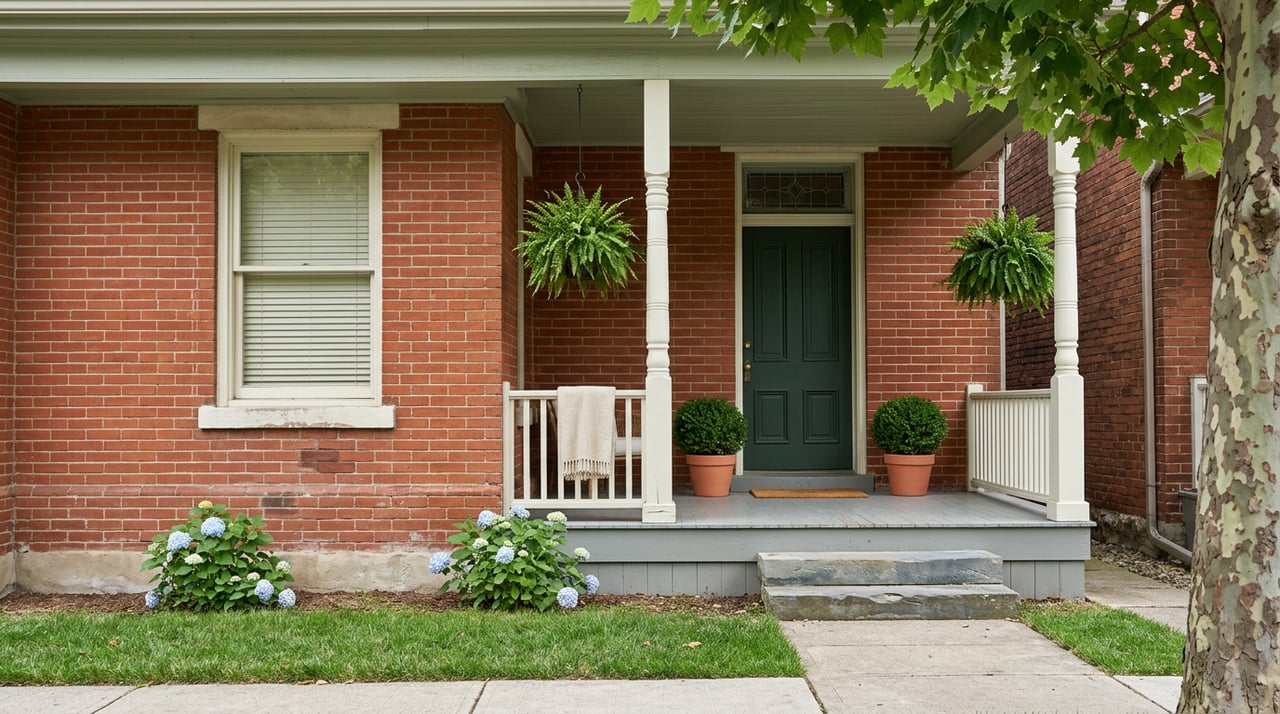
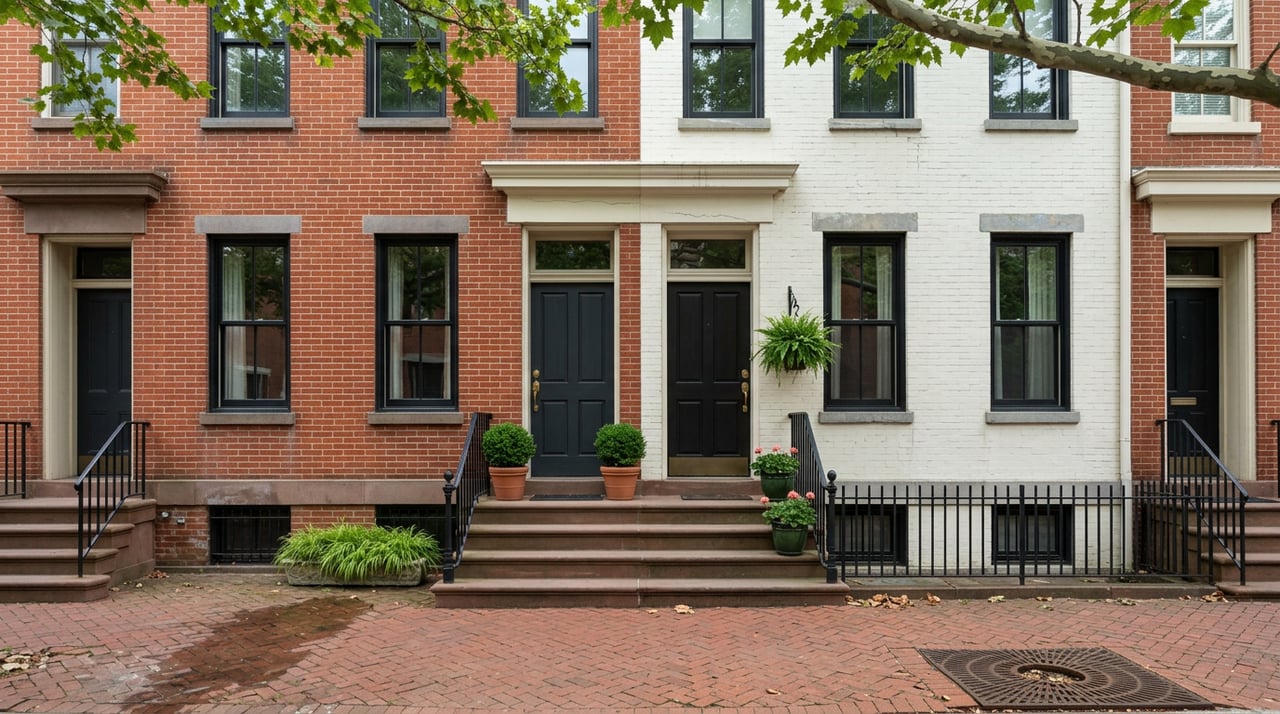
Bella Vista offers a mix of classic rowhomes and smaller condo buildings. Program rules can vary by property type, so it pays to compare early.
How PHFA can help Bella Vista buyers
PHFA partners with participating lenders to offer fixed-rate first mortgages and optional down payment assistance. Many programs include income and purchase price limits, plus a primary residence requirement. You can review current eligibility and program details on the PHFA website.
- First mortgage: usually a 30-year fixed loan originated by an approved lender under PHFA program rules.
- Down Payment Assistance (DPA): often a low- or zero-interest second loan. Some DPA is deferred or forgivable over time. Confirm whether there are occupancy or recapture terms.
- Eligibility checks: verify household income limits and property price ceilings for Philadelphia, and confirm minimum credit score guidance with your lender.
Ask a PHFA-participating lender early to confirm which PHFA products you qualify for and how DPA would be structured at closing.
The Mortgage Credit Certificate (MCC)
An MCC can reduce your federal income tax liability by a percentage of the mortgage interest you pay each year. That credit can improve how you qualify and lower your effective net cost of ownership. MCCs have specific rules and must be issued at closing by an approved provider. Review current guidance on PHFA’s site, and ask your lender whether an MCC is available with your loan.
City and nonprofit grants you can layer
Philadelphia and local nonprofits periodically offer grants, forgivable loans, or program support for qualifying buyers. Funds and rules change, so check for updates on phila.gov and PHDC. In some cases, you can layer city or nonprofit assistance with PHFA DPA if program rules allow.
- Layering rules: some grants count as borrower contribution while others are non-repayable assistance. Your lender will determine how each source is treated.
- Timing: most grants require documentation before closing. Start applications early and coordinate with your lender.
- Housing counseling: local HUD-approved agencies can help you prepare paperwork and understand eligibility. Find providers via HUD’s counseling directory.
Lender credits explained
A lender credit reduces your closing costs by increasing your interest rate. It can be a smart tradeoff if you want to conserve cash at closing or plan to sell or refinance within a few years. For long-term holds, paying points to lower your rate might cost less over time.
- Ask your lender for a side-by-side showing rate, payment, credit amount, and total interest over a chosen time horizon.
- Confirm any limits on lender credits with your PHFA or city grant program.
- Review your official Loan Estimate and Closing Disclosure to see the credit and rate reflected. The CFPB’s mortgage shopping resources are helpful when comparing offers.
Condo vs. rowhome: what changes in Bella Vista
Condos and rowhomes can both work with PHFA and grants, but underwriting looks different.
Condos
- HOA dues are counted in your debt-to-income ratio. Lenders will verify dues and any recurring assessments.
- Some programs require condo project approval or documentation on reserves, insurance, litigation, and owner-occupancy.
- Ask for association documents early so your lender can verify eligibility.
Rowhomes
- Typically simpler because there is no condo project review.
- Many Bella Vista rowhomes are older, so be prepared to address appraisal or repair items before closing.
If using PHFA and planning to buy a condo, confirm project eligibility before you write an offer.
Two quick scenarios (hypothetical)
These simplified examples show how assistance can affect cash to close and monthly cost. Exact terms vary. Always confirm current rules and pricing with your lender and program providers.
Example A: Bella Vista condo
- Purchase price: $300,000
- PHFA first mortgage with PHFA DPA, plus MCC
- Lender credit of $2,500 in exchange for a slightly higher rate
- Result: lower cash due at closing from DPA and lender credit, slightly higher monthly payment due to the higher rate, and MCC reduces federal tax owed, which can help overall affordability. Condo must meet program eligibility.
Example B: Bella Vista rowhome
- Purchase price: $350,000
- PHFA mortgage with a forgivable DPA applied to closing costs
- No lender credit; buyer pays points to reduce the interest rate
- Result: lower monthly payment due to the reduced rate, modest cash to close with DPA, and no condo project review. Appraisal may require repairs on older homes before closing.
Step-by-step: get preapproved and organized
Preapproval is stronger than prequalification because your lender verifies income, assets, and credit.
- Gather documents: ID, Social Security number, recent pay stubs, W-2s or tax returns, and bank statements.
- Talk with a PHFA-participating lender and ask about DPA and MCC eligibility.
- If you plan to use city or nonprofit grants, start those applications early and confirm how funds can be used.
- Schedule a session with a HUD-approved housing counselor for education and help coordinating layers of assistance. Use the HUD counselor directory.
- Request written comparisons that show rate, payment, lender credits or points, and total costs over time.
What to ask your lender and team
- Which PHFA products am I eligible for based on my income and price target in Philadelphia?
- Is the DPA a second loan, and is it deferred or forgivable? What are the occupancy or recapture rules?
- Am I eligible for an MCC, and how would that affect qualifying?
- If I choose a condo, will the project meet program and lender requirements?
- Can I layer city or nonprofit assistance with PHFA, and how will it appear on the closing statement?
- What is the tradeoff between lender credits and points for my time horizon?
Local resources and next steps
- PHFA programs and participating lenders: review offerings and find lenders on the PHFA website.
- City and PHDC: explore current homebuyer assistance options on phila.gov and PHDC.
- HUD counseling: schedule a session through HUD’s directory to map out your plan.
- Mortgage shopping guidance: compare offers with resources from the Consumer Financial Protection Bureau.
Ready to explore Bella Vista with a clear financing plan? Reach out for a local strategy session that ties your budget to actual properties on the market and a step-by-step path to closing. Connect with Frank Genzano to get started.
FAQs
What is PHFA and how does it help first-time buyers in Bella Vista?
- PHFA partners with lenders to offer fixed-rate mortgages, down payment assistance, and MCCs that can reduce upfront costs and improve affordability for eligible Philadelphia buyers.
Can I combine PHFA down payment help with a Philadelphia city grant?
- Often yes, but layering rules vary by program. Your lender and the grant provider must approve how funds are used and documented at closing.
How do lender credits affect my mortgage over time?
- Lender credits lower cash needed at closing by increasing your interest rate, which raises long-term interest costs. Ask for side-by-side comparisons before choosing.
Are Bella Vista condos treated differently in underwriting?
- Yes. Lenders consider HOA dues in your debt-to-income ratio and may require condo project approval and documentation on reserves, insurance, and litigation.
What documents do I need for a strong mortgage preapproval?
- Expect to provide ID, Social Security number, recent pay stubs, W-2s or tax returns, bank statements, and details on other income or large deposits.
Can an MCC reduce my monthly payment directly?
- An MCC is a federal tax credit that lowers your annual tax liability, which can improve qualifying and net affordability, but it does not reduce your mortgage payment due each month.