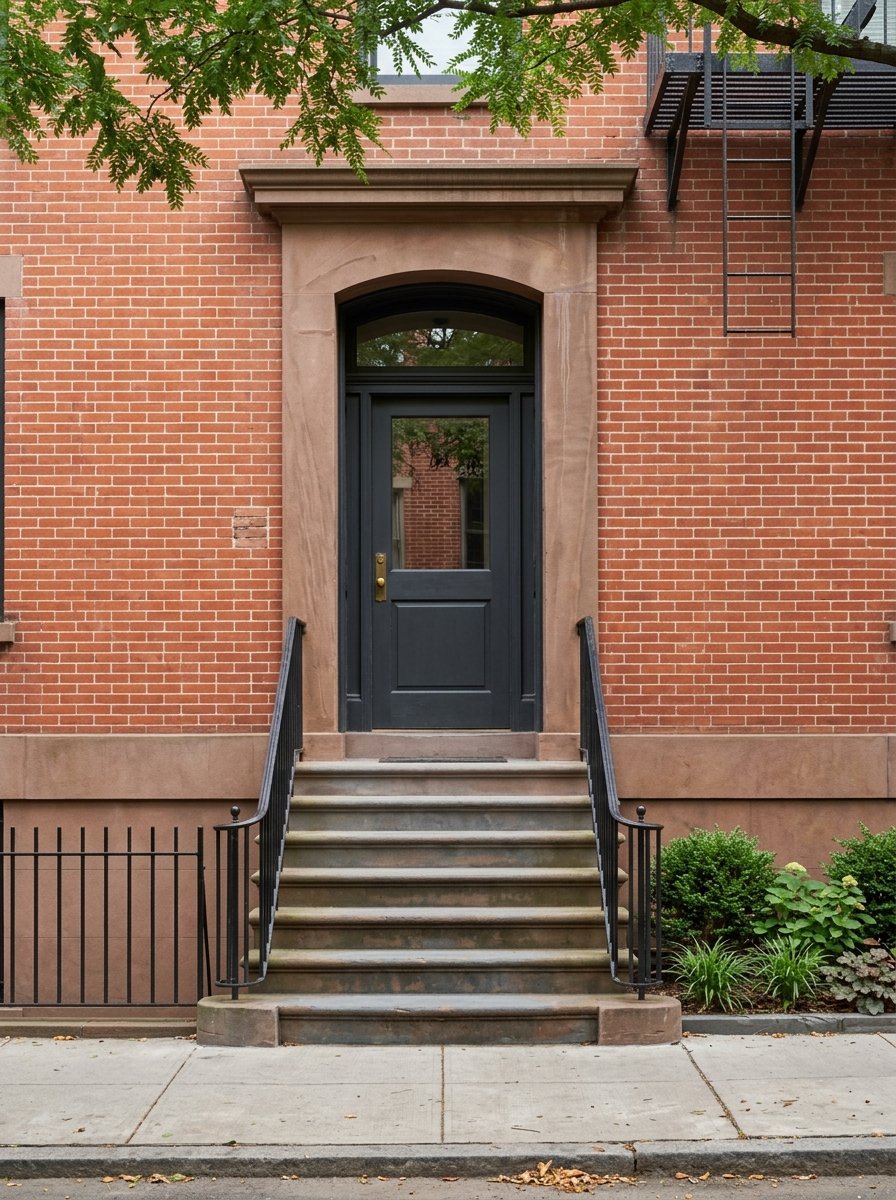
Buying your first home in Philadelphia can feel like a balancing act. You want a neighborhood that fits your daily life, but you also need a price point and monthly payment that make sense. If Graduate Hospital is on your list, you are probably drawn to its central location, walkability, and classic city housing options. This guide will help you understand what first-time buyers should know about pricing, property types, monthly costs, and local assistance in Graduate Hospital. Let’s dive in.
Why Graduate Hospital stands out
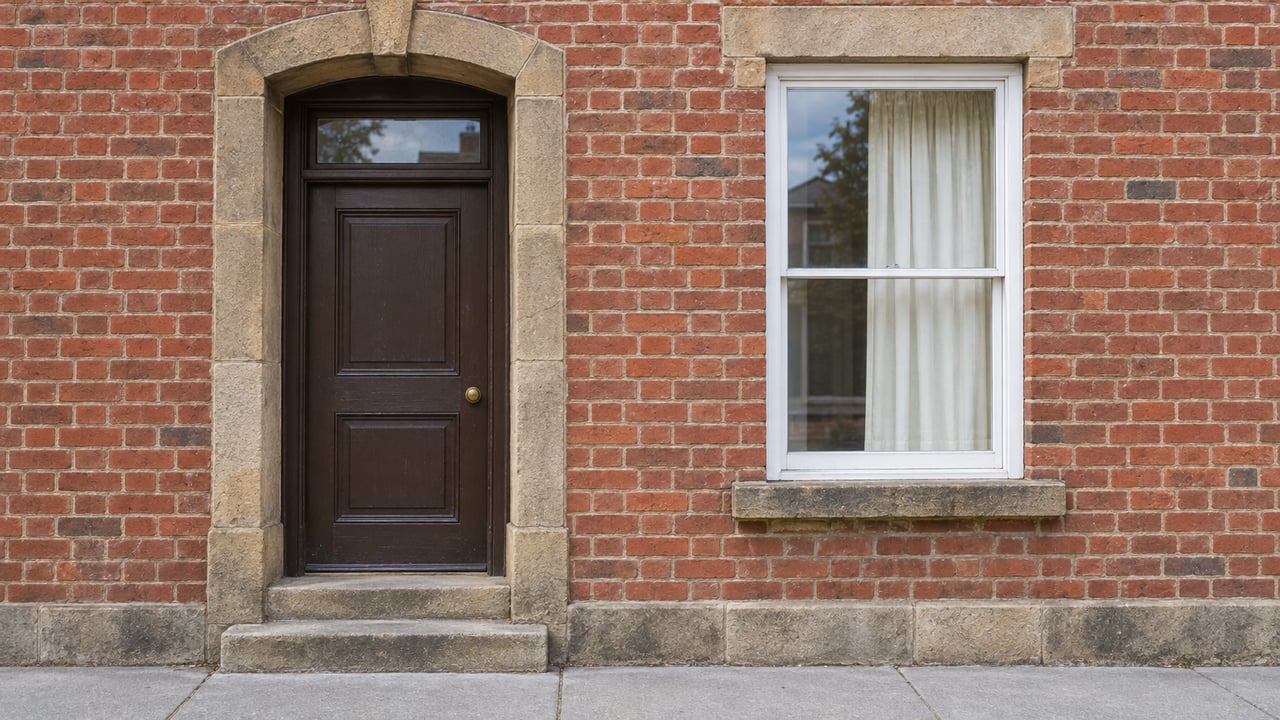
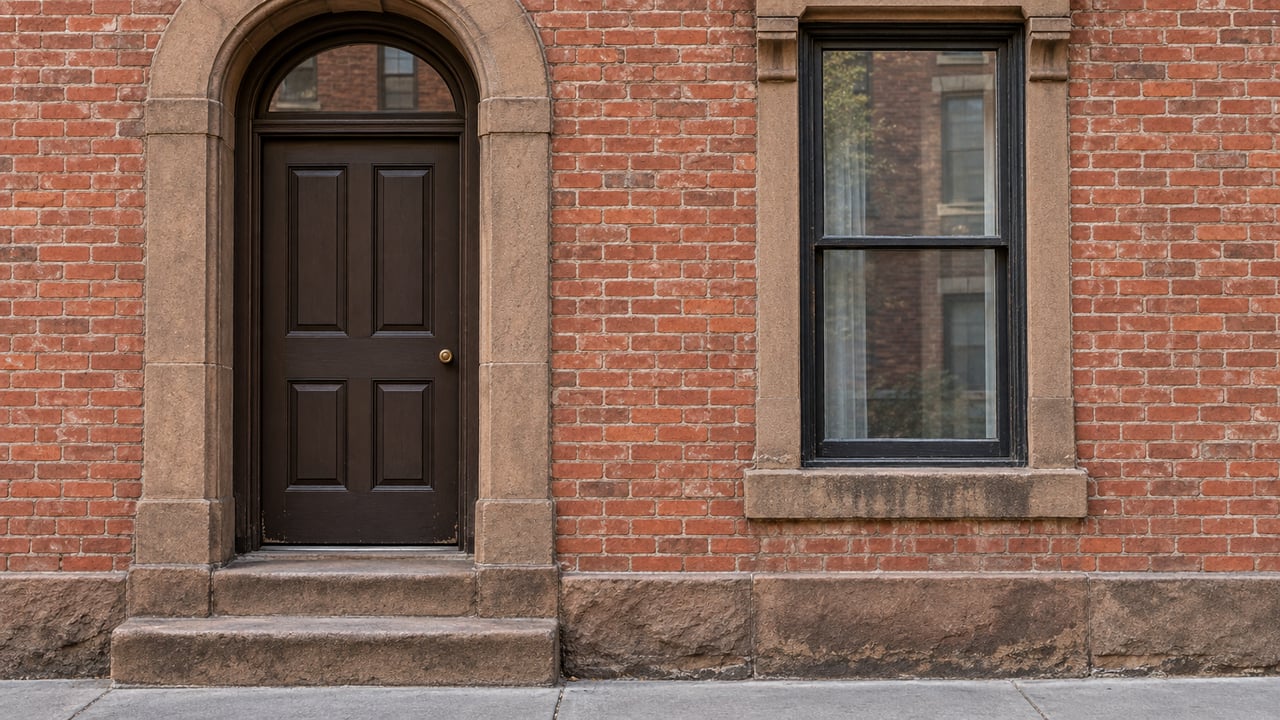
Graduate Hospital, sometimes called Southwest Center City, sits south of South Street and west of Broad Street. For many first-time buyers, that location is a big part of the appeal because it keeps you close to Center City while still offering a neighborhood feel.
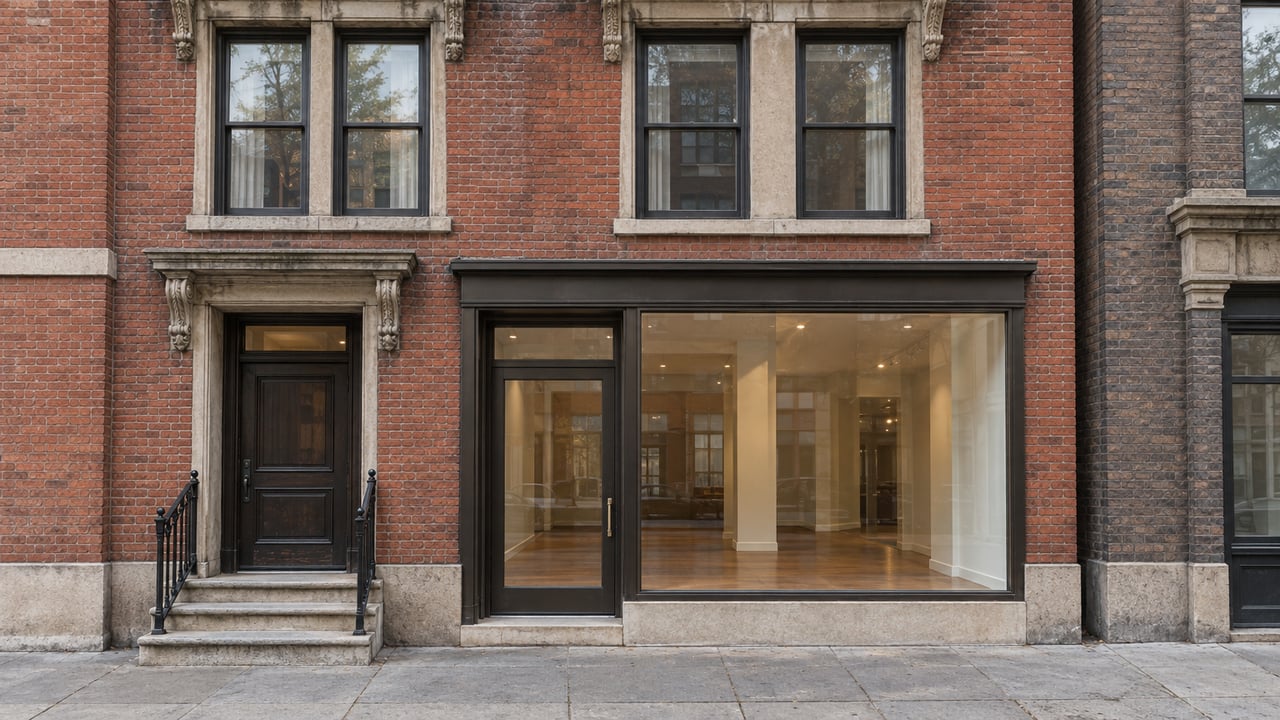
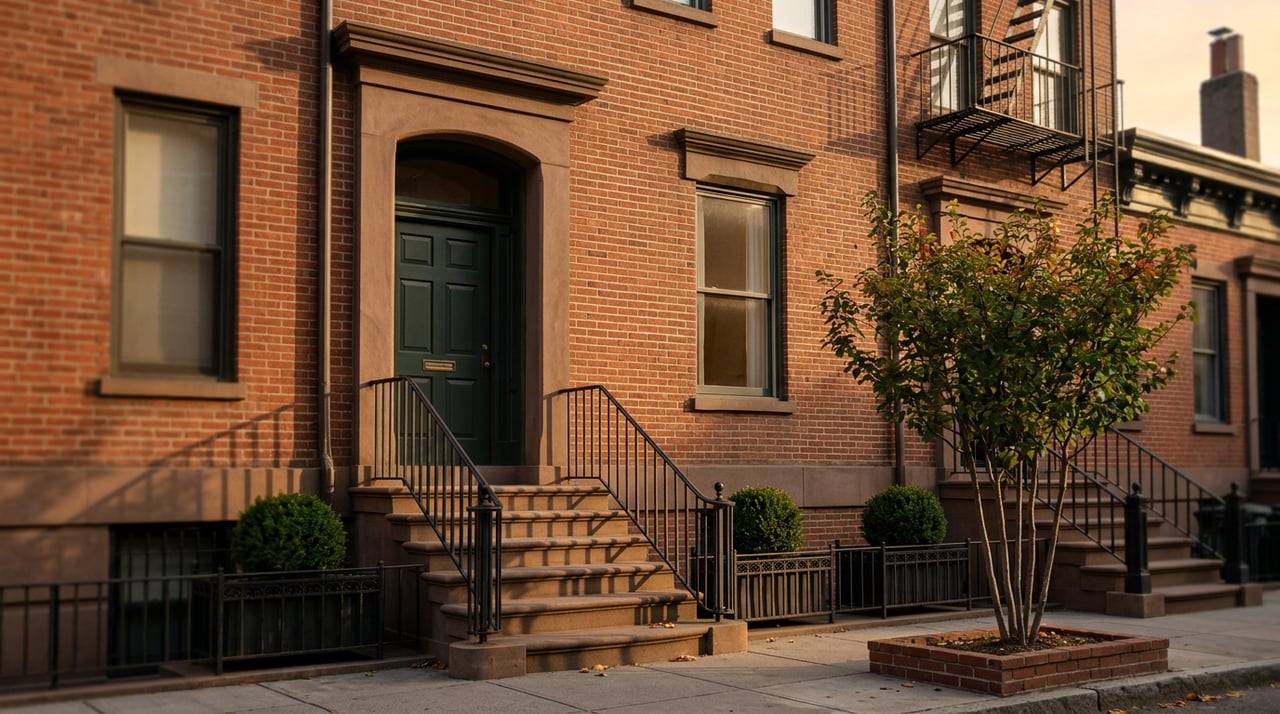
It is also a very walkable area with a mix of historic rowhomes and modern shops. Transit access is another plus, with service to the area through the Broad Street Line at Lombard-South and SEPTA bus routes 7, 12, and 40. If your day-to-day priorities include getting around without relying on a car for every trip, Graduate Hospital checks an important box.
What first-time buyers can expect
Graduate Hospital is not usually an entry-level market for large detached homes. The housing mix leans much more toward condos and townhomes, which matters when you start narrowing down what your budget can realistically buy.
Recent market-portal data shows far more condos and townhouses than detached options. In one recent month, there were 27 condos, 112 townhouses, and 2 multi-family listings in the neighborhood's 2-bedroom housing mix. The area also carries a Walk Score of 95, which helps explain why demand stays steady.
Most common starter-home options
For many first-time buyers, the real entry point into Graduate Hospital is a smaller condo. Current listing examples show 1-bedroom condos in roughly the high-$200,000s to low-$300,000s, while 2-bedroom condos often land in the mid-$300,000s.
If you are hoping for a rowhome or townhome, you will often need a higher budget. Many updated homes, homes with parking, or newer construction properties move into the mid-$400,000s and above. That does not mean there are no opportunities below that point, but it does mean your expectations should match the neighborhood's pricing reality.
Understanding current price trends
Graduate Hospital remains a competitive market, but it is not always a lightning-fast one. Realtor.com's April 2026 snapshot showed 131 homes for sale, a median listing price of $662,000, a median of 25 days on market, and buyers typically paying 99% of asking price.
Redfin's March 2026 sold data showed a median sale price of $633,300. In its 2-bedroom segment, homes were typically on the market for 34 days and received about 2 offers. Taken together, that suggests you should be prepared to move when the right home appears, but you may still have room for careful decision-making.
A realistic first-time buyer budget
If you are buying your first home in Graduate Hospital, a realistic entry point is often around $275,000 to $375,000 for a smaller condo. That price range may give you access to more manageable options without stretching into larger rowhome pricing.
Many desirable townhomes and rowhomes start closer to the mid-$400,000s and can go much higher. This is one reason buyers in Graduate Hospital often have to decide early whether they value space, lower monthly cost, or location most.
Look beyond the list price
One of the biggest mistakes first-time buyers make is focusing only on the purchase price. In Graduate Hospital, that can be especially risky because monthly ownership costs can vary a lot depending on the property type.
According to the Consumer Financial Protection Bureau, your total monthly housing payment should include principal, interest, taxes, mortgage insurance if applicable, homeowner's insurance, flood insurance if needed, utilities, maintenance, and HOA fees. That full-payment view matters more than ever when you compare a condo to a rowhome.
Condo and HOA fees matter
If you are considering a condo, make sure you understand the monthly association fee before you fall in love with the unit. These dues are usually paid directly to the association rather than bundled into your mortgage payment.
They can also vary widely. Current listing examples in Graduate Hospital show fees as low as $96 per month and as high as $300, with some larger communities showing examples around $217 and $530. Depending on the building, those fees may help cover exterior and common-area maintenance, water, sewer, trash, insurance, and reserve funding.
Why two similar prices can feel different
A $300,000 condo with a sizable HOA fee may cost more each month than a slightly higher-priced home with no association dues. That is why it helps to compare homes based on total monthly payment, not just sticker price.
Closing costs matter too. The CFPB says closing costs often run about 2% to 5% of the purchase price, and loans with less than 20% down usually require mortgage insurance. For first-time buyers, these added costs can change what feels comfortable very quickly.
Financing a condo in Graduate Hospital
Condos can be a smart first step into a neighborhood like Graduate Hospital, but financing them can involve extra review. Lenders do not just evaluate you. They also look closely at the condo community itself.
Fannie Mae says lenders may review the building's physical condition, financial stability, reserves, lawsuits, special assessments, and overall warrantability. FHA financing can add another layer, because the condo project must be FHA-approved or the unit must qualify for a single-unit approval.
This does not mean condo financing is a bad option. It simply means you should be ready for more questions and a little more paperwork, especially in smaller buildings or communities with unusual ownership structures.
First-time buyer assistance to know
If you are exploring grants or down payment help, local program details matter. In Philadelphia, the Philly First Home program can offer up to $10,000 or 6% of the purchase price, whichever is less, for eligible first-time buyers who complete counseling before signing the agreement of sale.
There is one important catch for Graduate Hospital buyers looking at condos. Philly First Home is not available for condominiums. Since condos are often the most realistic entry point in this neighborhood, that detail can have a big impact on your planning.
Other Pennsylvania options may still help
PHFA programs may still be worth exploring if you are buying a condo or another eligible property type. The research provided notes programs including Keystone, Keystone Government, and K-FIT.
PHFA says K-FIT can provide 5% of the lesser of the purchase price or appraised value, forgiven over 10 years. PHFA also offers a $300 closing-cost credit for in-person pre-purchase counseling completed before the agreement of sale. For many first-time buyers, that makes early planning especially important.
Rent vs. buy in Graduate Hospital
The rent-versus-buy decision in Graduate Hospital is very payment-sensitive. Realtor.com reports a neighborhood median rent of about $2,076 per month, which means buying may or may not beat renting on a monthly basis once you factor in HOA dues, taxes, insurance, and maintenance.
That is why this neighborhood tends to work best for buyers who prioritize walkability, transit access, and a central Philadelphia location over chasing the lowest possible monthly cost. If lifestyle and location are high on your list, Graduate Hospital may still make strong sense. You just want to go in with clear numbers.
How to shop smart here
Your best strategy is to define your non-negotiables before you tour too many homes. If your top goal is staying in a certain payment range, a smaller condo may be the clearest path. If you want more space or fewer monthly fees, you may need to raise your budget or expand your search criteria.
It also helps to compare homes through a very local lens. In a neighborhood like Graduate Hospital, pricing can shift based on block, condition, parking, building setup, and whether the property is a condo or a fee-simple rowhome. A neighborhood-first approach helps you move faster and make cleaner decisions.
The bottom line for first-time buyers
Graduate Hospital can be a great fit if you want a walkable, transit-connected neighborhood close to the heart of Philadelphia. For many first-time buyers, the most realistic starting point is a condo in roughly the $275,000 to $375,000 range, while rowhomes and townhomes often require a larger budget.
The key is to budget around the full monthly cost, not just the sale price. When you understand HOA dues, financing rules, closing costs, and local assistance limits before you make an offer, you put yourself in a much stronger position to buy with confidence.
If you want neighborhood-specific guidance on what your budget could realistically buy in Graduate Hospital, Frank Genzano can help you compare options, understand the numbers, and make a smart first move.
FAQs
What type of home can a first-time buyer usually afford in Graduate Hospital?
- In many cases, first-time buyers enter the neighborhood through a smaller condo, often around $275,000 to $375,000, while rowhomes and townhomes frequently start higher.
How competitive is the Graduate Hospital housing market for first-time buyers?
- Recent data suggests a competitive market with buyers often paying about 99% of asking price, though homes are not always selling instantly and some 2-bedroom homes receive around 2 offers.
Are condo fees common in Graduate Hospital for first-time buyers?
- Yes. Condo and HOA fees are common, and current listing examples show they can range from under $100 per month to several hundred dollars depending on the property and amenities.
Can first-time buyers use Philly First Home for a Graduate Hospital condo?
- No. Based on the city program details in the research provided, Philly First Home is not available for condominiums.
What should first-time buyers budget beyond the purchase price in Graduate Hospital?
- You should budget for principal, interest, taxes, insurance, mortgage insurance if applicable, utilities, maintenance, closing costs, and any HOA or condo fees.
Is Graduate Hospital a good fit for buyers who do not want to rely on a car?
- It can be. The neighborhood is known for strong walkability and access to SEPTA service, including the Broad Street Line and several bus routes.