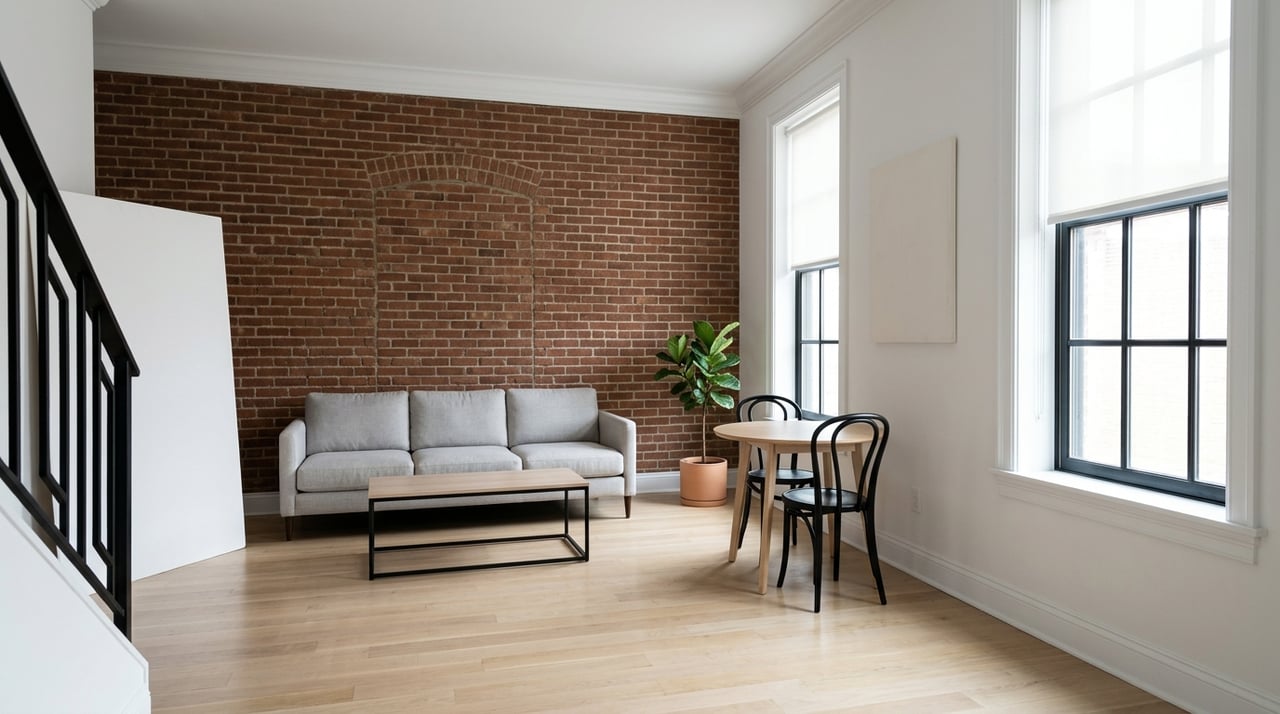
If you’re thinking about selling a condo in Fairmount, you’re probably wondering how this market really works right now. Condo sales can feel a little different from selling a rowhome because buyers often look just as closely at the building, monthly fees, and shared amenities as they do the unit itself. The good news is that with the right pricing, presentation, and paperwork, you can set clear expectations and avoid a lot of last-minute stress. Let’s dive in.
Fairmount Condo Sellers Need a Different Playbook
Fairmount attracts buyers who want a central Philadelphia location with easy access to cultural attractions, tree-lined streets, and a bikeable setting. At the same time, the neighborhood is known for parking being a bit difficult, which means features like parking, storage, and outdoor space can carry extra weight when your unit has them.
That matters because condo buyers in Fairmount are often weighing lifestyle tradeoffs very carefully. They are not only comparing your kitchen or floor plan. They are also comparing the building, the fee structure, and the convenience your unit offers day to day.
What the Fairmount Market Suggests
Recent market data shows Fairmount as a somewhat competitive market. Over the three months ending April 2026, the median sale price was $514,809, homes sold in 39 days on average, and the typical sale closed at 98.4% of list price.
Those numbers are helpful, but condo sellers should be careful not to lean too heavily on a neighborhood-wide median. In Fairmount, pricing can vary a lot from one building to another based on condition, layout, amenities, and monthly dues. That is why building-level and unit-level comparisons matter more than the neighborhood name alone.
Redfin also reports that average homes in Fairmount sell about 1% below list price, while hot homes can go about 1% above list. For you as a seller, that points to a realistic takeaway: smart pricing still matters, and overpricing can make buyers hesitate in a condo segment where they are already looking closely at value.
Pricing Depends on Your Building and Unit
Recent Fairmount-area condo sales show a wide spread in pricing:
- 1910 Fairmount Ave Unit 2R sold for $250,000 in April 2026
- 1527 Fairmount Ave Unit 2R sold for $320,000 in April 2026
- 2601 Pennsylvania Ave #648 sold for $274,900 in May 2026
- 1627 Fairmount Ave Unit B sold for $550,000 in March 2026
That range is exactly why a pricing strategy should start with close matches, not broad averages. A one-bedroom in a smaller building may compete very differently from a larger three-bedroom with more square footage and a stronger amenity package.
There is also a useful building-level pattern at 2601 Pennsylvania Ave, where multiple two-bedroom sales in 2025 and 2026 fell roughly between $222,000 and $285,000. That tells you something important: buyers often assign value based on the reputation, fee structure, and finish level of a specific building, not just the Fairmount ZIP code.
Features Buyers Notice Most
In this part of Philadelphia, presentation matters. Recent sold listings repeatedly highlighted features such as updated kitchens, natural light, roof decks, and in some cases parking or gated parking.
That pattern suggests buyers are responding to a full package. They want a home that looks move-in ready, but they also want features that make Fairmount living easier and more enjoyable.
If your condo has any of the following, make sure they are clearly positioned in your sale strategy:
- Updated kitchen or baths
- Strong natural light
- Roof deck or private outdoor space
- Parking or gated parking
- Extra storage
- Loft character such as high ceilings or exposed beams
- Skyline or open views, if applicable
A loft-style sale at the Brewery Condominiums helps show how buyers can value historic character plus hard-to-find amenities. That unit was marketed with exposed beams, high ceilings, a roof deck, skyline views, and gated parking, all details that support how much feature mix can shape buyer interest.
Expect Questions About HOA Details
One of the biggest differences in a condo sale is how much buyers want to know about the association. In today’s condo market, many buyers are paying close attention to HOA fees, insurance costs, reserves, and the possibility of special assessments.
That caution lines up with broader condo trends. Nationally, condo buyers have become more price-sensitive, and many are scrutinizing dues and negotiation room more closely. In Fairmount, that means your building records and resale documents can have a real effect on buyer confidence.
Under Pennsylvania’s Uniform Condominium Act, the resale certificate must cover a number of key topics, including:
- Monthly common expense assessments and unpaid balances
- Other fees
- Planned capital expenditures
- Reserve balances
- Recent financial statements
- Current budget
- Judgments or pending suits
- Insurance coverage
- Known violations or hazardous conditions
- Master-association status, if applicable
If buyers see clean, organized information, the transaction usually feels more straightforward. If records are unclear or delayed, it can slow momentum and raise more follow-up questions.
Get Your Documents Ready Early
For Fairmount condo sellers, paperwork should start early, not after your listing goes live. Pennsylvania requires a seller of real property to provide a signed property disclosure statement covering known material defects before the agreement of transfer is signed.
For condos, that disclosure is separate from the HOA package. In other words, your property disclosure does not replace the association documents your buyer will need to review.
Under Pennsylvania law, the association has up to 10 days after your request to furnish the resale certificate. The buyer can void the contract until the certificate is delivered and for five days afterward, or until conveyance, whichever comes first.
That timing is a big reason to get ahead of the paperwork. If you wait too long to request documents, you risk delays during a period when buyers are deciding whether to move forward.
Prepare for a More Careful Buyer
Today’s condo buyer often comes in with a longer checklist than you might expect. Beyond your asking price, they may look closely at monthly dues, reserve strength, building maintenance, insurance coverage, and whether any larger projects are coming up.
This does not mean buyers are unwilling to move forward. It means they want fewer surprises. The more clearly your condo is presented, both visually and on paper, the easier it is for a buyer to feel comfortable making an offer.
That is where strong listing preparation can help. Clear pricing, thoughtful staging advice, polished photography, and organized condo documents all support the same goal: reducing uncertainty.
Timeline: What Selling May Look Like
Every sale is different, but a Fairmount condo sale often follows a pattern like this:
- Review recent building-level and neighborhood comps
- Request HOA and condo resale documents early
- Complete the Pennsylvania property disclosure statement
- Prepare the unit for photos and showings
- Launch with a pricing strategy tied to true comps
- Negotiate not only price, but also timing and condo-related terms
- Move through buyer document review and closing
Based on recent Fairmount market data, homes sold in 39 days on average over the three months ending April 2026. Your timeline may be shorter or longer depending on price point, condition, building appeal, and how your monthly fees compare with nearby options.
Don’t Forget Closing Costs
At closing, Philadelphia’s realty transfer tax is due when the deed is recorded. The current total rate is 4.578% of the sale price or assessed value plus any assumed debt, and the City says the tax is usually split evenly between buyer and seller, though that split is not legally required.
This is one of the numbers you will want to plan for early so there are no surprises when reviewing your net proceeds. For many sellers, understanding these costs upfront makes pricing and timing decisions much easier.
What Helps Fairmount Condo Sellers Most
If you want the short version, Fairmount condo sellers usually benefit most from three things: realistic pricing, polished presentation, and organized building documents. Those three pieces work together.
When your condo is priced from the right comps, presented around the features buyers already care about, and backed by clear HOA information, you give yourself a better shot at attracting serious buyers and keeping the deal together.
Selling a condo in Fairmount is not just about listing a unit. It is about telling a clear story about the home, the building, and the lifestyle, while giving buyers the confidence to act.
If you’re getting ready to sell and want a neighborhood-specific plan built around pricing, prep, and smart marketing, reach out to Frank Genzano for a clear next step.
FAQs
What should condo sellers in Fairmount price their unit based on?
- Fairmount condo pricing should be based on recent comparable sales that closely match your building, unit size, condition, and amenities, because prices can vary widely even within the same neighborhood.
What documents does a Fairmount condo seller need in Pennsylvania?
- A Fairmount condo seller in Pennsylvania generally needs a signed property disclosure statement plus condominium documents such as the declaration, bylaws, rules or regulations, and a resale certificate from the association.
How long does it take to get a condo resale certificate in Pennsylvania?
- Under Pennsylvania law, the association has up to 10 days after the owner’s request to provide the resale certificate.
What do buyers look for in Fairmount condos?
- Buyers shopping for Fairmount condos often pay close attention to updated kitchens, natural light, roof decks, parking, storage, and the overall building fee and amenity package.
How long do homes take to sell in Fairmount, Philadelphia?
- Over the three months ending April 2026, homes in Fairmount sold in 39 days on average, though your condo’s timing can vary based on price, condition, and building-specific factors.
What closing tax should Fairmount condo sellers expect in Philadelphia?
- Philadelphia charges a realty transfer tax at closing, with a current total rate of 4.578% of the sale price or assessed value plus any assumed debt, and it is usually split evenly between buyer and seller.