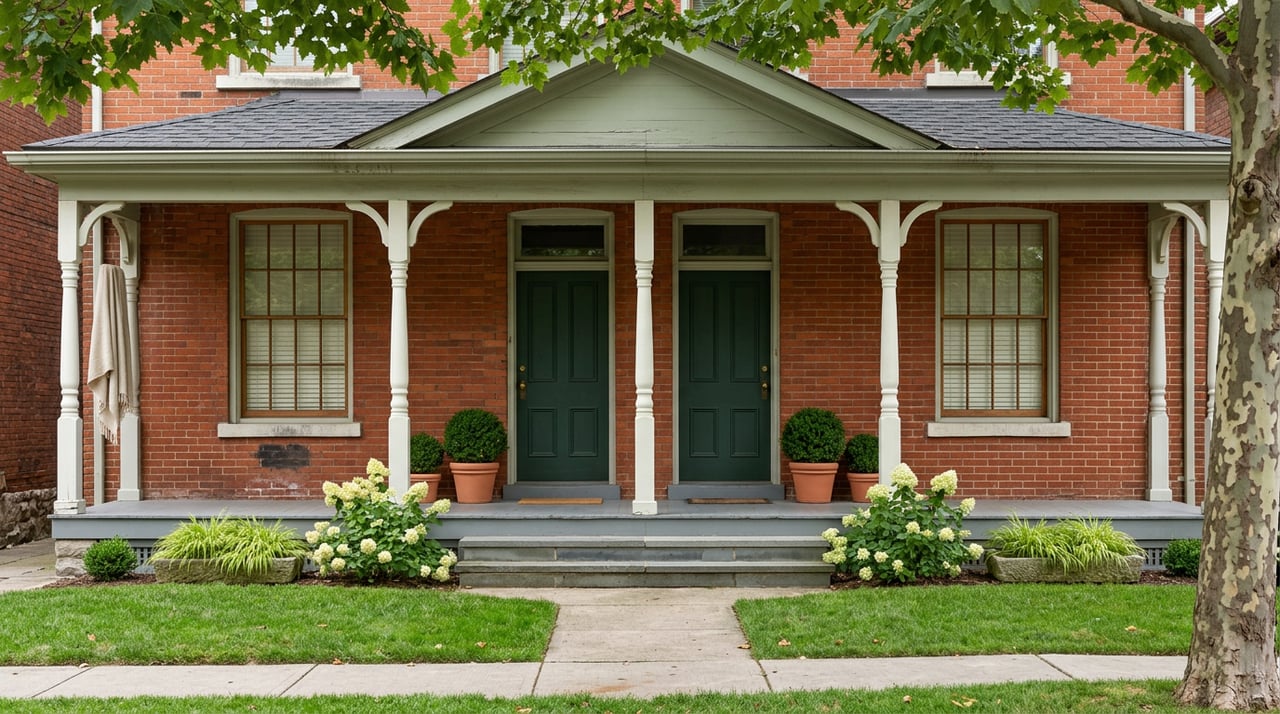
A buyer's contractor stands on the sidewalk in front of your Windrim twin, points at the second-floor windows, and asks your agent whether the vinyl replacements were approved. Your agent does not know. Neither do you. The buyer's lender wants an answer before the appraisal comes back. That single question, asked on a Tuesday, can push settlement two months. It is the friction that decides most Girard Estate sales, and almost no one prices for it.
The Girard Estate Historic District is one of the very few South Philadelphia neighborhoods where the Philadelphia Historical Commission reviews every exterior change before a permit issues. Locally designated in 1999, the district covers roughly 480 twin homes built between 1906 and 1916 on land from Stephen Girard's estate, laid out between Shunk and Porter and 17th and 22nd. That protection is why the block looks the way it does. It is also why your sale runs on a different clock than the rowhouse blocks two streets outside the boundary.
The premium is the whole game
Redfin's March 2026 snapshot puts the Girard Estate Historic District median sale at $554,000, up 31.8% year over year at roughly $306 per square foot. The broader Girard Estates neighborhood, which stretches outside the local designation, showed a March 2026 median of $259,950 and a 11.9% decline over the prior year. Recent months have seen Historic District homes going under contract in about 36 days, close to asking.
Two neighboring markets. Roughly a 2x gap. That gap is not accidental, and it is not "charm." It is the twin-house typology, the tree canopy, and the fact that a buyer who closes on your block knows the house across the street cannot be torn down for a by-right infill build. PHC review is the mechanism that produces the premium.
| Market segment, March 2026 | Median sale | YoY change | Approx. $/sq ft |
|---|---|---|---|
| Girard Estate Historic District | $554,000 | +31.8% | $306 |
| Girard Estates (broader) | $259,950 | -11.9% | n/a |
If you sell without engaging the PHC layer cleanly, you are selling the second row of that table. Buyers and their agents can tell.
What PHC actually regulates on your block
The city's guidance is short and worth quoting directly. Per phila.gov, when a property sits on the Philadelphia Register:
If your property appears on the Philadelphia Register of Historic Places, you need approval from the Philadelphia Historical Commission to make changes to it... Most of its reviews concern changes to facades, roofs, and other exterior features. The commission only has jurisdiction over building interiors that appear on the register.
Standard maintenance is exempt. Scraping and painting wood trim, cleaning gutters, replacing clear glass with clear glass, gardening, and tree trimming all fall outside review. Anything that changes the exterior, including replacement in kind of a feature the Commission considers character-defining, needs sign-off before the building permit issues. Interior gut renovations that leave the facade alone do not.
The good news for a seller is speed at the staff level. PHC staff approves roughly 95% of applications, most within five days, and many by email. The problem is what happens when staff cannot approve. Projects referred to the Architectural Committee and full Commission add four to six weeks of monthly-meeting cycles, pushing total approval to six to ten weeks. The April 2026 PHC permit review log shows this exact rhythm playing out, with staff pre-approvals stamped through the month and referred items waiting for public hearings.
The four things that stall a Girard Estate sale
These are the items a competent buyer's agent will pull up during diligence. If any of them show up as retrofits without a PHC file behind them, expect a credit request or a request to remediate before closing.
1. Windows
The most common friction, by a wide margin. The Commission expects window replacements to match original profiles, usually in wood or wood-clad, with simulated divided lights where the original had true divides. Vinyl or aluminum replacements installed without approval are the single most-cited issue on district blocks. Alterations made before designation in 1999 are grandfathered, but the moment those grandfathered windows are replaced again, they trigger review.
2. Roof, gutters, and downspouts on street-visible slopes
The Windrim designs vary by block, and some feature slate or tile visible from Porter, Shunk, or the side streets. Composite replacements that read as slate can be approved, but the specification matters. Aluminum gutter color and profile are both reviewable when they sit on a visible cornice line.
3. Front door, porch, and iron
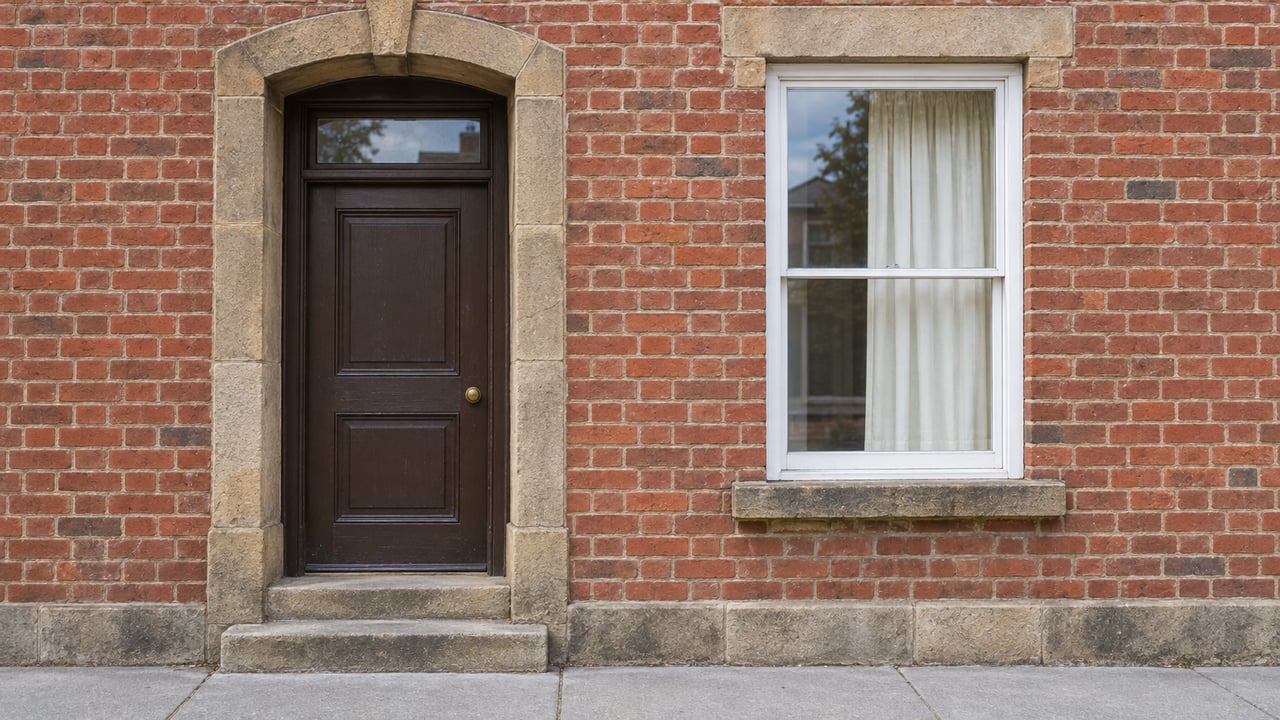
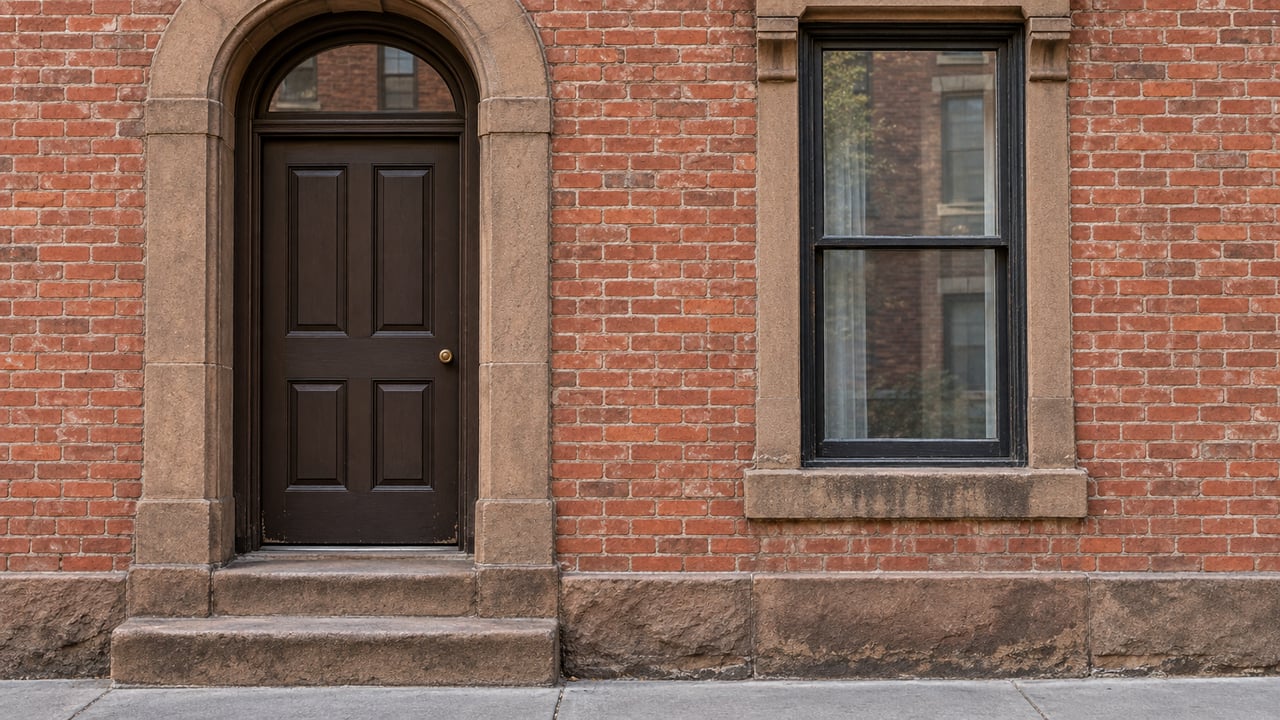
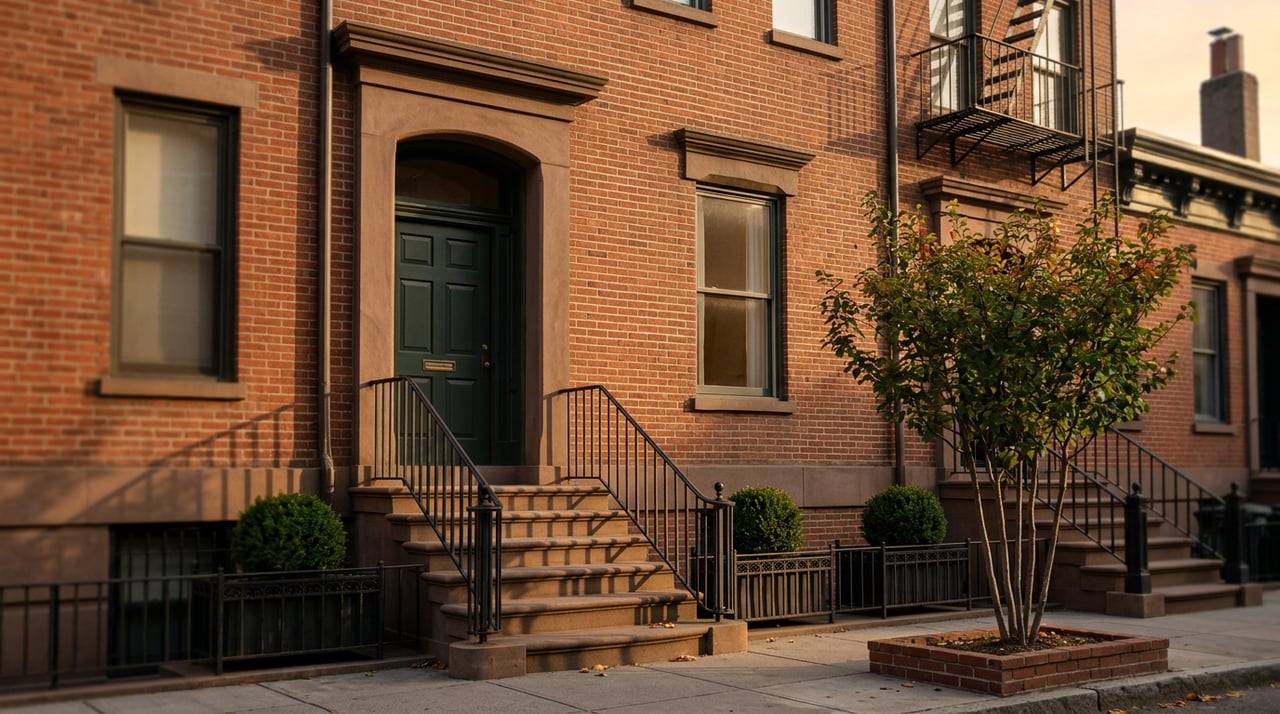
Doors, transoms, porch columns, railings, and steps on the visible facade are all in scope. Swapping a wood paneled door for a modern six-panel steel unit will be flagged. Sensible restoration to the original vocabulary is usually approved at the staff level in a week.
4. Rear additions, roof decks, and mechanical placement
Anything visible from the public right of way counts, even if it sits at the back of the lot. The April 2026 permit log includes multiple staff notes asking applicants to clarify where new HVAC condensers will land and whether front facade conduit is proposed. If you added a roof deck or a rear pop-up under a prior owner without a PHC file, that is your first pre-list conversation.
A pre-list sequence that respects the calendar
If you are 90 days from listing, treat PHC engagement as its own workstream, parallel to staging and photography.
- Pull the permit history for your address through the city's eCLIPSE system and read the PHC file. Confirm which exterior features are considered character-defining for your specific twin block. Windrim's designs were not uniform, and neither is the review standard.
- Walk the facade with a preservation-aware contractor. Identify anything that was replaced or added since 1999 without a permit or approval. Get an honest read on which items a buyer's inspector will notice from the sidewalk.
- For repairs you can do in kind and truly maintenance in scope, do them. Painting, glazing, tuckpointing with matching mortar, and clear-glass replacement do not require review.
- For anything replacement in kind, email [email protected] with photos and a scope. Staff-level review runs about five days when the file is clean. Getting a written approval into the listing folder is worth more at the negotiation table than the cost of the work itself.
- Reserve six to ten weeks of runway if any item is likely to reach the Architectural Committee. If you cannot spare that runway, price the friction into the strategy rather than the list price, and disclose openly.
The sellers who do this well close at the top of the district's range. The sellers who assume PHC is somebody else's problem watch buyers extract that same delta as a credit at the table.
The upside most sellers forget to price in
Historic designation is not only a constraint. Per the Commission's guidance for property owners, listed properties can qualify for by-right accessory dwelling units within the envelope of the existing house or an outbuilding, reduced parking requirements, and other zoning benefits that non-designated neighbors cannot access. Designation is also not a factor in property assessments, so the district's rising values are not producing a tax penalty tied to the historic status itself.
For the right buyer, especially one thinking about a long horizon or a rental unit carved from a rear structure, those benefits are a genuine part of the offer. Very few Girard Estate listings say so out loud. If yours does, and the file supports it, the story you are telling is different from the six comparable twins on Shunk that treat the designation as background noise.
FAQ
If a prior owner replaced windows without approval, am I on the hook to fix it before closing? Not automatically. Pre-1999 alterations are grandfathered. Post-designation work done without approval sits in a gray zone that gets resolved deal by deal. The leverage sits with whichever side is better prepared. If your listing folder contains a PHC email confirming the current condition is not actionable, you keep the leverage.
Does the historic district cover the whole Girard Estates neighborhood? No. The local designation covers a defined area, primarily the planned twin-home blocks between Shunk and Porter and 17th and 22nd. Adjacent blocks that residents also call Girard Estates are not under PHC review. That distinction is why the Redfin data for the two footprints diverges so sharply.
Can I do an interior renovation without PHC involvement? Yes, as long as the interior of your specific building is not separately designated, which almost no residential Girard Estate property is. Kitchen and bath work, floor refinishing, mechanical upgrades, and layout changes do not require review. Any work that changes the exterior, including through-wall vents or a new rear window opening, does.
What about the Quartermaster redevelopment nearby? The Quartermaster site south of Oregon Avenue was partially redeveloped into a retail plaza in the early 2020s, and the balance sold in 2024 for a science and technology campus on roughly 24 acres. That kind of near-neighbor investment is part of why Historic District pricing is behaving the way it is, and it is worth mentioning in a listing narrative that a buyer will read.
If you own inside the Girard Estate Historic District and you are thinking about a sale in the next twelve months, the PHC layer is not paperwork. It is the reason your home is worth what it is worth. Love City Group can walk your facade, read your permit file, and build a pre-list plan that protects the premium instead of surrendering it at the inspection. Get your free home valuation and let's talk about the specific block you are on.