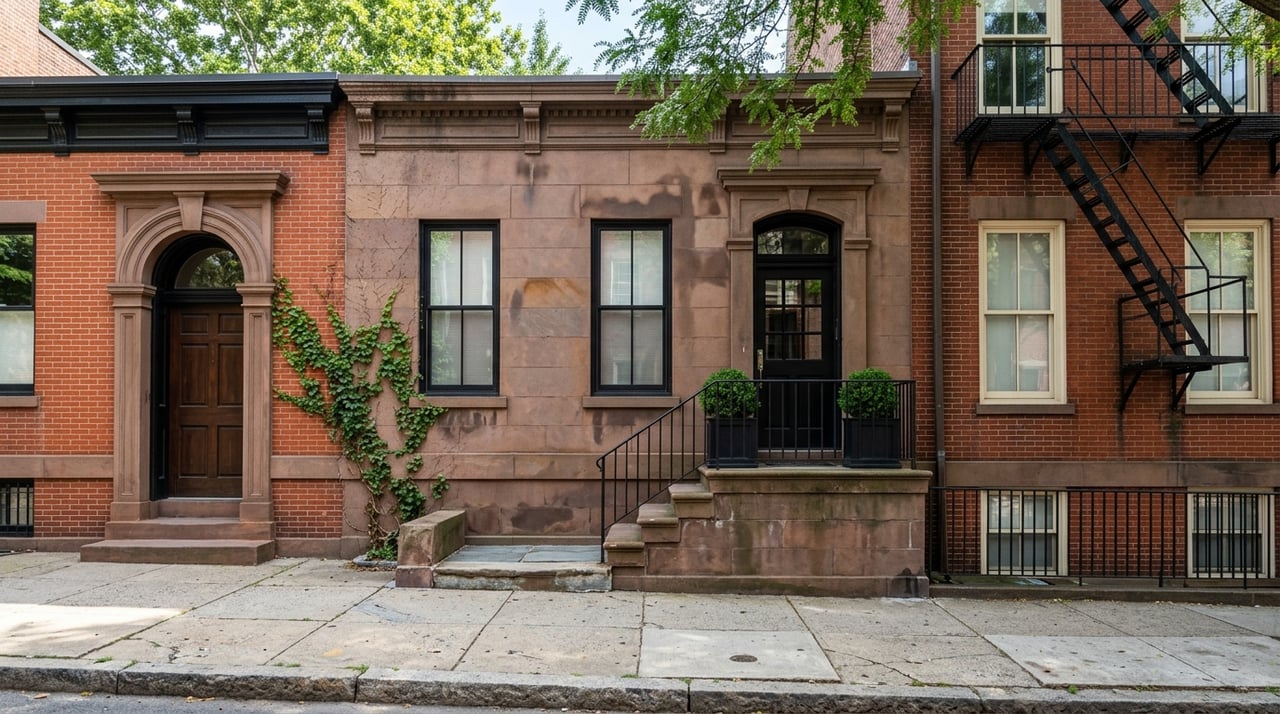
Wondering whether Fairmount or the Art Museum area is the right fit for your next home? You are not alone. Many buyers are drawn to this part of Philadelphia for its classic rowhome blocks, park access, cultural landmarks, and central location, but the labels can get confusing fast. This guide will help you understand how the area is commonly described, what kinds of homes you are most likely to find, what current price points look like, and how to think about block-by-block differences before you buy. Let’s dive in.
Fairmount and Art Museum Explained
If you have searched listings in this part of Philadelphia, you have probably seen both “Fairmount” and “Art Museum” used in similar ways. That is because they are connected, but not always used as exact boundary lines. Public-facing sources commonly describe Fairmount as also being called the Art Museum Area, while transit sources refer to the broader zone as the Fairmount/Art Museum Area.
For homebuyers, the safest way to think about it is this: the names overlap, but they do not always mean the exact same thing on every website or listing search. That matters because pricing, housing type, and street feel can shift from one section to the next. In practice, your search should focus less on the label alone and more on the specific block, building type, and nearby amenities.
Housing Style in Fairmount
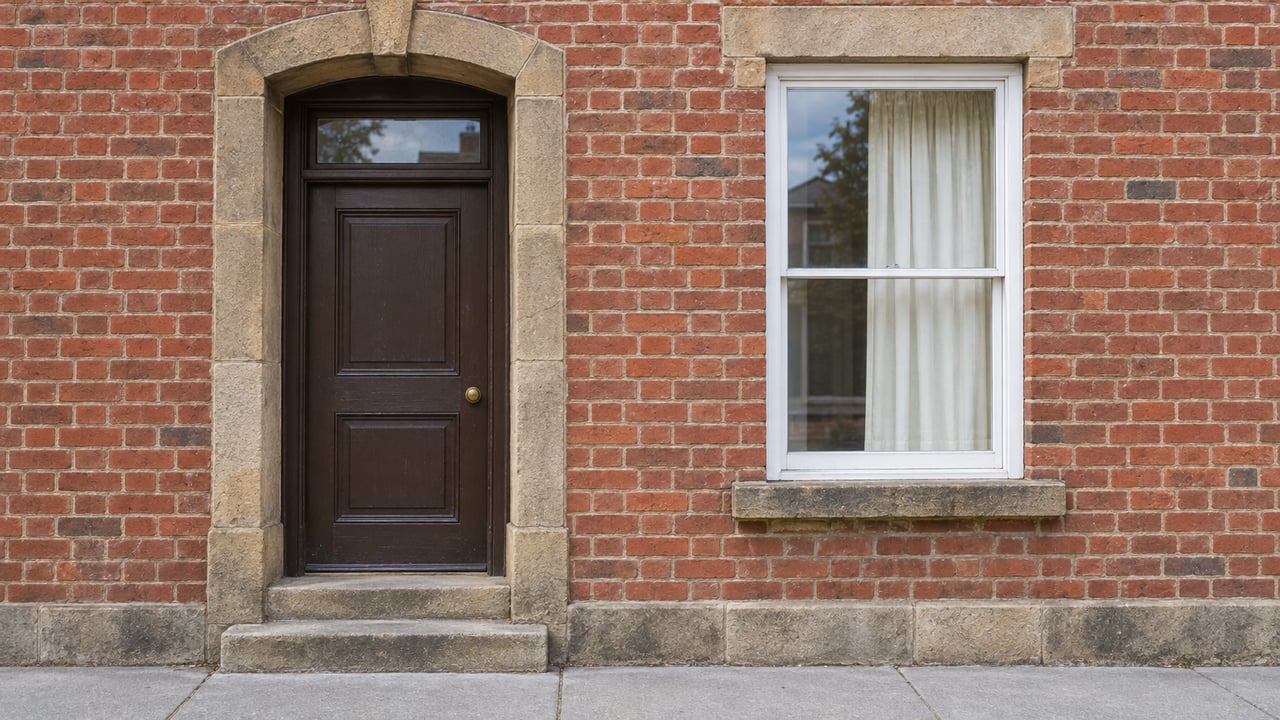
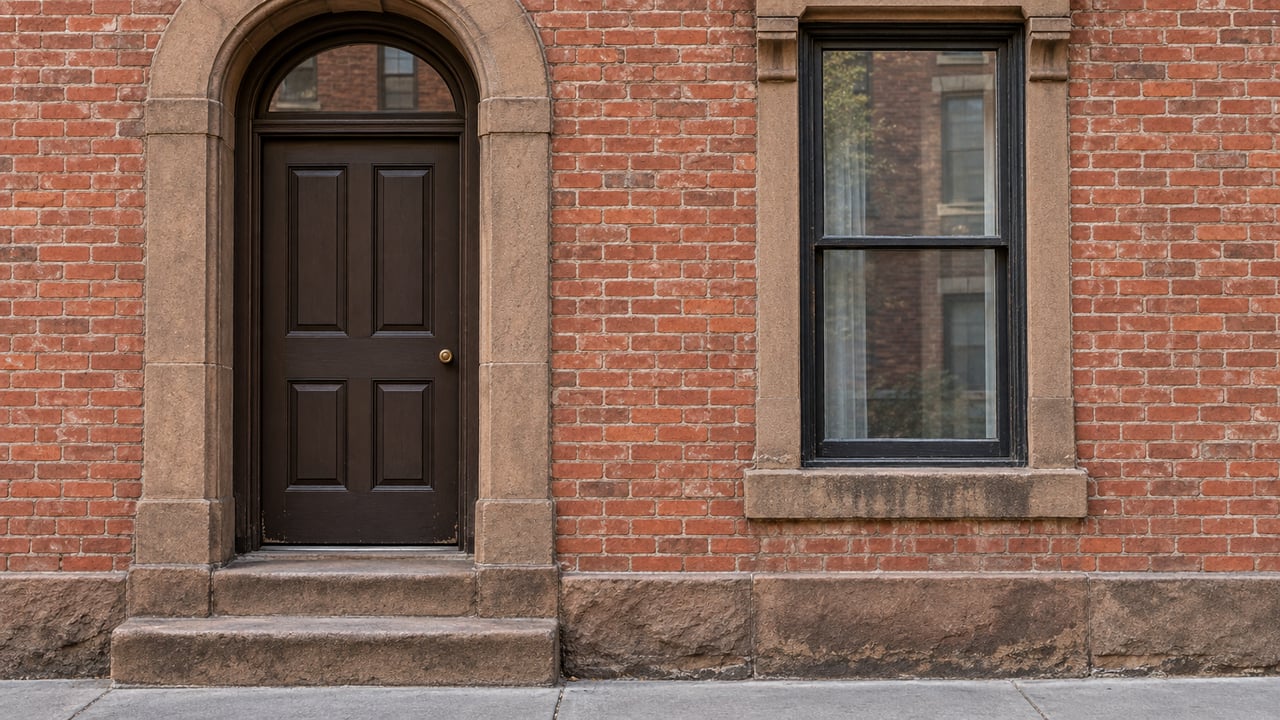
Fairmount is still, at its core, a rowhome neighborhood. Philadelphia is widely known for its rowhouse fabric, and Fairmount reflects that pattern clearly. Current inventory snapshots show far more townhouses than condos within Fairmount itself.
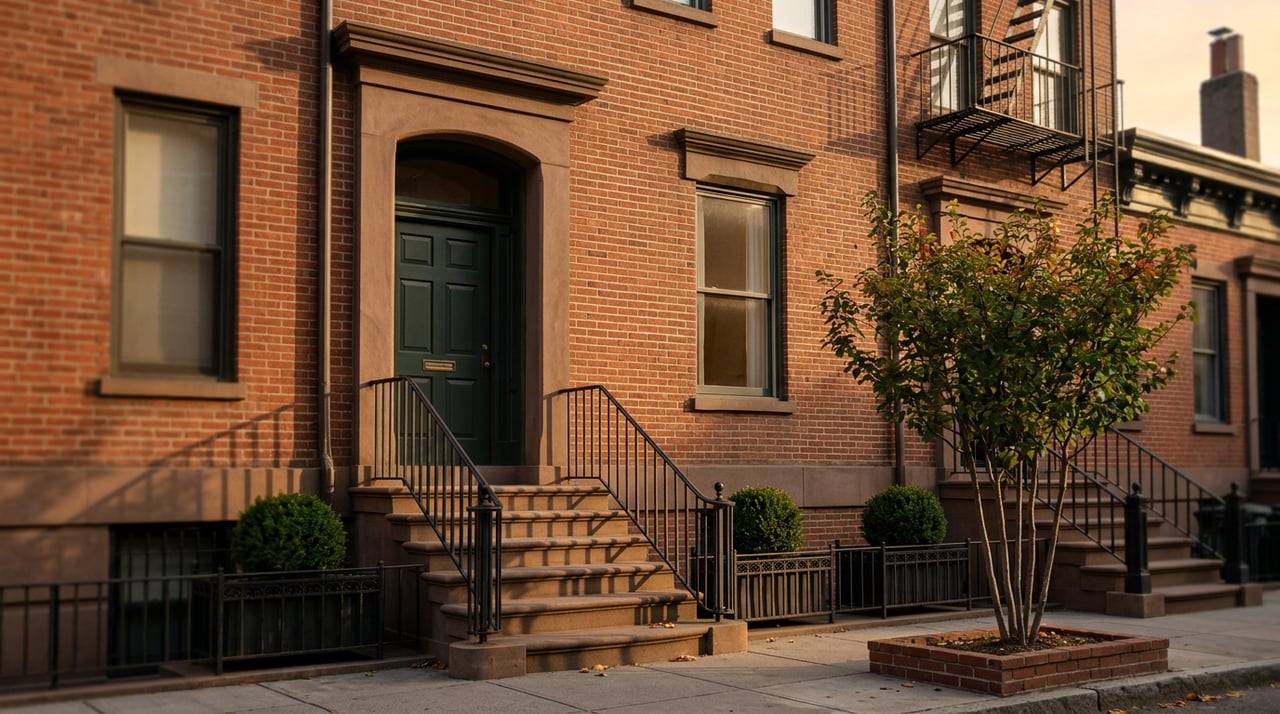
That rowhome presence shapes the feel of many blocks. You will find a more residential setting in the middle of Fairmount, with tree-lined streets and a quieter everyday rhythm than some denser nearby sections. If you want the classic Philadelphia experience, this is often a big part of the appeal.
Rowhomes Lead the Market
In a recent Fairmount inventory snapshot, there were 48 townhouses and 11 condos available. That does not mean condos are absent, but it does show where the center of gravity is. Buyers looking for attached single-family living will usually see more options here than buyers focused only on condo buildings.
This can be useful if your wish list includes features often associated with rowhomes, such as multiple floors, more interior separation, or a traditional city-street setting. Inventory changes over time, but the current mix supports the idea that Fairmount remains more rowhome-centered than condo-centered.
Housing Mix Near Art Museum
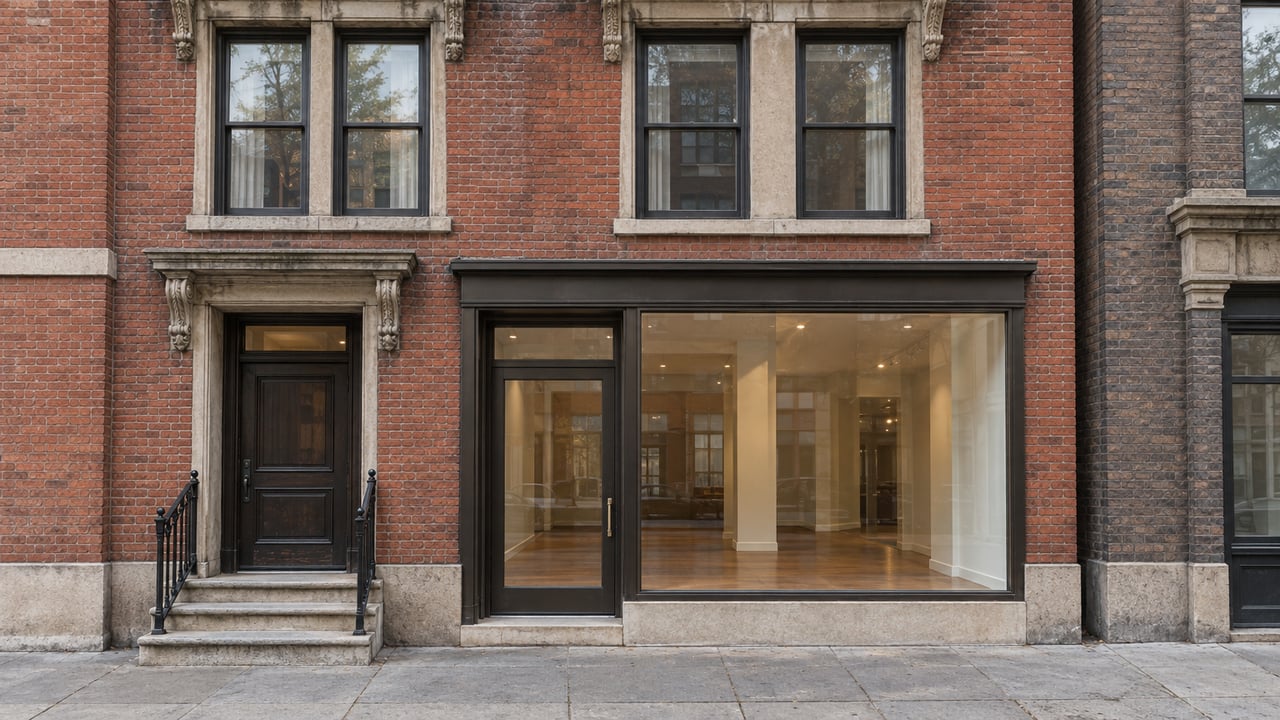
As you move closer to Spring Garden, the Parkway, and Logan Square, the housing mix tends to get denser. This is where condo and apartment-style options become more common. The broader Fairmount-Art Museum market shows a much stronger condo presence than Fairmount alone.
That shift can matter a lot depending on your goals. If you want lower-maintenance living, building amenities, or a location closer to the museum corridor, this broader area may offer more of what you are looking for. It can feel more connected to the Parkway and nearby institutions, while still giving you access to the neighborhood’s residential character.
Condos Become More Common
In the broader Fairmount-Art Museum area, a recent inventory snapshot showed 71 condos, 98 townhouses, and 10 multifamily properties for sale. That is a much more mixed housing menu than Fairmount alone. It suggests buyers have a better chance of finding condo inventory as they move toward the Parkway side.
Spring Garden also adds another architectural layer. Public neighborhood descriptions highlight Victorian architecture in the area between the Parkway and Fairmount, which can create a different visual and residential feel from block to block.
Fairmount Home Prices Today
Fairmount and the nearby Art Museum area sit above the citywide price baseline. Multiple public market snapshots use different methods, but they generally point in the same direction. This is a premium central Philadelphia market.
Redfin placed Fairmount’s April 2026 median sale price at $514,809, while the broader Fairmount-Art Museum area was $499,814. Realtor.com showed Fairmount at a $479,000 median sale price, with a median of 20 days on market. Over a similar period, Philadelphia citywide had a median sale price of $280,000 on Redfin.
What the Numbers Mean for Buyers
These figures are best used as directional, not absolute. Different platforms draw neighborhood lines differently, and the mix of homes sold can change the median quickly. Still, the bigger takeaway is clear: you should expect pricing here to run higher than the citywide average.
That makes preparation important. Before you tour homes, it helps to know whether your budget fits better with a smaller condo, a townhouse needing updates, or a larger renovated rowhome at a higher price point.
Condos as an Entry Point
For some buyers, condos may offer a more accessible path into this area. In the broader Fairmount-Art Museum condo market, Redfin reported a median listing price of $359,000. That is notably lower than the all-home-type median sale numbers for the area.
Of course, not every condo is a bargain. Building age, monthly fees, parking, finishes, and exact location can all affect value. But if you want to be in this part of Philadelphia and a renovated rowhome feels out of reach, condos are worth a close look.
Lifestyle and Daily Convenience
One of the strongest reasons buyers consider Fairmount and the Art Museum area is the day-to-day lifestyle. This part of the city combines residential streets with major cultural destinations, green space, and strong walkability. For many buyers, that mix is hard to beat.
Public neighborhood descriptions consistently highlight the area as bikeable and tree-lined. Local landmarks include Eastern State Penitentiary, the Philadelphia Museum of Art, Fairmount Water Works, Boathouse Row, and the Schuylkill River Trail. Fairmount Park adds even more outdoor access, with 2,050 acres, more than 50 miles of designated trails, 18 historic buildings, and 43 sculptures.
Museum Access and Parkway Living
If you are drawn to the Parkway side, the cultural concentration becomes even stronger. Nearby destinations include the Barnes Foundation, Rodin Museum, Calder Gardens, the Franklin Institute, and the Philadelphia Museum of Art. The museum itself is described as one of the largest art museums in the country, with more than 240,000 works spanning 2,000 years.
For buyers who want a home base near major public spaces and institutions, this is a real advantage. It is not just about weekend outings. It can shape how you use the neighborhood every day, from walks and bike rides to museum visits and commuting.
Transit and Parking Tradeoffs
Transit is another major plus in this market. SEPTA identifies Broad Street Line stops at Fairmount, Spring Garden, and Girard, along with multiple bus routes serving the broader museum district. The Parkway is also described as an easy walk from Suburban Station and nearby transit connections.
Walkability is strong as well. Redfin rates Fairmount-Art Museum as having a Walk Score of 91, which supports what many buyers already expect from a central-city neighborhood. If you prefer to handle more daily errands on foot, this area checks that box.
Parking Requires Realistic Expectations
Parking can still be a tradeoff. Public neighborhood guides note that parking is a bit difficult in Fairmount, which is common in dense, desirable city neighborhoods. If parking matters to you, it is worth evaluating each home and block with that in mind rather than assuming the neighborhood will feel the same everywhere.
That is especially true when comparing a rowhome on a quieter interior street with a condo closer to the Parkway. The convenience profile can change meaningfully from one property to the next.
How to Choose the Right Fit
The best fit depends on how you want to live. If you are looking for classic rowhome streets, a quieter residential feel, and easy access to Fairmount Park, the middle of Fairmount may line up best with your goals. If you want more condo options, stronger museum adjacency, and a denser amenity set tied to the Parkway, the Art Museum and Logan Square edge may offer more choices.
This is where local, block-by-block analysis matters most. Because public sources use Fairmount, Fairmount-Art Museum, and Art Museum Area somewhat interchangeably, broad market stats only tell part of the story. The exact street, building type, and nearby corridor can shape your experience just as much as the neighborhood label.
Why Block-by-Block Matters
Two homes with similar square footage can feel very different depending on where they sit within this broader area. One may offer a more residential rowhome setting, while another places you closer to transit, museums, and denser condo inventory. Even within the same search area, your lifestyle match can vary quickly.
That is why serious buyers should evaluate homes in context. Look at the block, nearby transit access, housing type, and how the immediate surroundings align with your routine. In a micro-market like this one, the details matter.
If you are weighing Fairmount versus the Art Museum side, a neighborhood-first strategy can save you time and help you focus on homes that truly fit your priorities. If you want a clear read on the local market and honest guidance on which blocks and property types best match your budget, Frank Genzano can help you navigate the search with a calm, data-informed approach.
FAQs
What is the difference between Fairmount and the Art Museum area in Philadelphia?
- Fairmount and the Art Museum area are commonly treated as overlapping parts of the same central Philadelphia market, but the labels are not always used with exact boundaries, so the specific block matters.
What types of homes are common in Fairmount Philadelphia?
- Fairmount is more rowhome-centered, with current inventory snapshots showing many more townhouses than condos within Fairmount itself.
Are there more condos near the Philadelphia Museum of Art?
- Yes, condo options become more common as you move toward Spring Garden, the Parkway, and the broader Fairmount-Art Museum area.
How expensive is Fairmount for homebuyers?
- Public market snapshots place Fairmount and the broader Fairmount-Art Museum area well above Philadelphia’s citywide median sale price, making it a premium central-city market.
Can a condo be a lower-cost way into Fairmount or Art Museum?
- In many cases, yes. The broader Fairmount-Art Museum condo market showed a median listing price of $359,000, which may provide a lower entry point than many rowhomes or townhouses.
Is Fairmount walkable for daily life in Philadelphia?
- Yes. The broader Fairmount-Art Museum area has a Walk Score of 91, and the neighborhood is widely described as bikeable and transit-accessible.
What should buyers know about parking in Fairmount?
- Parking can be difficult, so it is smart to evaluate each property and block individually if parking is important to your day-to-day routine.
Is Fairmount a good fit for buyers who want parks and museums nearby?
- Fairmount and the nearby Art Museum area offer strong access to Fairmount Park, the Schuylkill River Trail, and major cultural destinations along the Parkway.